Jan 8, 2026
Montevideo surprised us with its immediate sweetness, especially knowing that there are 3.5 million inhabitants in the country, including 1.3 million in the capital. A warmth that is present but never overwhelming, thanks to the tree-lined streets and the nearby ocean. The city naturally invites walking, without stress or haste.
It is quickly felt that the cost of living is higher than elsewhere in South America, with prices close to or even exceeding those in Europe, but this is accompanied by real comfort, smooth organization, and especially a very warm human connection.
Montevideo is not a city that impresses with its excess. It seduces with its balance.
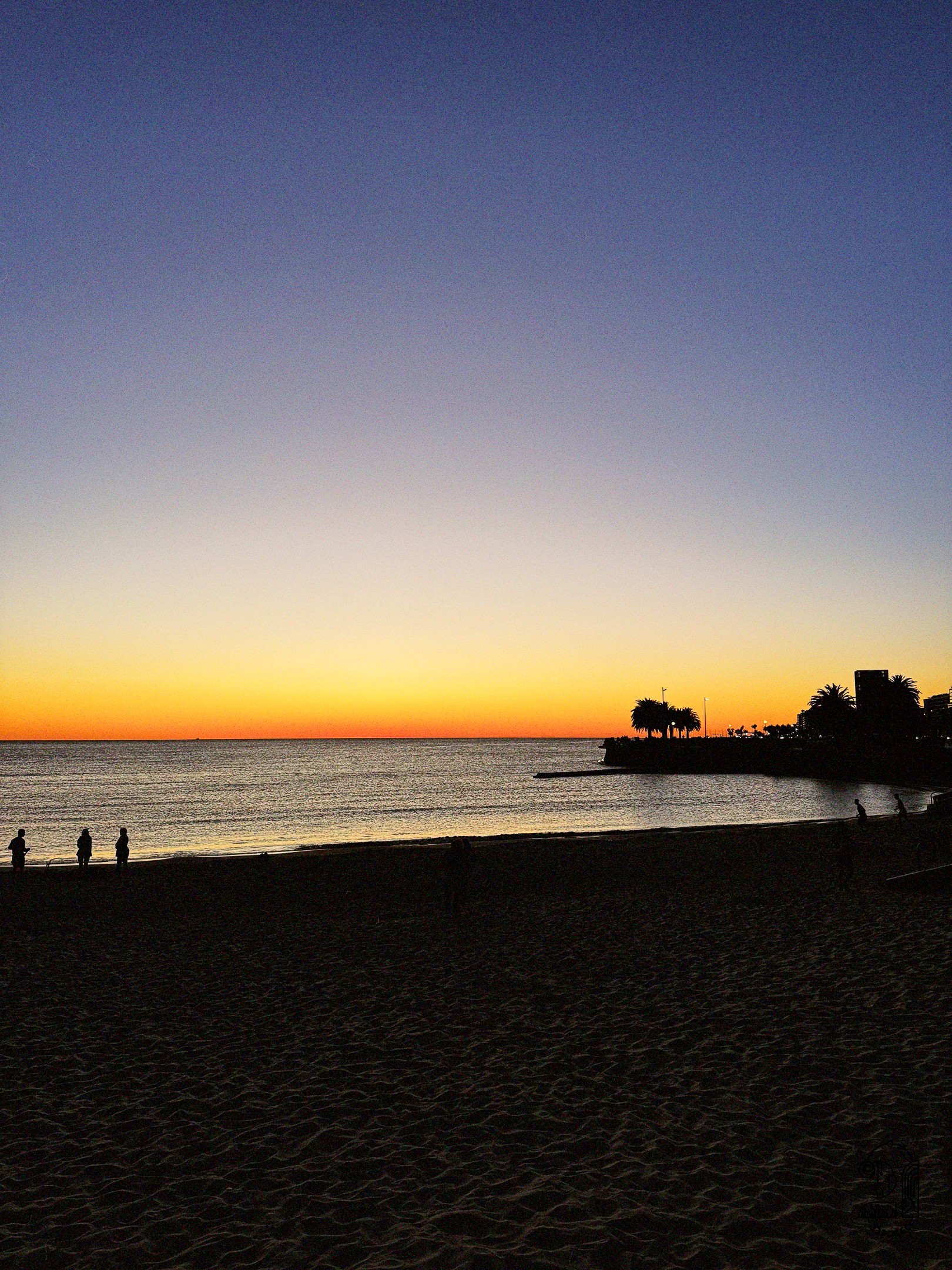
Walking along the ocean, from sunrise to sunset
One of the great pleasures in Montevideo is the walk along the waterfront. From Playa Ramírez to the Aduana neighborhood, the promenade runs along the ocean for several kilometers. The walk takes about forty minutes, with no particular difficulty.
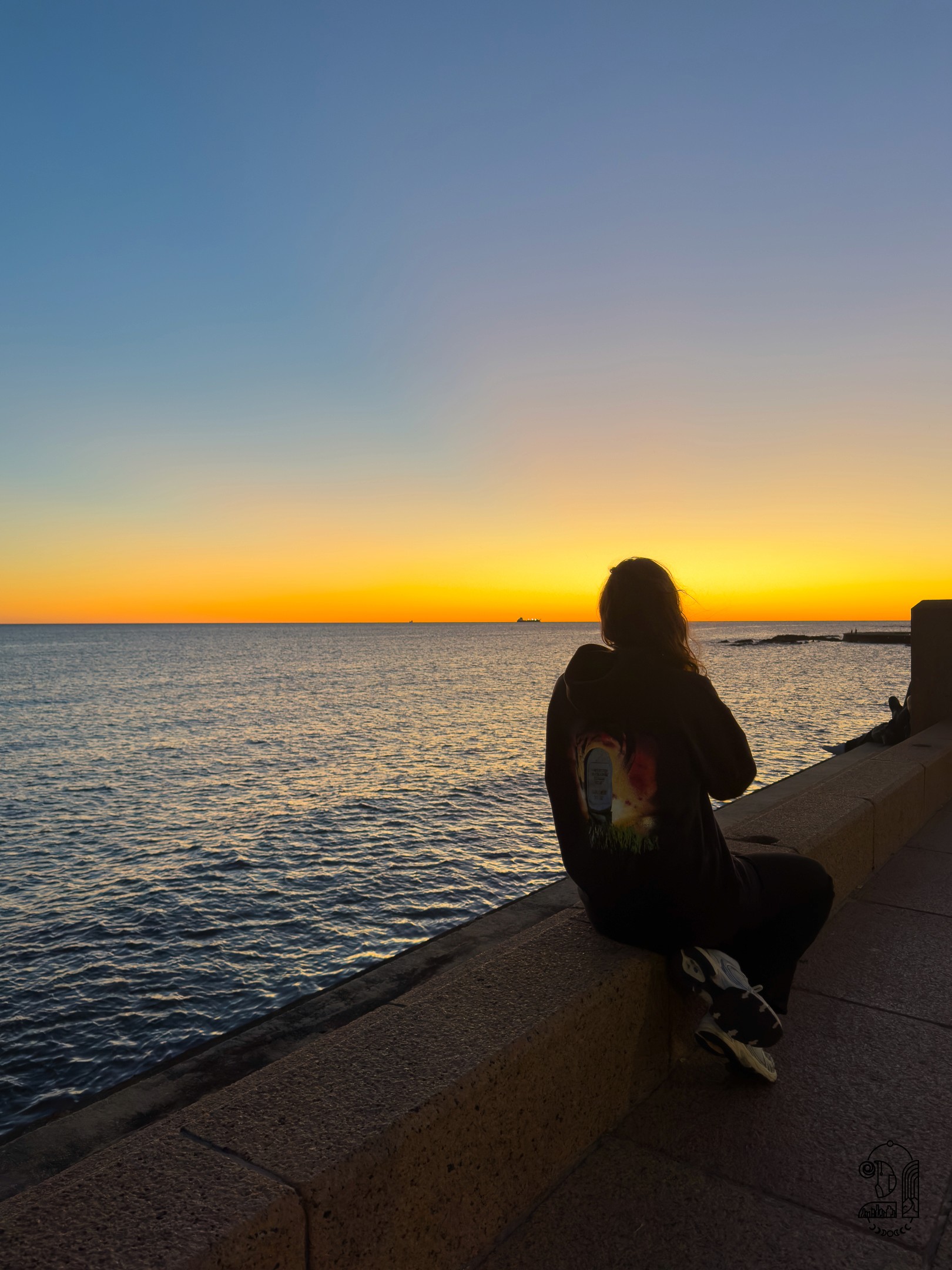
By day and by night, the atmosphere is calm, reassuring, and vibrant, with joggers, families, fishermen, and groups of friends.
Upon arriving in the old town, around Aduana, one discovers a neighborhood rich in restaurants, museums, and small streets ideal for extending the walk.
The Must-Visit Museums of the Historic Center
In the old town center, several museums stand out for their originality and content.
Museum El Juguetero
https://maps.app.goo.gl/2KEpZC6kBgyR1VXi7
An amazing, intimate, and very personal museum. It showcases an impressive collection of antique toys from around the world. Each piece tells a story of a time, a culture, and a way of growing up. This place touches both adults and children, through the nostalgia it evokes and the finesse of its presentation.
Palacio Taranco
https://maps.app.goo.gl/1jZvAF1JhaZt3xxt5
The former aristocratic residence transformed into a museum, the Palacio Taranco immerses visitors in the history of the Uruguayan high society of the early 20th century. Period furniture, elegant salons, and refined architecture help to understand the European influence on Montevideo during this period.
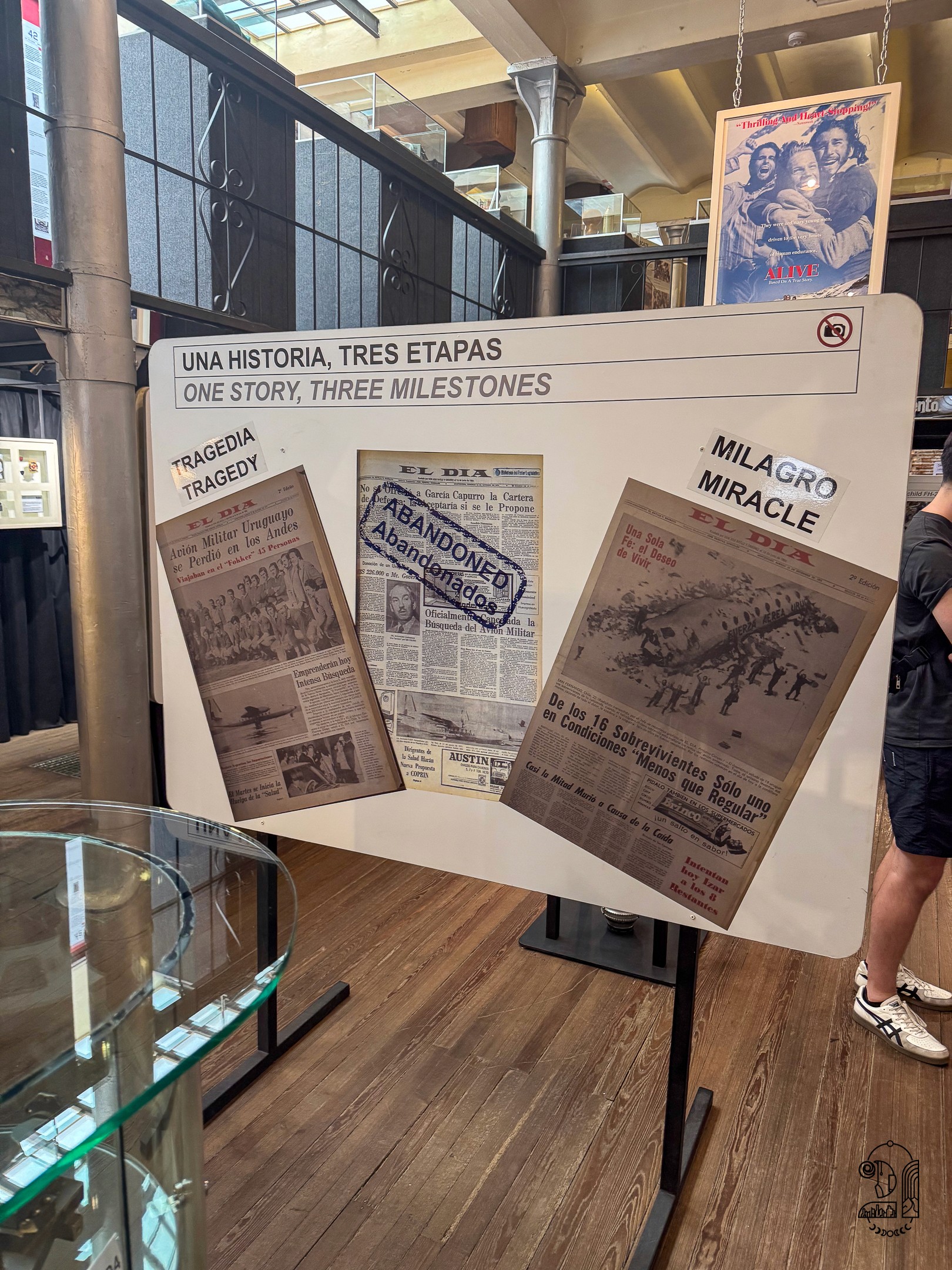
Museo Andes 1972
This museum is undoubtedly one of the most remarkable in the city. It traces the history of the crash of a Uruguayan plane in the Andes mountain range and the extraordinary survival of its passengers.
The visit is immersive, notably thanks to sensory devices that allow visitors to feel the extreme cold in which the survivors lived for several weeks. Testimonies, recovered objects, and personal stories make the experience profoundly human and moving.
Museo del Gaucho and Currency
https://maps.app.goo.gl/Lkj6qZioC2Az9rKq7
This museum highlights two pillars of Uruguayan identity. On one side, the figure of the gaucho, a symbol of rural culture and the country’s history. On the other, the monetary evolution of Uruguay through a collection of banknotes and coins. The whole is housed in an elegant building, often overlooked by visitors.
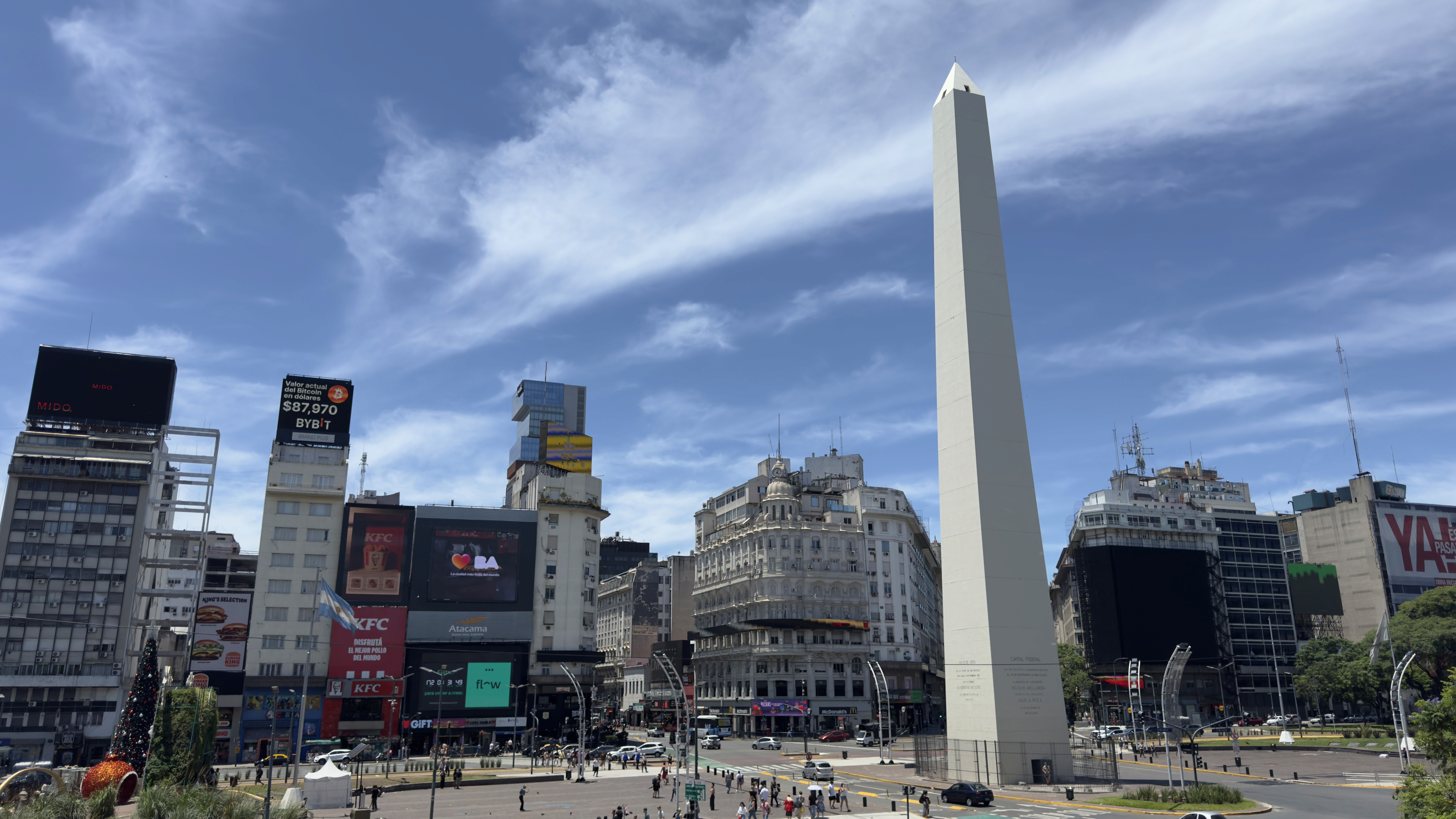
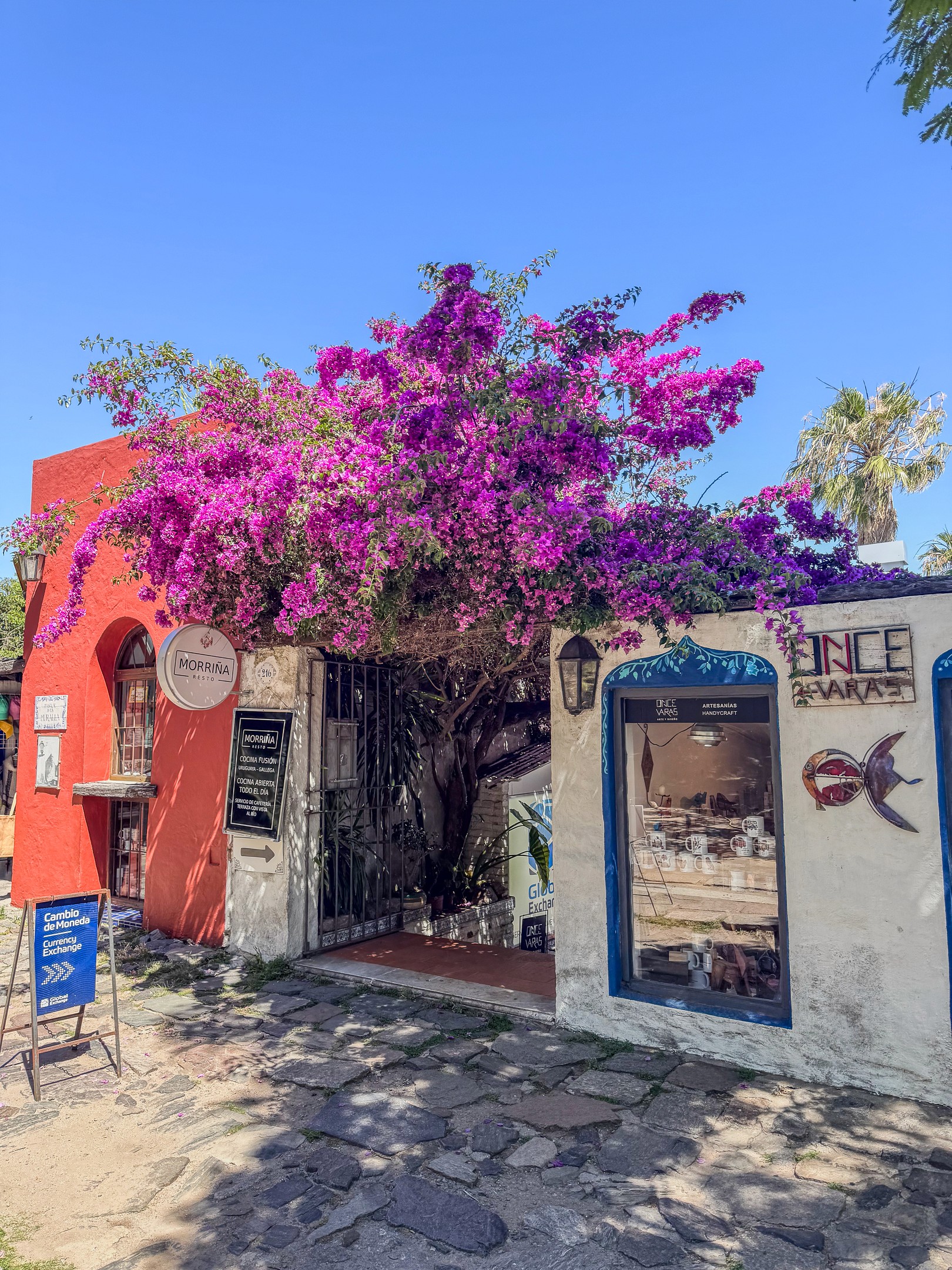
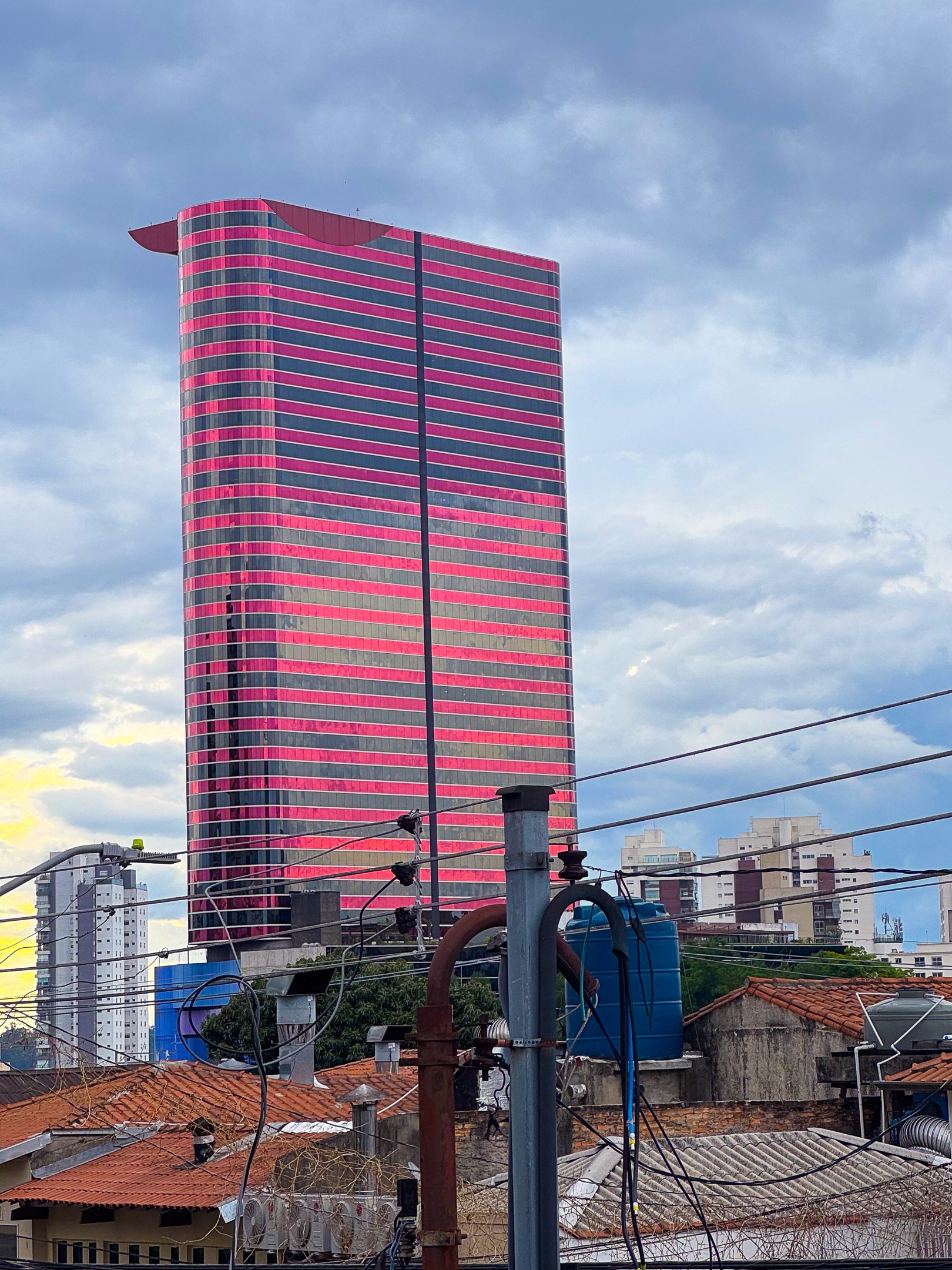
Montevideo in pictures
Independence Square and Historical Heart
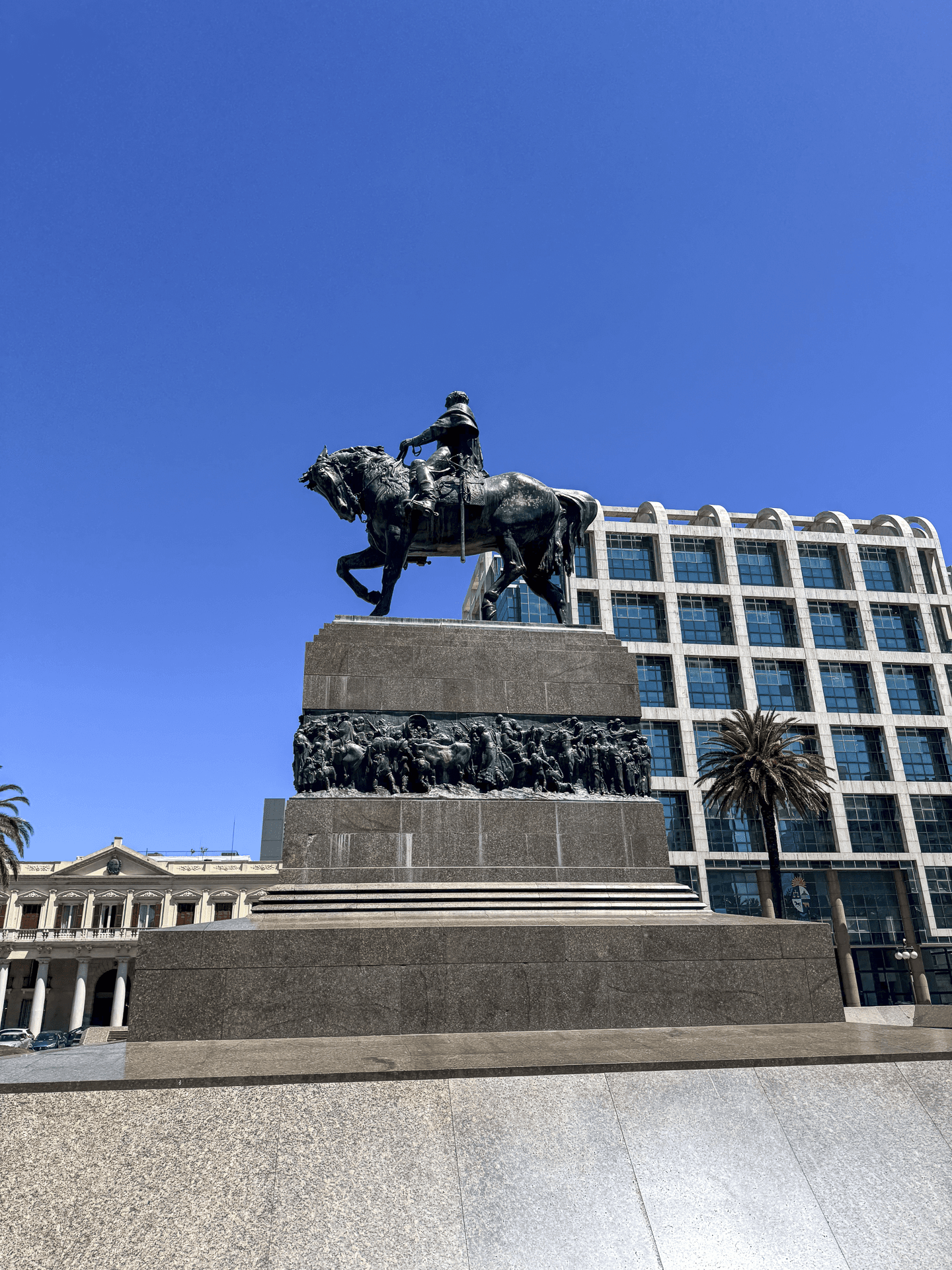
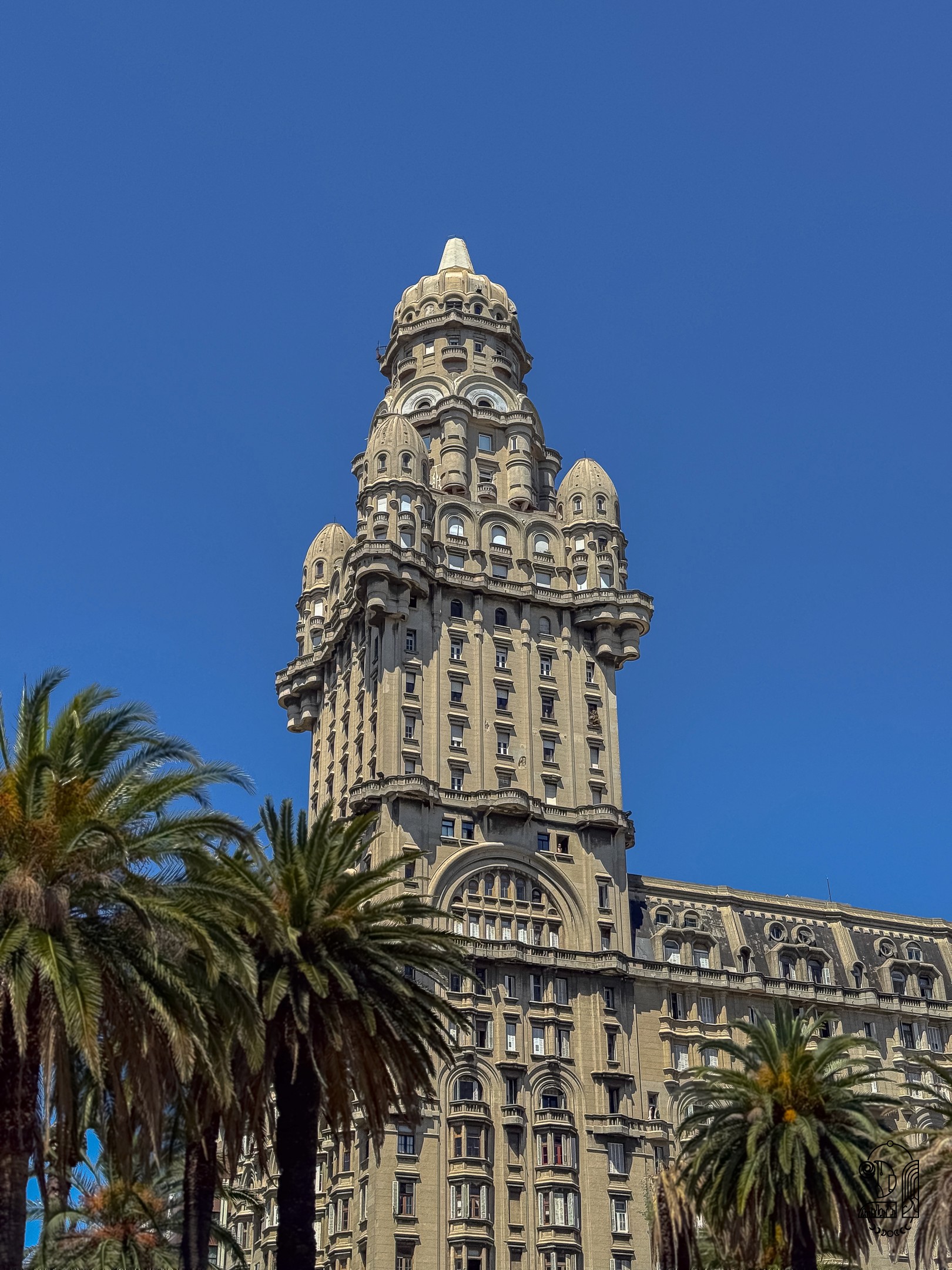
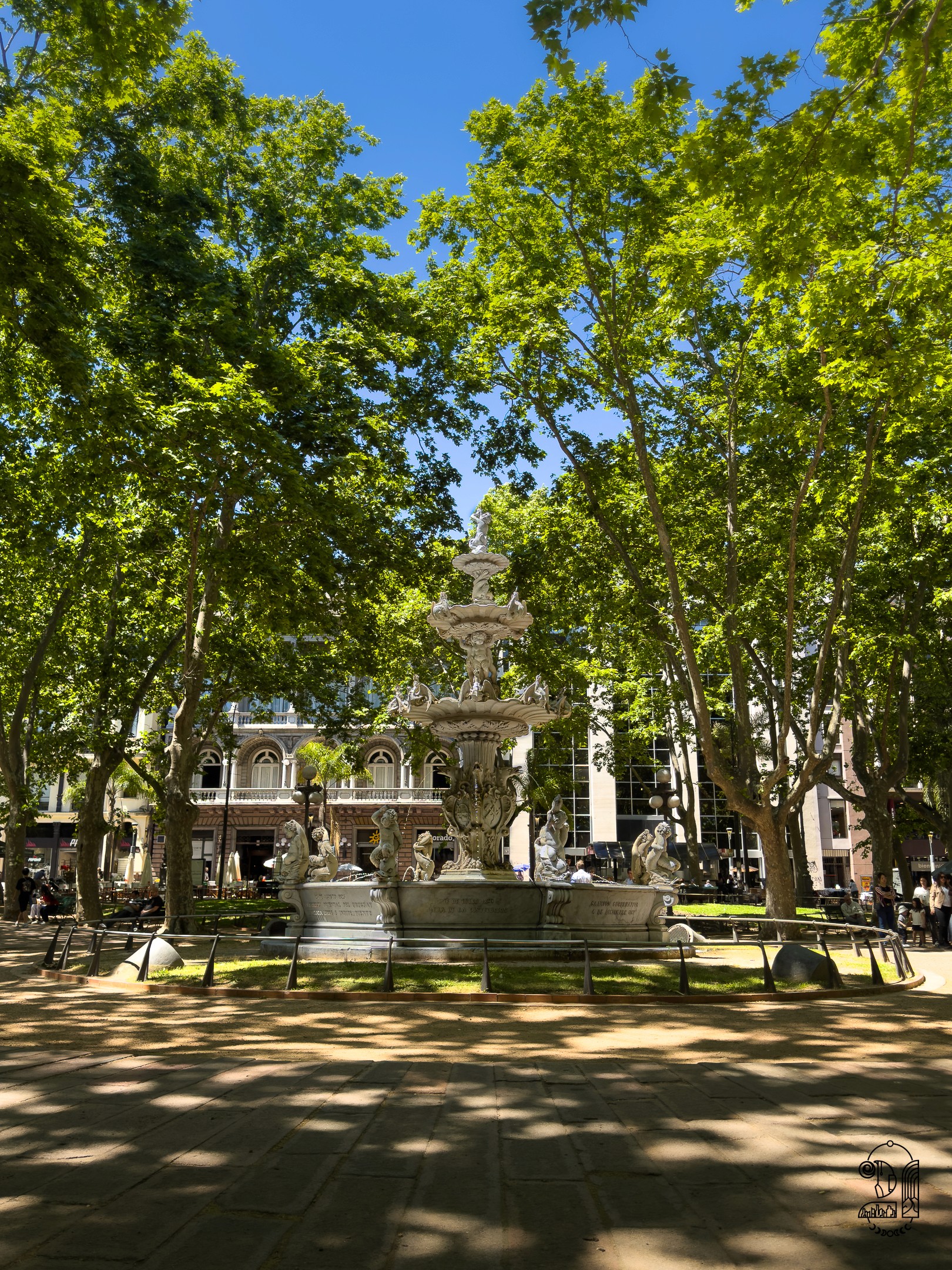
After the museums, the stroll naturally continues towards Plaza Independencia. There, one discovers the Palacio Salvo, an iconic building of the city, recognizable by its imposing silhouette.
Nearby, the tango museum and several historical buildings remind us of Montevideo's cultural significance in the history of the Río de la Plata.
Continuing along Avenida 18 de Julio, the main artery of the city, one reaches the Mirador Panorámico de la Intendencia de Montevideo.
https://maps.app.goo.gl/3JJtu8DATDszsTS49
From this viewpoint, the city reveals itself as a whole, between ocean, residential neighborhoods, and the urban center.
Parks, art and residential neighborhoods
For a second greener day, head to the Rodó Park.
https://maps.app.goo.gl/bv4Z9cDsdbLkpUd26
This park is ideal for relaxing, walking, and observing local life. It houses the National Museum of Visual Arts, which has been showcasing major works by Uruguayan artists since 1911, as well as an outdoor sculpture park.
Continuing east, we discover the neighborhood of Pocitos. More residential, it is distinguished by its beautiful houses and its beach sheltered from the wind. The atmosphere is peaceful, perfect for a stroll without a specific goal.
Where to eat in Montevideo, our good addresses
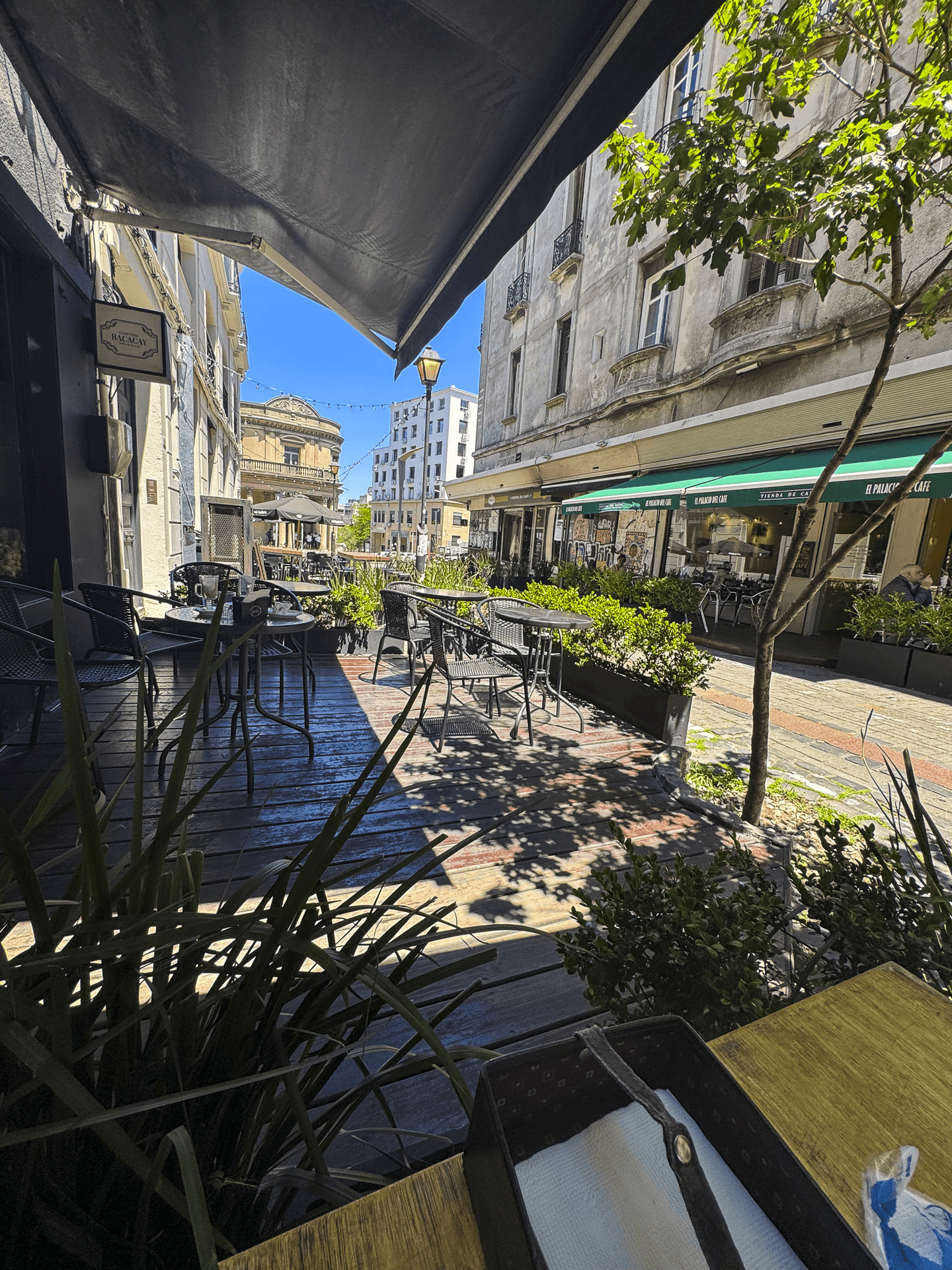
Guided by local recommendations, we discovered several restaurants that we highly recommend.
In the old town
La Fonda
Reinvented Uruguayan cuisine, ideal for a lunch on the terrace.Restaurant Estrecho
Quality Thai address. The prices are slightly higher, but the dishes are excellent.
Towards Parque Rodó
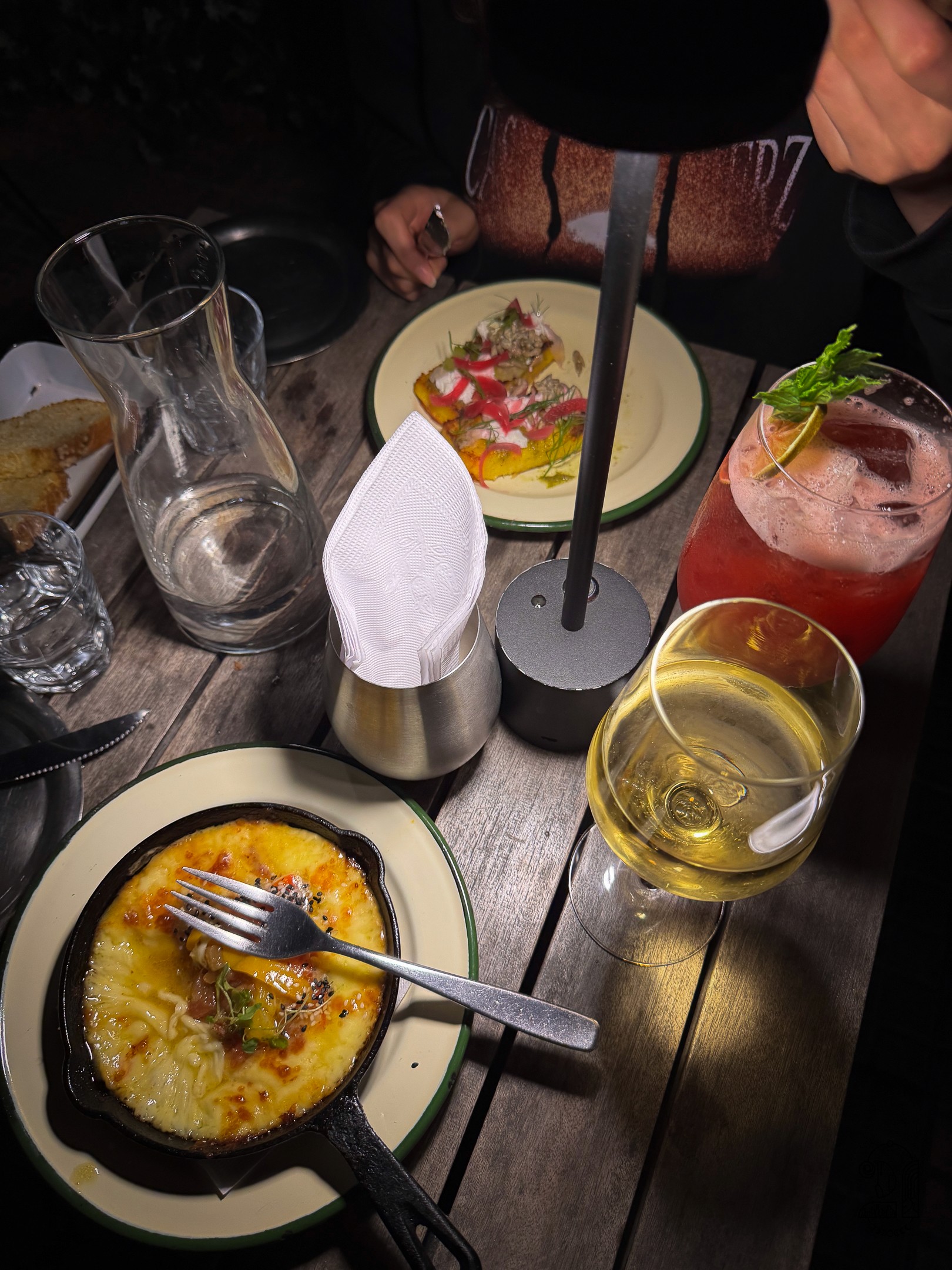
Oriundo
Our favorite. Tucked away in an alley with a charming backyard, this restaurant offers creative and surprising dishes. A truly beautiful experience.Casa Pastora
Perfect for having a drink in a warm place or dining in a lively atmosphere.Once Catorce
Specializing in grilling. Recommended by a local, the meat is prepared with care. The prices are higher, but the quality is there.
A human-sized capital
Montevideo is a discreet capital, built between colonial heritage, European influences, and a strong local culture. Once a strategic port, the city has long been a meeting point between Europe and South America.
Today, this history is felt in its architecture, its relationship with space, and its pace of life.
For a few days, Montevideo is ideal. Everything is concentrated in the south, between the old town and Punta Carretas. Getting around is simple, walking is pleasant, and the general atmosphere inspires trust, while remaining cautious at night as in any major city.
A calming, sincere city, and perfect for slowing down the travel pace before continuing the journey.