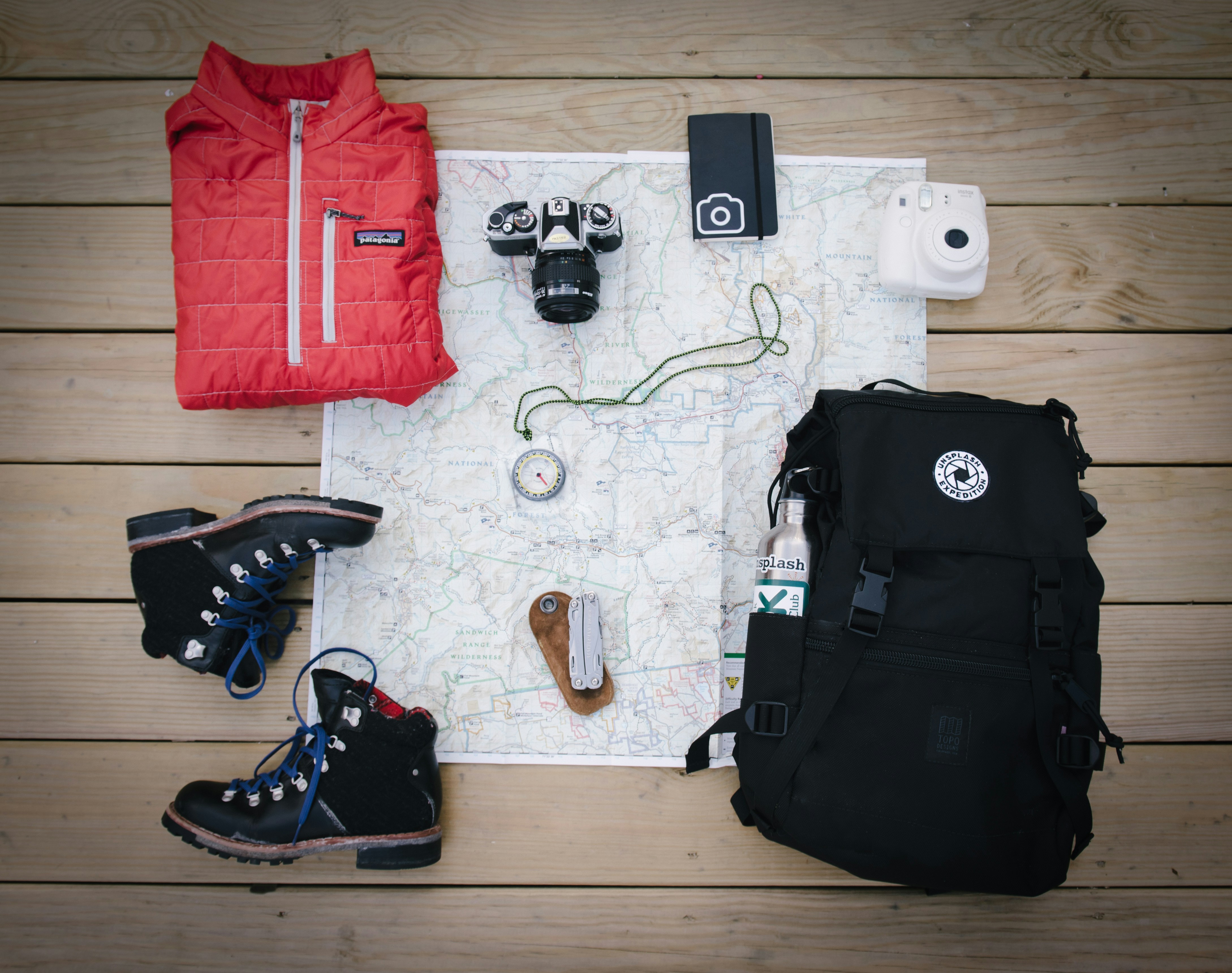


The departure with good travel insurance!
In our eyes, travel insurance is essential. It represents valuable security for any traveler, whether for a simple city trip in Europe or a long journey of several months around the world.
Without insurance, the slightest unforeseen event can cost a fortune: hospitalization abroad, medical consultation, loss of luggage, theft or flight cancellation... These unexpected expenses can quickly add up to thousands of euros. Good insurance offers you peace of mind, assistance, and coverage tailored to your needs.
Several factors to consider in order to adapt your travel insurance
It is good to know that many banks already include travel insurance in their contracts (especially with high-end cards like Visa Premier or Mastercard Gold). However, the maximum coverage period is only 90 days, sometimes less. So for a trip that is meant to last longer, you will need to take out additional insurance!
Traveling in Europe: the EHIC and banking coverage
If you are a European citizen and you are staying in the European Union:
Request the European Health Insurance Card (EHIC) at least 15 days before your departure.
This card certifies your rights to French health insurance and allows coverage for urgent medical care in the country of stay, according to its local legislation.
As mentioned in the introduction, many banks already include travel insurance in their contracts (especially with high-end cards like Visa Premier or Mastercard Gold). It is generally valid for trips of less than 90 days.
To benefit from it, you often just need to pay for the trip with the associated card.
Contact your bank to check the exact guarantees (health, cancellation, civil liability, repatriation assistance).
Traveling outside the European Union: specific mandatory insurance
Which insurance to choose?
During our research, two insurers stood out particularly for their reputation among travelers:
ACS – Travel insurance: often more advantageous for young people and small budgets.

Recommended for short stays, controlled budgets, and travel in Europe.
Advantages
Attractive price : particularly interesting if you are traveling on a small budget.
Simple and effective for Europe : coverage in case of hospitalization, assistance, and repatriation is well suited for stays in the European zone.
Good overall reputation : many positive reviews on Trustpilot highlighting responsiveness and standard case management.
Suitable for young travelers and short stays : a logical option for those going away for a few weeks, particularly in Europe.
In short: if you go to Europe for a short trip, ACS provides you with solid coverage without unnecessary extra costs.
Disadvantages
Limited coverage outside of Europe: even though some guarantees work internationally, they are often less comprehensive than insurance designed for long stays outside of Europe.
Less suitable for prolonged trips: if you plan to stay abroad for a long time (South America, Asia, Oceania), you may quickly find yourself limited in your coverage.
Generally short contract duration: designed for trips of a few days to a few weeks, not necessarily for several months.
In summary: ACS does well what it is designed for when the trip is short and/or in Europe. For longer or itinerant journeys outside Europe, you may be limited in certain aspects of coverage or assistance.
Traveler Reviews :
Chapka: the most chosen insurance by long-term travelers, thanks to a good coverage/price ratio.

Designed for long-duration, itinerant travel outside of Europe (e.g., South America)
Advantages
Excellent coverage for long stays (+ of a few weeks) : the guarantees are designed for trips that last several months.
Very suitable outside Europe : particularly for South America, Asia, or Oceania, where healthcare can sometimes be more complex or expensive.
Good level of health guarantees, assistance, repatriation, and sports activities : often broader than what is offered by “short-term” insurances.
Large community of long-term travelers who have chosen it : over 3000 reviews on Trustpilot indicate a generally positive experience over time.
In practice: if you are leaving for several months, regardless of the continent, Chapka provides a more robust coverage, designed for the frequent unexpected events on the road.
Disadvantages
More expensive than ACS for short stays: you pay for a “long-term insurance,” even if your stay is brief.
May be too comprehensive if you are only staying a few weeks in Europe: some guarantees and options only become useful in more extensive contexts.
Complexity of the formulas: with more guarantees sometimes comes a longer reading of the conditions to fully understand all the limits.
In summary: Chapka is often the most relevant choice for long trips outside of Europe, including in South America. If you are traveling for a shorter period or only in Europe, the investment may be higher than necessary.
Traveler Reviews :
These two insurers cover the majority of needs. For extreme sports (diving, climbing, etc.), it is sometimes necessary to purchase a specific warranty extension.
Insurance is essential, but it's better not to have to use it!
Our advice is to have a complete first aid kit appropriate for preparation. You can create your own or opt for pre-filled models:
Decathlon first aid kit (47 pieces)
EVNC-Secours hiking kit
Ecomed Securimed kit
Subscribing to travel insurance is not an unnecessary expense, but a real investment for traveling safely. It protects your health, your belongings, and your peace of mind.
In Europe as well as outside the EU, make sure to choose coverage that is suitable for the duration, the planned activities, and your personal needs.
Do you want to continue to learn about the best way to prepare for your trip?
We offer you three other articles related to preparing for a long trip. You know that you need to equip yourself properly for a journey of such duration, but you must also plan the administrative aspects, take care of your health, and anticipate potential problems. After all, it is better to be prepared for everything to fully enjoy your trip!