After Mendoza, we logically continue to head south. Not yet Patagonia, not yet Bariloche, but a stopover that allows us to progress without burning the kilometers too quickly. San Rafael emerges quite naturally on the map.
Located a little further south, the city is mainly known for what is around it. Three major circuits accessible by car, all doable in half a day. This is exactly what we were looking for at that moment in the trip: to keep moving forward while taking the time to discover a region without multiplying nights on the road.
A calm arrival, too calm
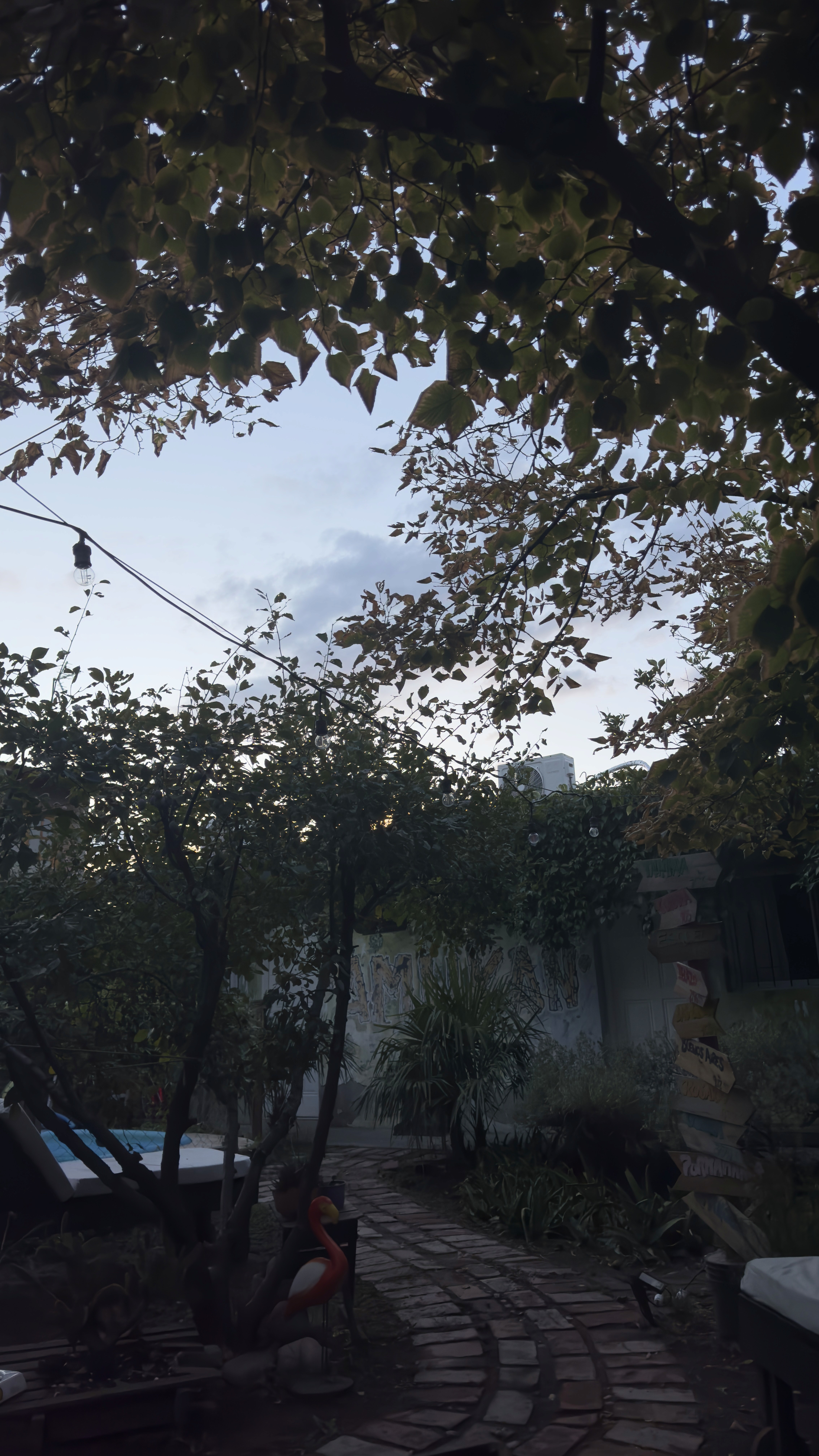
We arrive in San Rafael right in the middle of siesta time. We don’t know it yet, but here, it’s a true institution. The result: a nearly empty town, closed shops, a rather unsettling silence. At the moment, we wonder if we’ve arrived at a bad time.
In reality, the town simply functions differently. After lunch, everything stops. Then, after 6 PM, the streets fill up again, people come out, and San Rafael comes back to life as if nothing happened.
Settle in to explore the surroundings
We drop our bags in a simple and warm inn, well located. About twenty minutes on foot from the center, but above all on the perfect route to leave the city and easily join the roads that lead to the various circuits. At this stage of the journey, it’s exactly what we need: a convenient, well-placed spot, without complication.
It is from there that we organize our days, quite simply.
First day, heading to the canyon
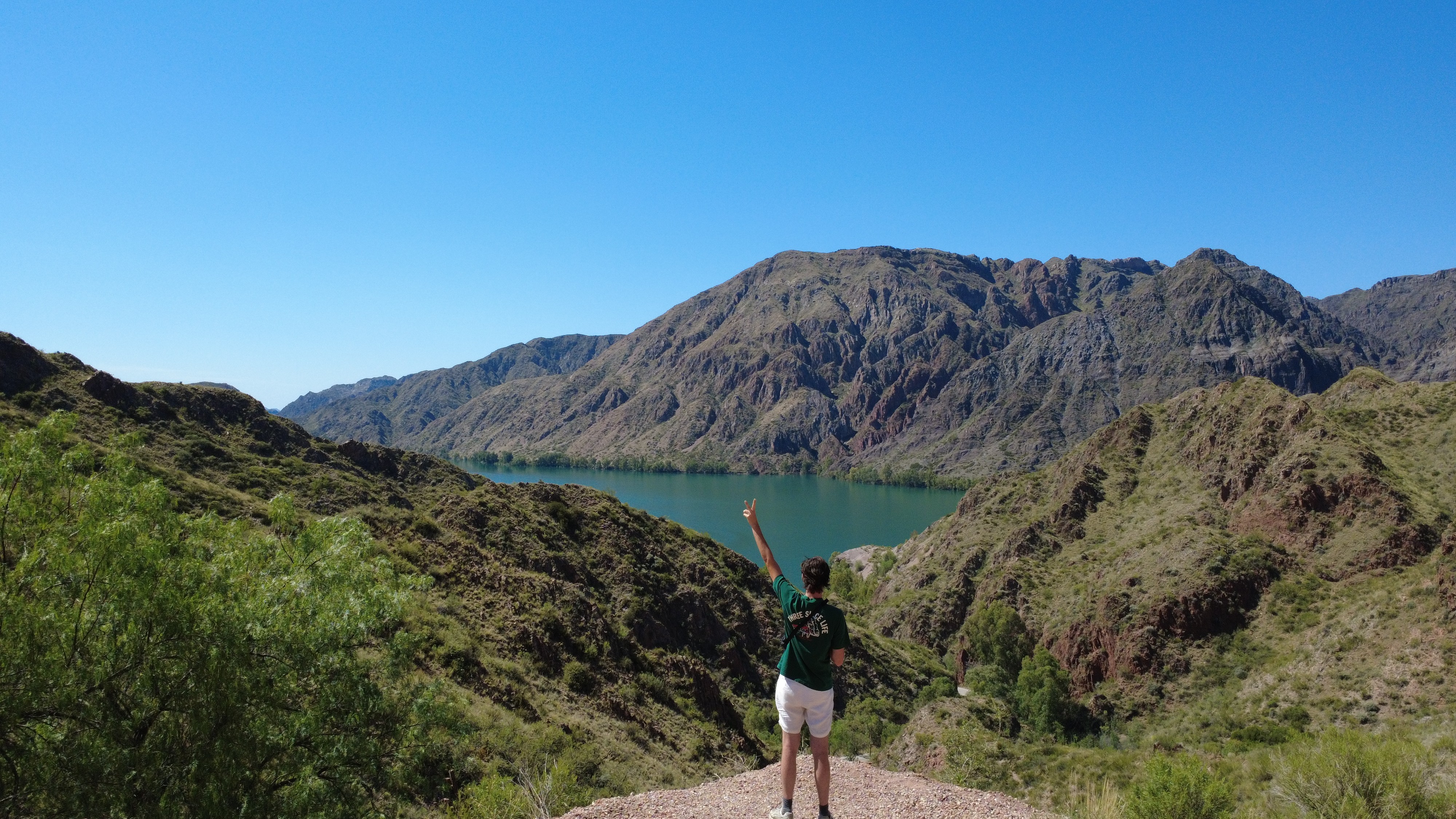
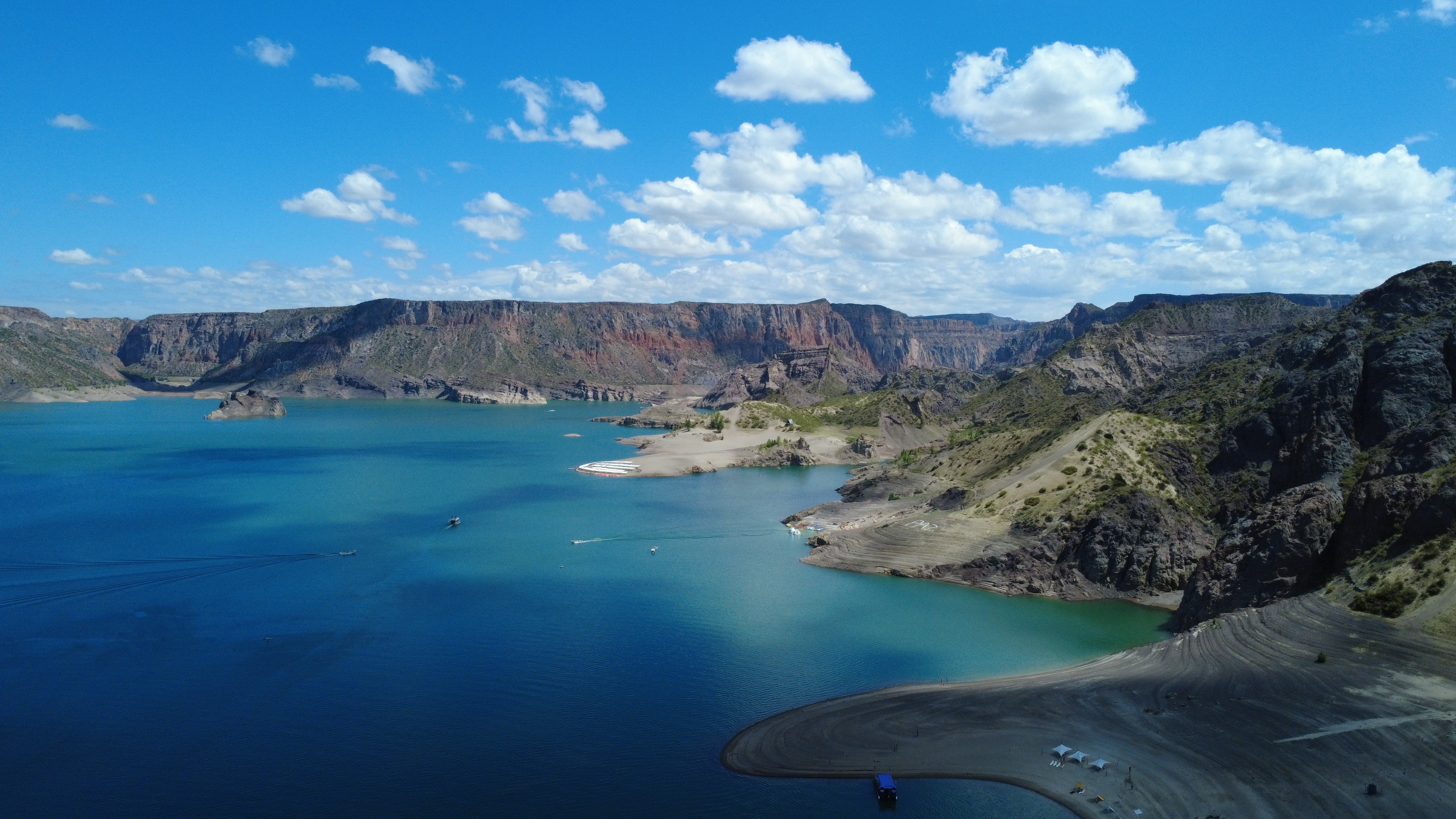
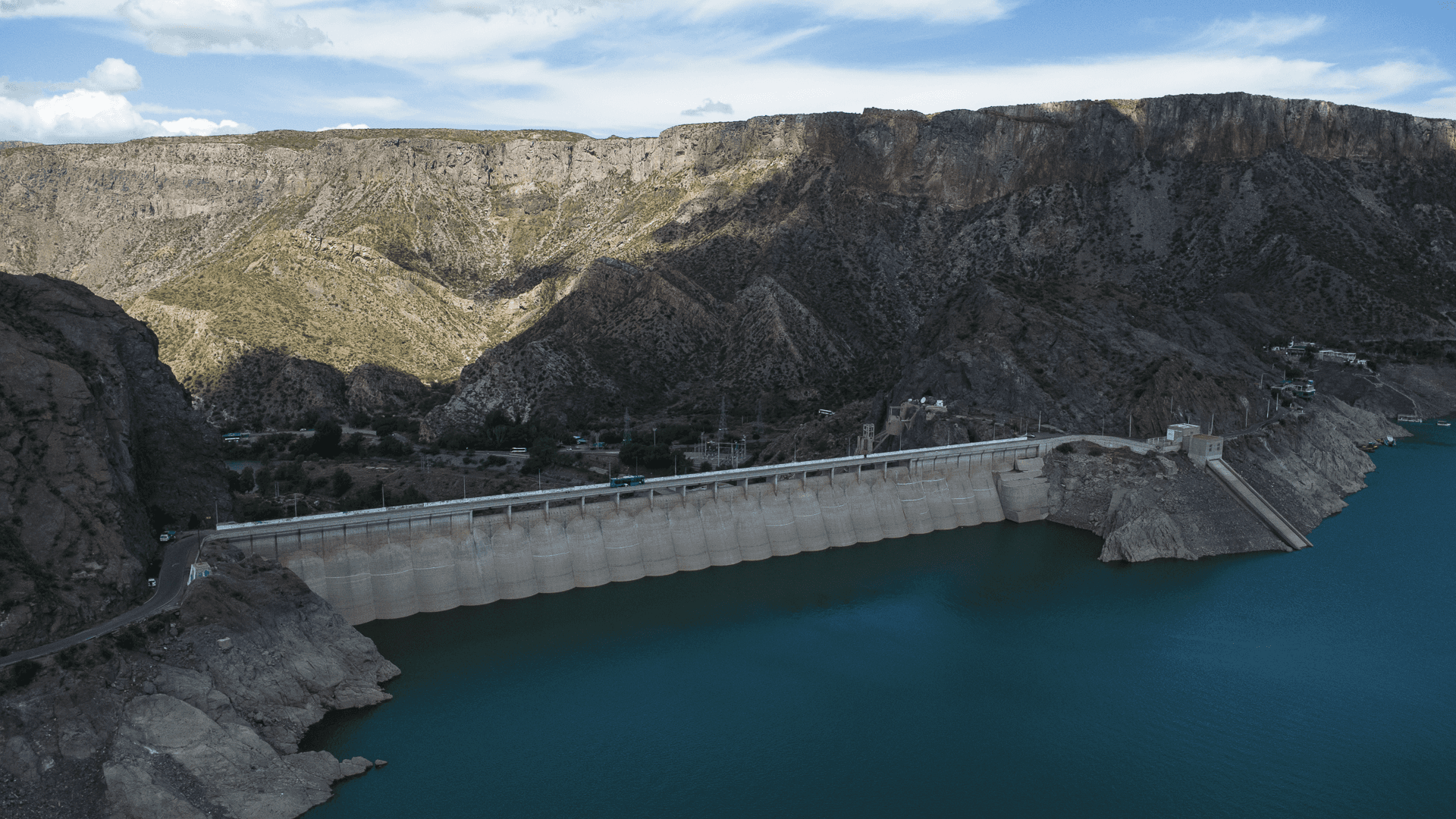
To begin, we head towards Valle Grande via route 173. Soon, the scenery changes. The road runs along the river, the landscapes become more pronounced, and we gradually arrive at the Cañón del Atuel. The rock formations follow one after the other, all different, making the journey as interesting as the destination.
You just need to remember to check the condition of the Valle Grande road, which can sometimes be closed. In this case, a detour allows you to recover the loop in the opposite direction without difficulty.
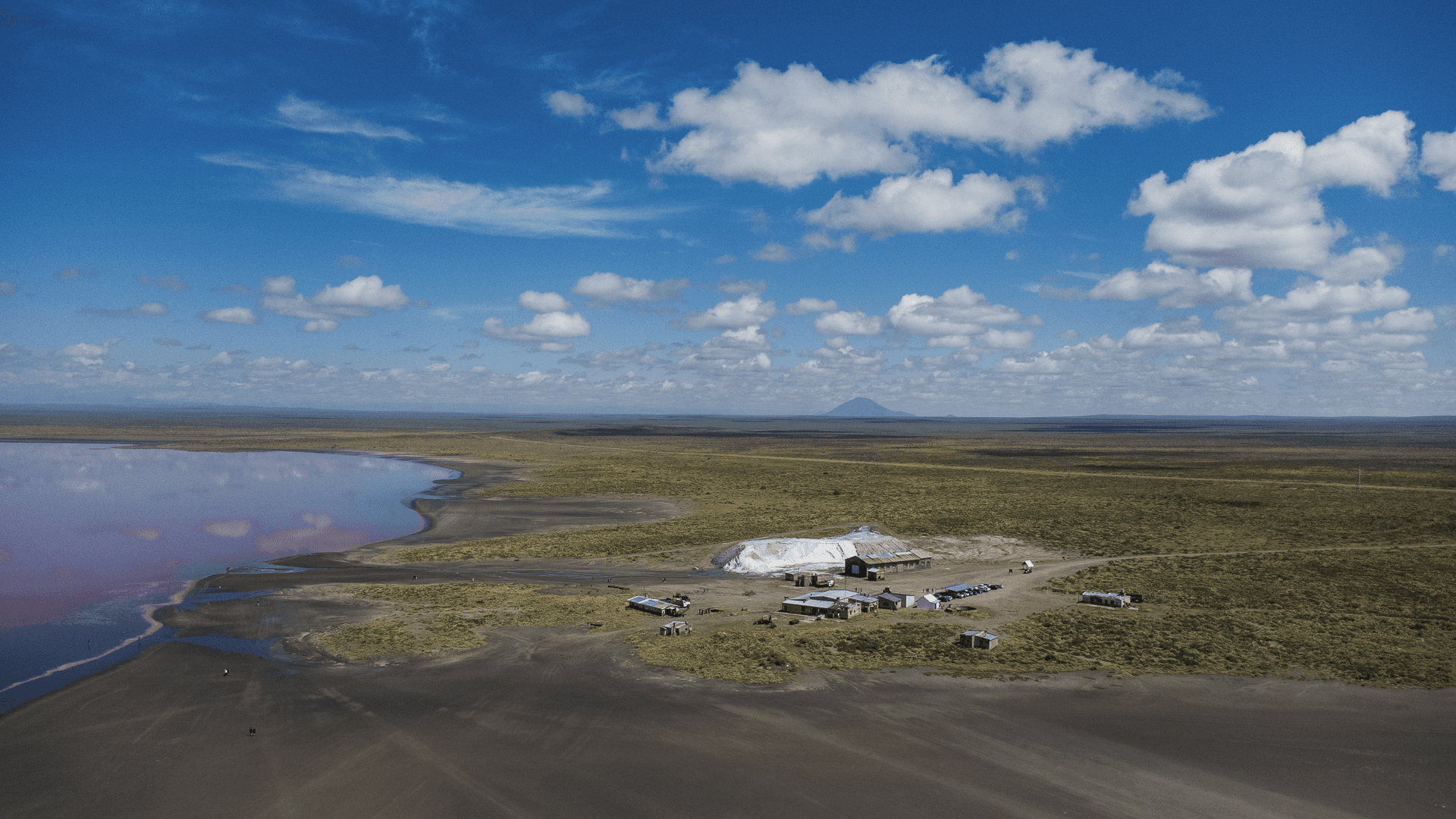
After El Nihuil, we head on to the Salinas del Diamante. The salt museum is small, but pleasant. It is not a must-see, but a nice break that fits well into the day.
On the way back, we stop for lunch by the river. Generous sandwiches, clearly made to be shared by two, and above all a very calm setting. A real break before heading back to the city.
Second day, the lakes around San Rafael
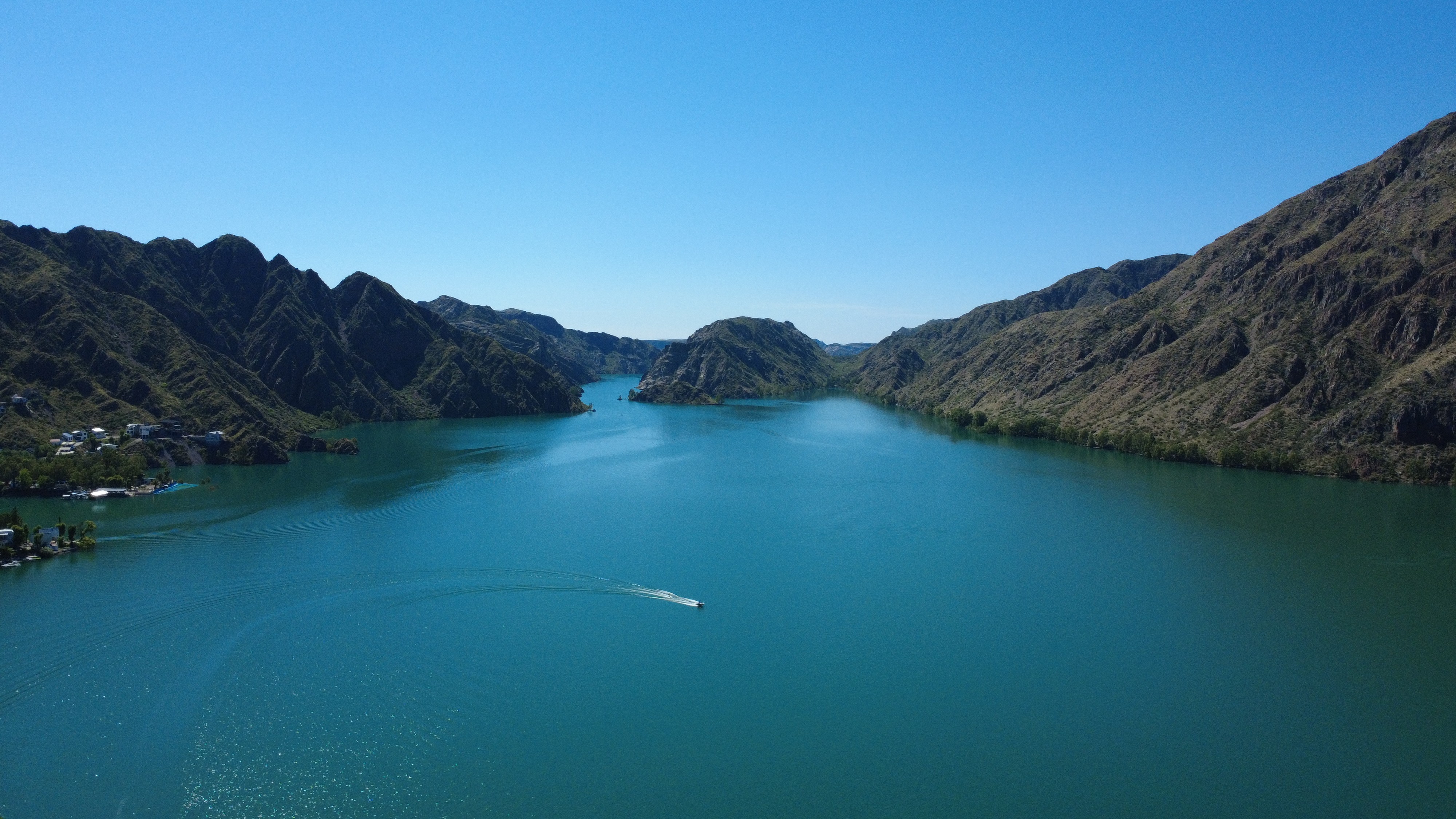
The next day, we set off for a second circuit, just as easy to do. Heading to Lake El Tigre, then Los Reyunos, passing through the town of 25 de Mayo. From the first viewpoint, the scenery is worth the detour. From the Mural Cerámico “Génesis de Paz,” the view of the lake is impressive.
Route 150 then allows you to follow the water for several kilometers. But at the end, after the Mirador Dama del Kayak, you arrive at a private area. The entrance is charged (10,000 pesos in January 2026) and above all, there is no other road.
With a regular rental car, there is really no point in going any further. So we turn around, without frustration. The loop is already more than sufficient.
We sure do love to eat!
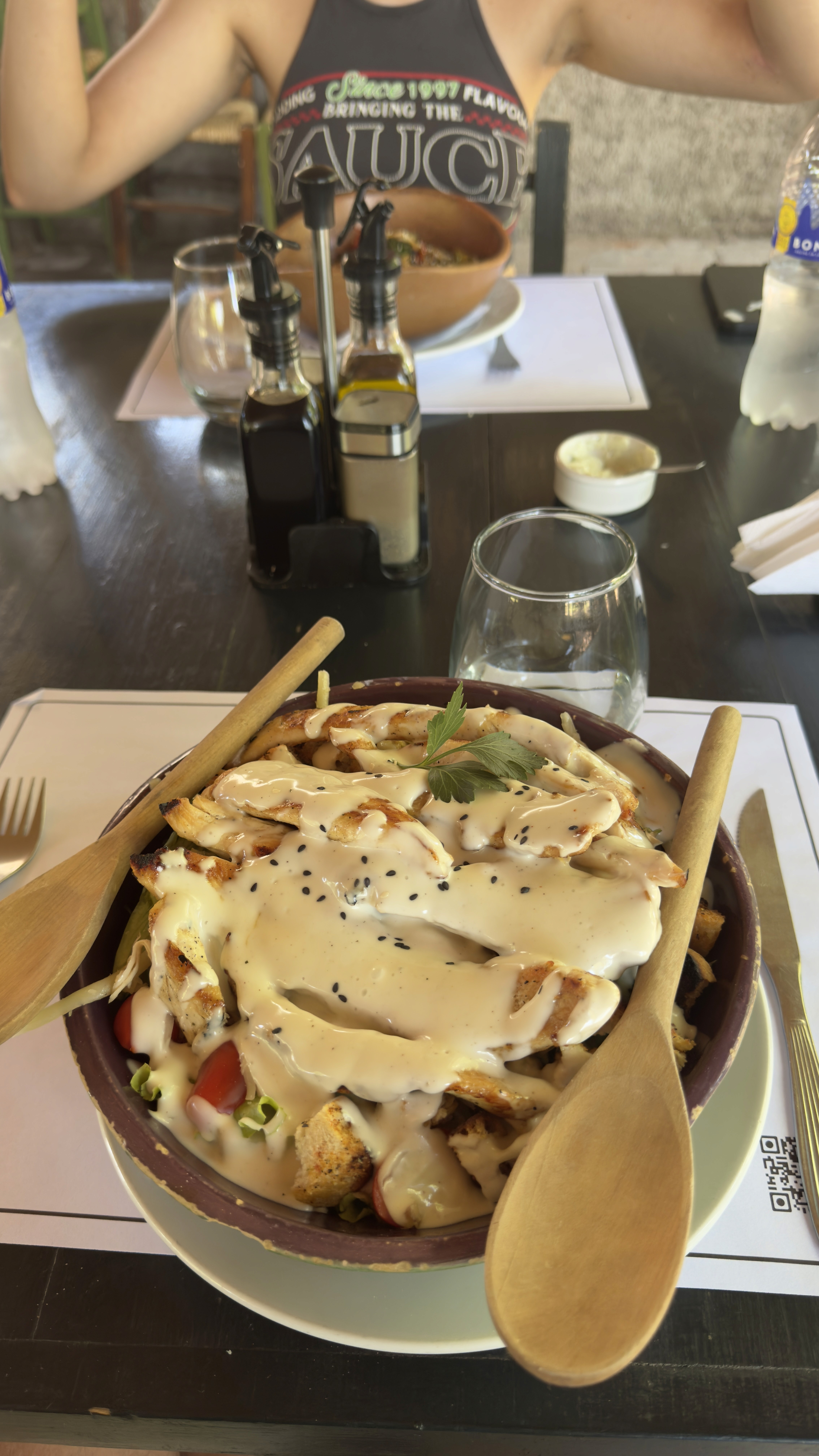
On the return from one of those days, we stop at La Despensa. The address doesn't look like much, just next to a gas station. But once inside, it's a real surprise. A garden that completely isolates from the noise, a calm atmosphere, and above all, very good dishes for a really honest price.
The rest of the stay is simpler. We often cook at the inn because it is well equipped and pleasant. No need to do more.
A short but effective step
San Rafael perfectly fulfills its role in the journey. Two full days to explore the surroundings, a third quieter day to relax and prepare for what’s next. No need to stay longer.
It is a well-thought-out transition stage that allows for continuing south while discovering a different region of Mendoza. A logical page of the travel diary, before heading back on the road to Bariloche.