The city of street art, or how a city marked by an economic crisis and natural disasters managed to reinvent itself thanks to the ingenuity of Chilean artists.
Valparaíso was once the main port city linking Santiago to the ocean, before the opening of the Panama Canal in 1914. Following the opening of the canal and the damage left by an 8.2-magnitude earthquake in 1906, the city gradually lost its commercial importance and experienced economic and social decline.
It was during Pinochet’s dictatorship that street art (although banned) appeared in the city, first as a symbol of rebellion against the military. Little by little, it spread everywhere until, by the end of the dictatorship, it had gained acceptance from residents and local authorities. In 2010, the city even hosted its first "Graffiti Festival." Gradually, Valparaiso became a true international showcase for street art, attracting local and international artists as well as travelers curious to discover its colorful hills.
Today, street art is an integral part of the city’s identity.
Santiago
CHILE
Valparaiso
We arrived by bus, as we often had since the beginning of the trip. We quickly noticed that the neighborhood around the bus station wasn’t necessarily a place where we wanted to stay for too long, so we took a taxi to get to our hostel, located in the heights of Valparaiso.
A fairly simple hostel, but well located for visiting the city.
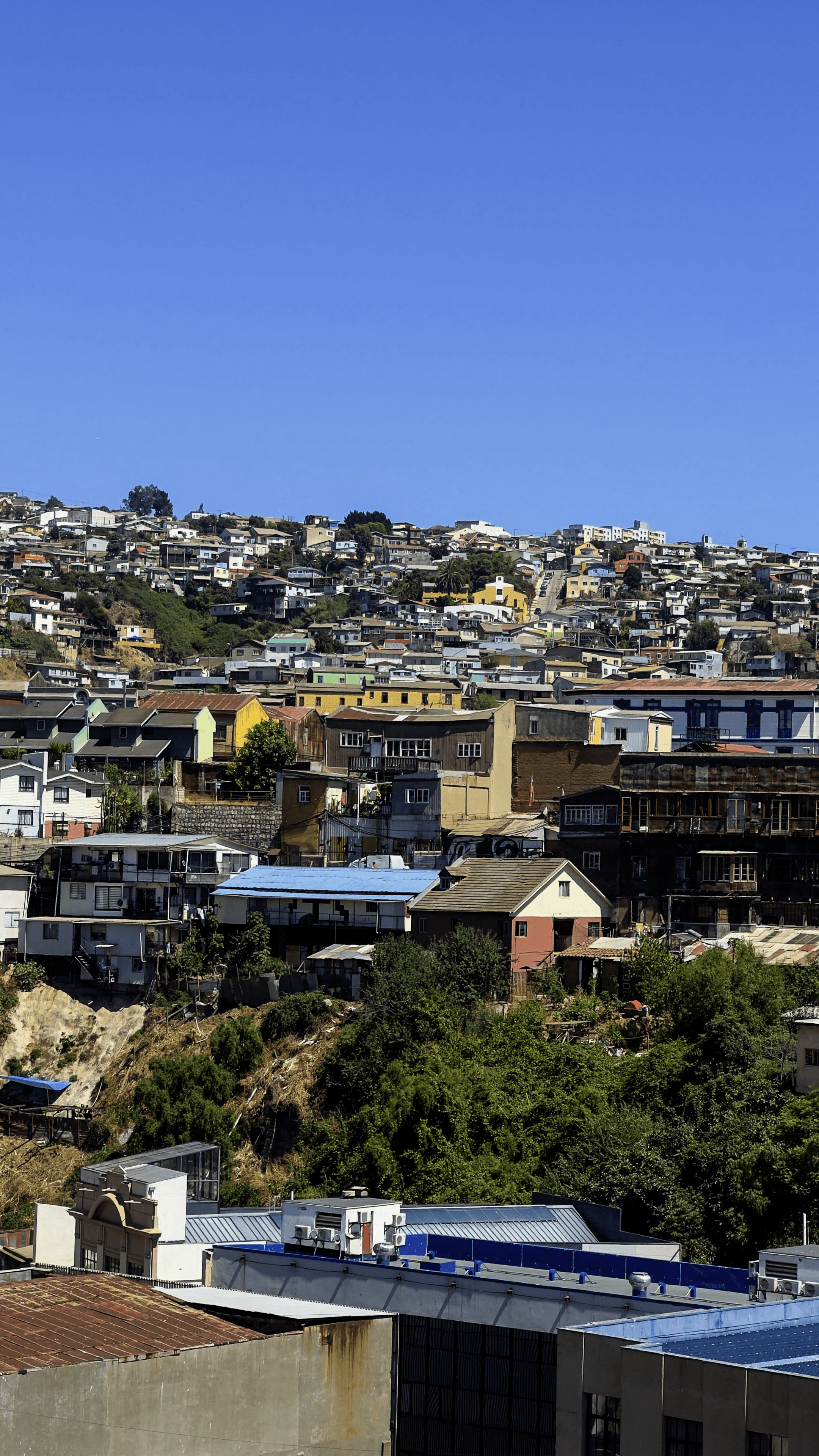
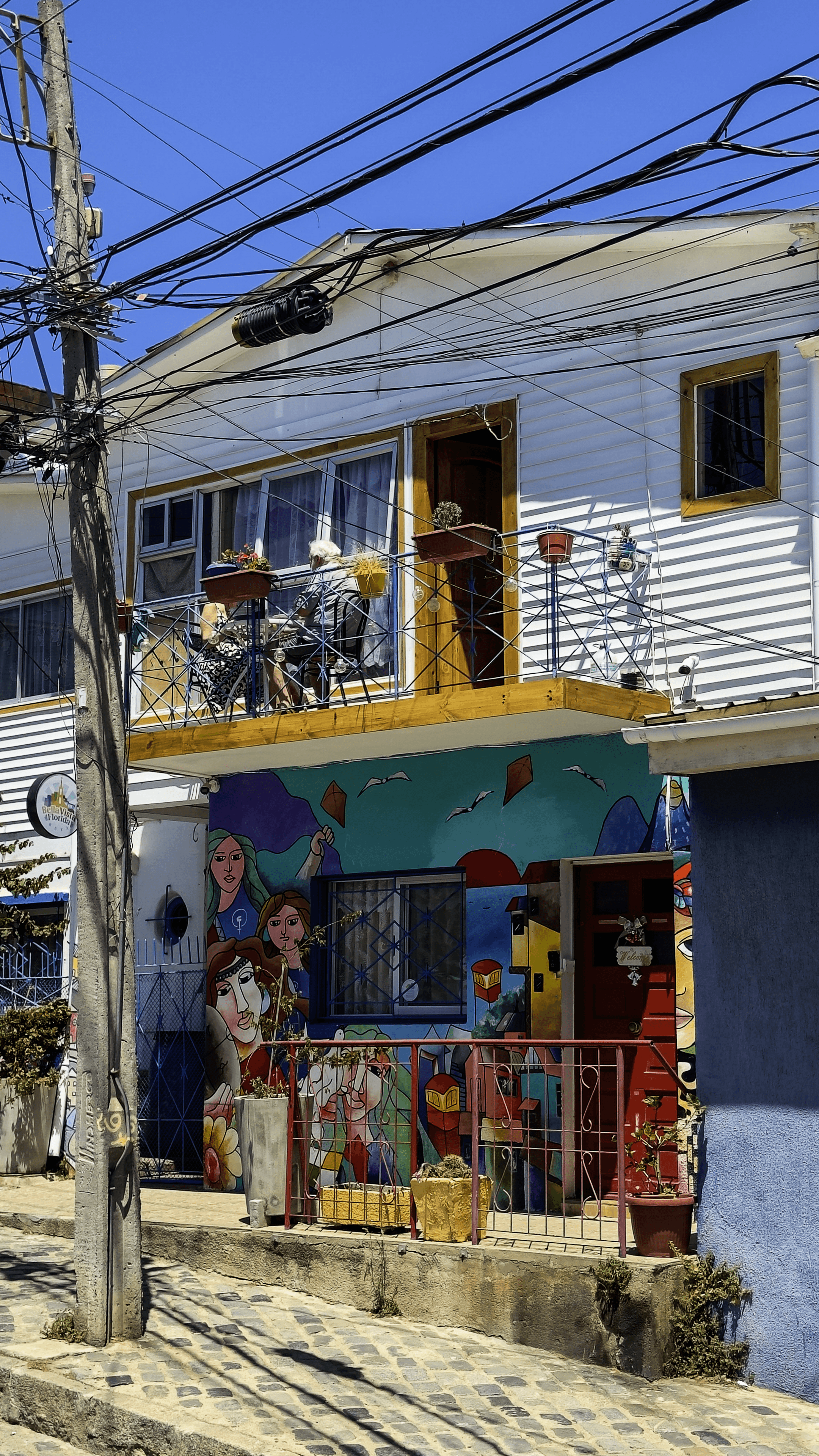
The colorful streets of Valparaiso
Our first day was dedicated to exploring the streets and their murals, tags, and graffiti. We simply let ourselves wander from street to street, without necessarily following a specific route.
We still had one goal: to find a place for breakfast. That’s how we ended up at Marion Café, in a somewhat hidden spot overlooking the city, with a lovely little garden.
There are many restaurants with terraces in Valparaiso’s cultural center, but we particularly liked this one (let’s be honest, the cakes they offered played a big part!).
Here’s the address: https://maps.app.goo.gl/dVFrS1wyxRzawsdr7

After a few pastries and lemonades, we continue our walk and come across a French woman who has been living in Valparaiso for 16 years. Originally an architect, today she sells her illustrations of the city’s typical houses. Very pretty, and very representative of the local architectural style.
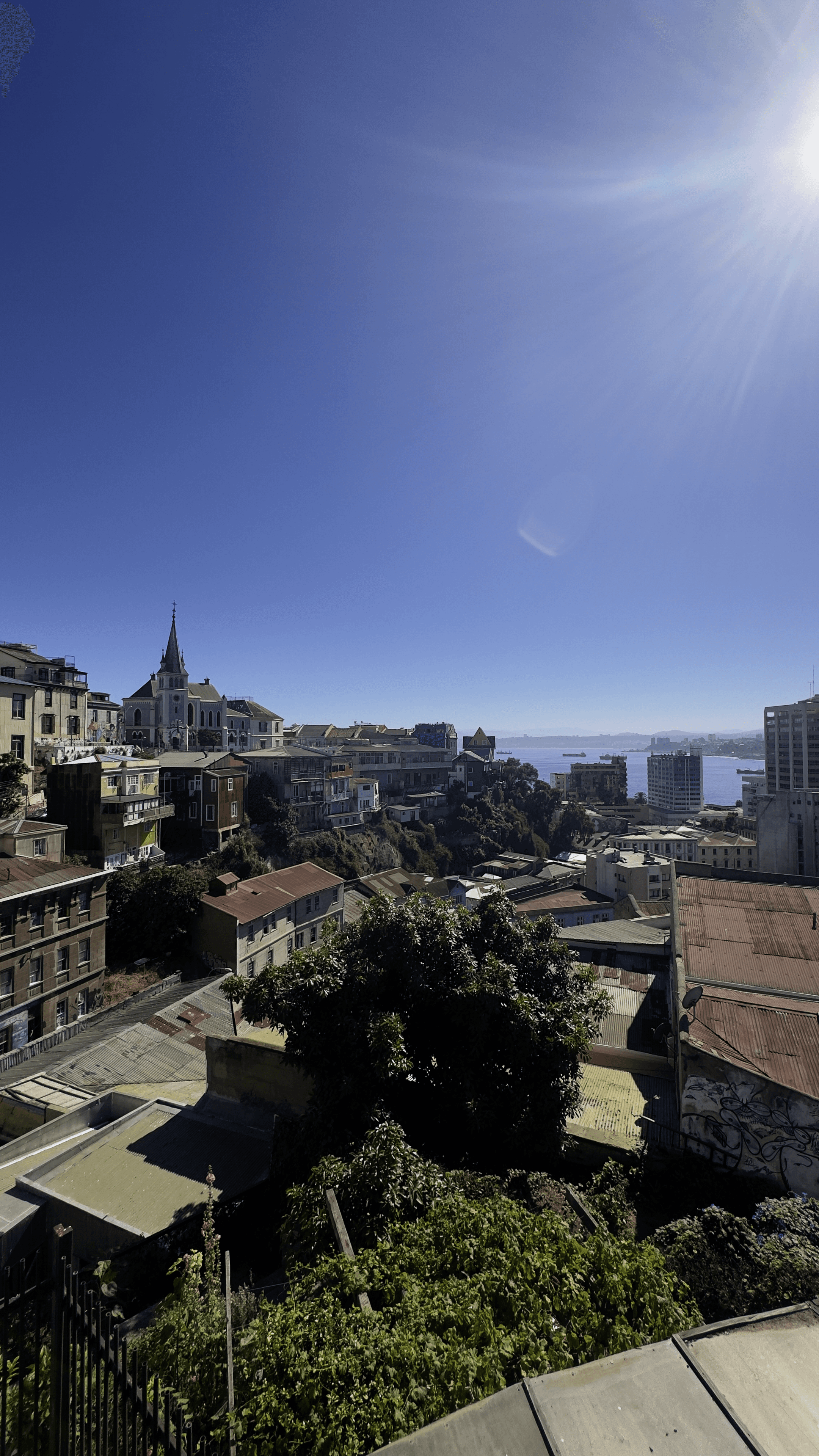
The outdoor museum and the funiculars of Valparaiso
We also had another specific place in mind: the Museo a Cielo Abierto de Valparaíso, a true open-air museum where you can see many graffiti grouped in a specific area.
Located on one of the city's 42 hills, you have to climb a bit to get there, but nothing insurmountable. Along the way, you come across a cat, a dog, and then more stairs… Valparaiso has to be earned a little. Fortunately, the city also has many elevators and funiculars.
The funiculars of Valparaíso were built at the end of the 19th century, at a time when the city was one of the most important ports in South America. Many European merchants, especially British, German, and French, had settled there to benefit from maritime activity between the Atlantic and the Pacific, before the opening of the Panama Canal Opening. The city then developed very rapidly, but its very particular geography, wedged between the ocean and steep hills, created a natural separation between the different social classes. More modest populations often lived in the lower areas near the port, while the wealthier classes settled in the heights, where the air was healthier and housing more modern.
To facilitate travel between these different levels of the city, entrepreneurs and engineers, often of European origin, built the funiculars starting in 1883. At their peak, more than 30 ascensores made it possible to quickly connect the economic center to the residential neighborhoods on higher ground. This infrastructure profoundly influenced the organization of the city and still shows today how Valparaiso was built between geographic constraints and social divisions.
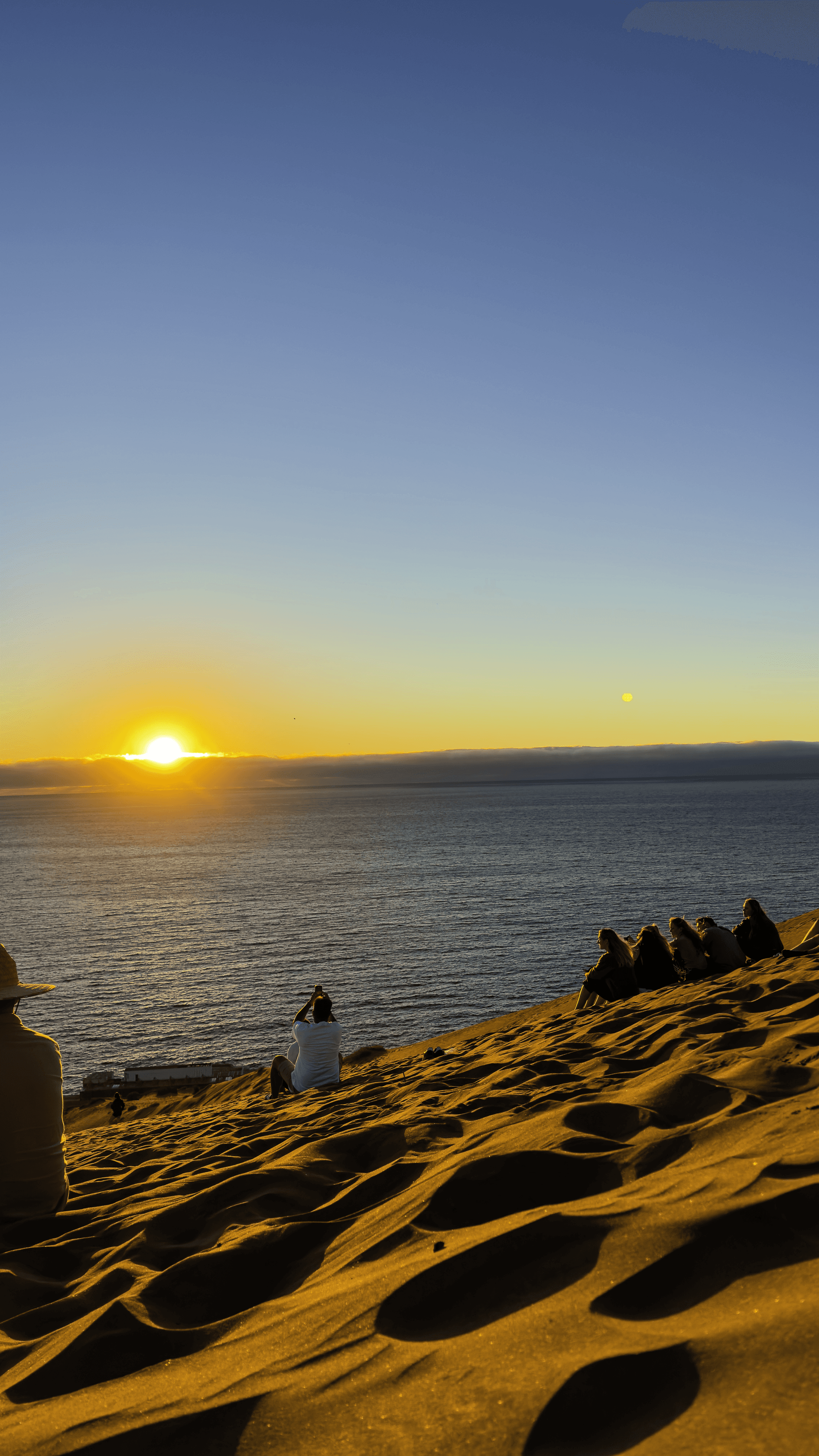
Sunset in the dunes of Concón
On the second day, we hadn’t planned anything in particular, just to go watch the sunset on a dune located in the neighboring city.
The day goes by quietly, then in the late afternoon, we take a shared bus heading to Concón. The local buses are quite… special… they drive fast, sometimes even faster than what we imagine possible for a bus. The trip time announced by our app took 15 minutes less than expected.
Once we arrive, we pick up something to eat at the shopping center located right across from the dune (they know exactly where to set up) and we go settle down in the sand. The golden light on the dunes is magnificent. The sand forms almost perfect waves. The only small problem is that as soon as someone walks by, the wind sends sand everywhere… including into our heads.
A break in the journey
We had planned several days in Valparaiso, which allowed us to take a calmer pace.
After several trips, it was a perfect place to slow down a little without stopping completely.
Understand the city with a local guide
For the third day, we had planned a free walking tour.
For two hours, a local person showed us around the city and explained why street art is so prevalent, how the city developed, and why the architecture is so varied.
Valparaíso welcomed many migratory influences, which explains the differences in styles between neighborhoods. That is also where we came to understand the funiculars.
At the end of this tour, you start to understand the city better.
After the tour, we went up to a former prison transformed into a cultural center: the Parque Cultural de Valparaíso.
The place is quite surprising. Modern, open, with rooms for organizing activities, a theater, and a large garden where residents come to enjoy the sun.
Since the day was very sunny, we simply sat down on the grass to enjoy the moment before returning to the hostel.
Viña del Mar, a different atmosphere
The next day, we went to visit the neighboring city Viña del Mar, which is more modern in its infrastructure.
It notably has a natural history museum, cultural spaces, and old castles.
We felt the difference between the 3 cities, which are so close and yet so far apart economically: Concon is a wealthy and calm city, Villa del Mar is also wealthy but more active and grzndepossède de, while Valparaiso seems less affluent but more cosmopolitan and less modern. Despite everything, this city remains rich in life stories and is a must-see in Chile.
Some areas were not recommended to us, but overall the city seemed lively and interesting to discover.
An unexpected evening in Valparaiso
One evening, we met up with French people we had met earlier in the south of Chile, as well as two people we met at the hostel. We started the evening in a bar created by a Frenchman (we learned that afterward haha!), where we drank excellent cocktails. As the evening went on, other people joined us and we changed bars to find a bigger table.
That’s where we met a man with one of the most contagious laughs we had ever heard.
A barrier separated us from the street, and this man appeared on the other side. His Chilean accent was very difficult to understand, but his laugh was enough to start a conversation.
We didn’t understand everything, but we laughed a lot. A simple but memorable moment.
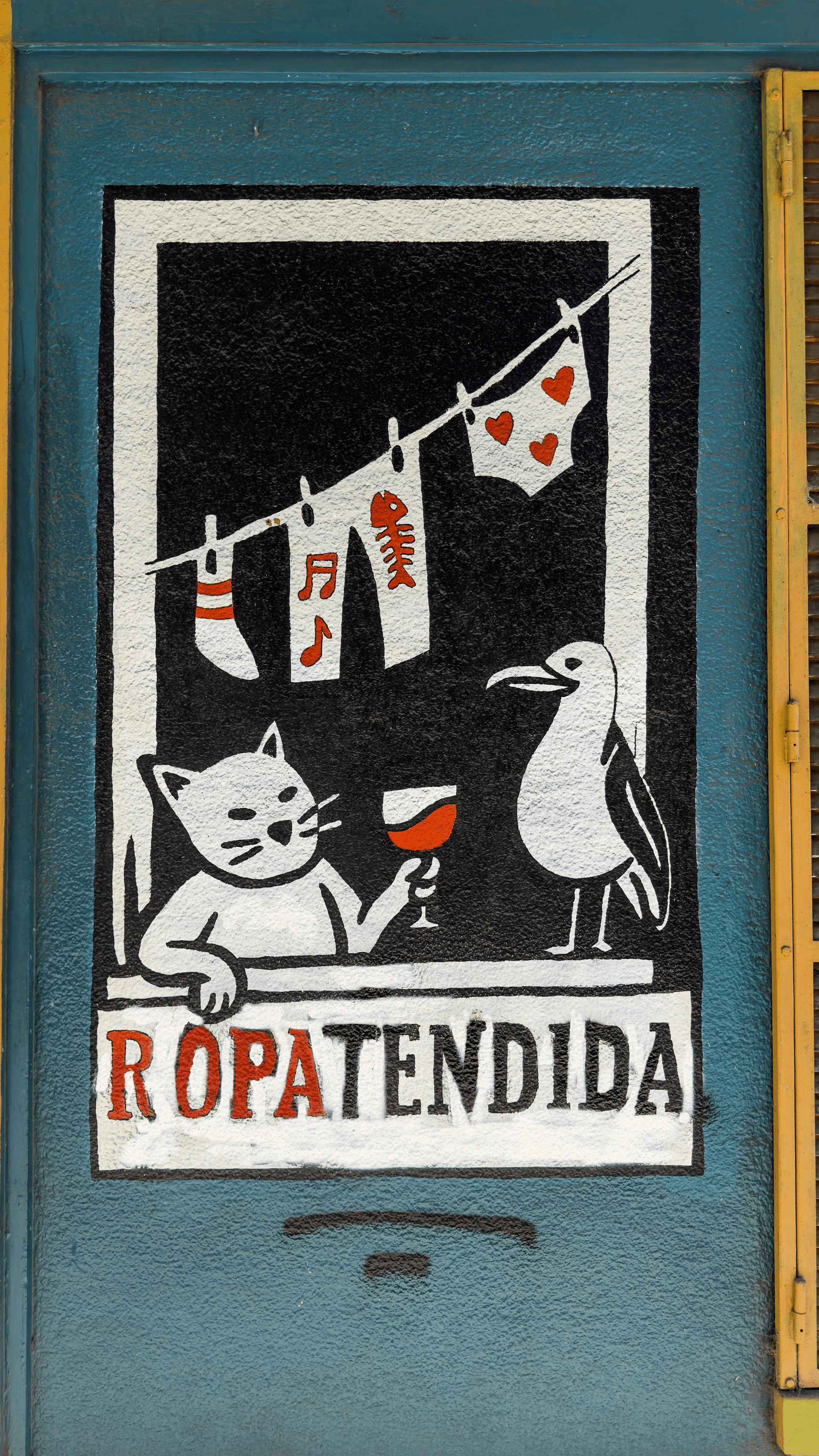
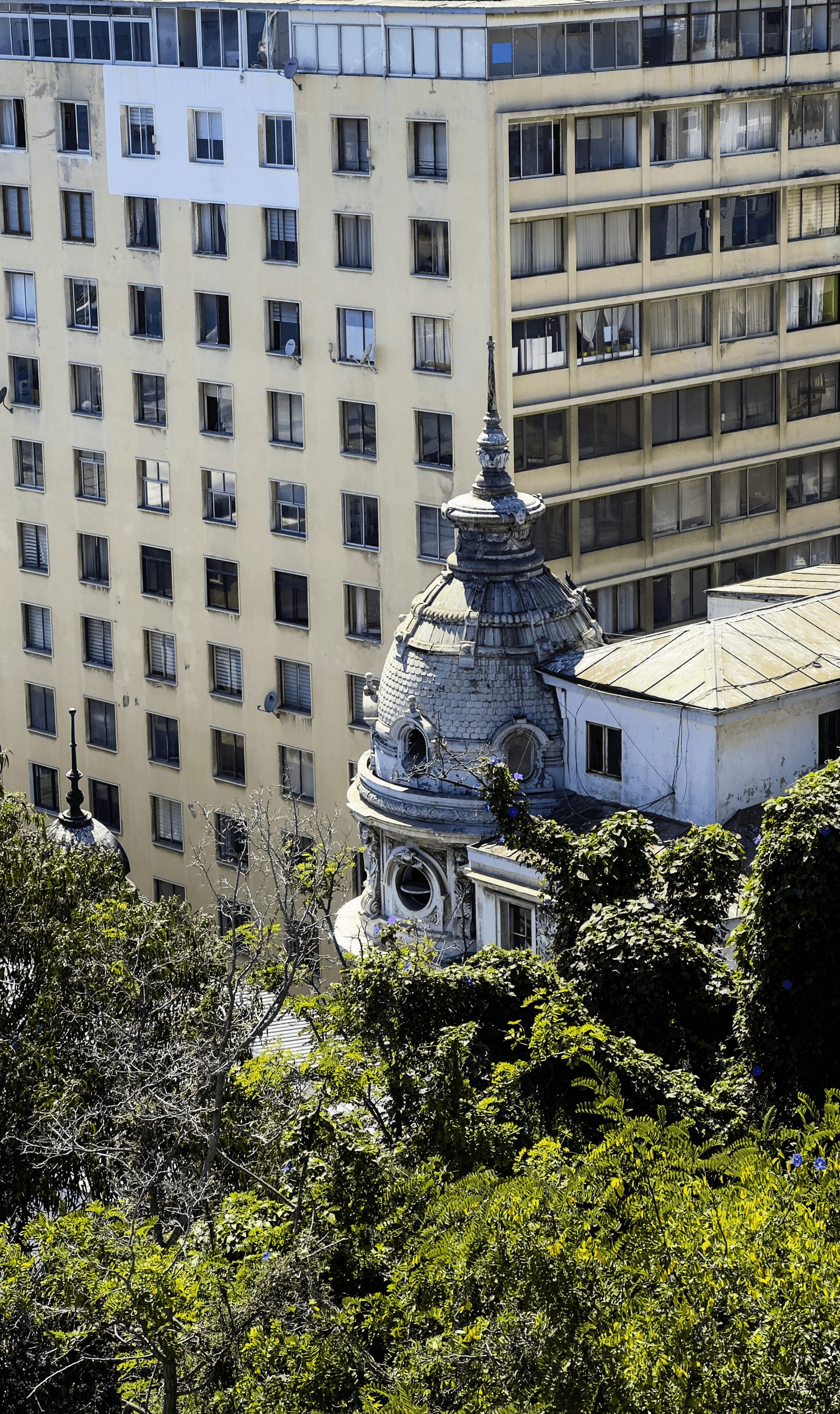
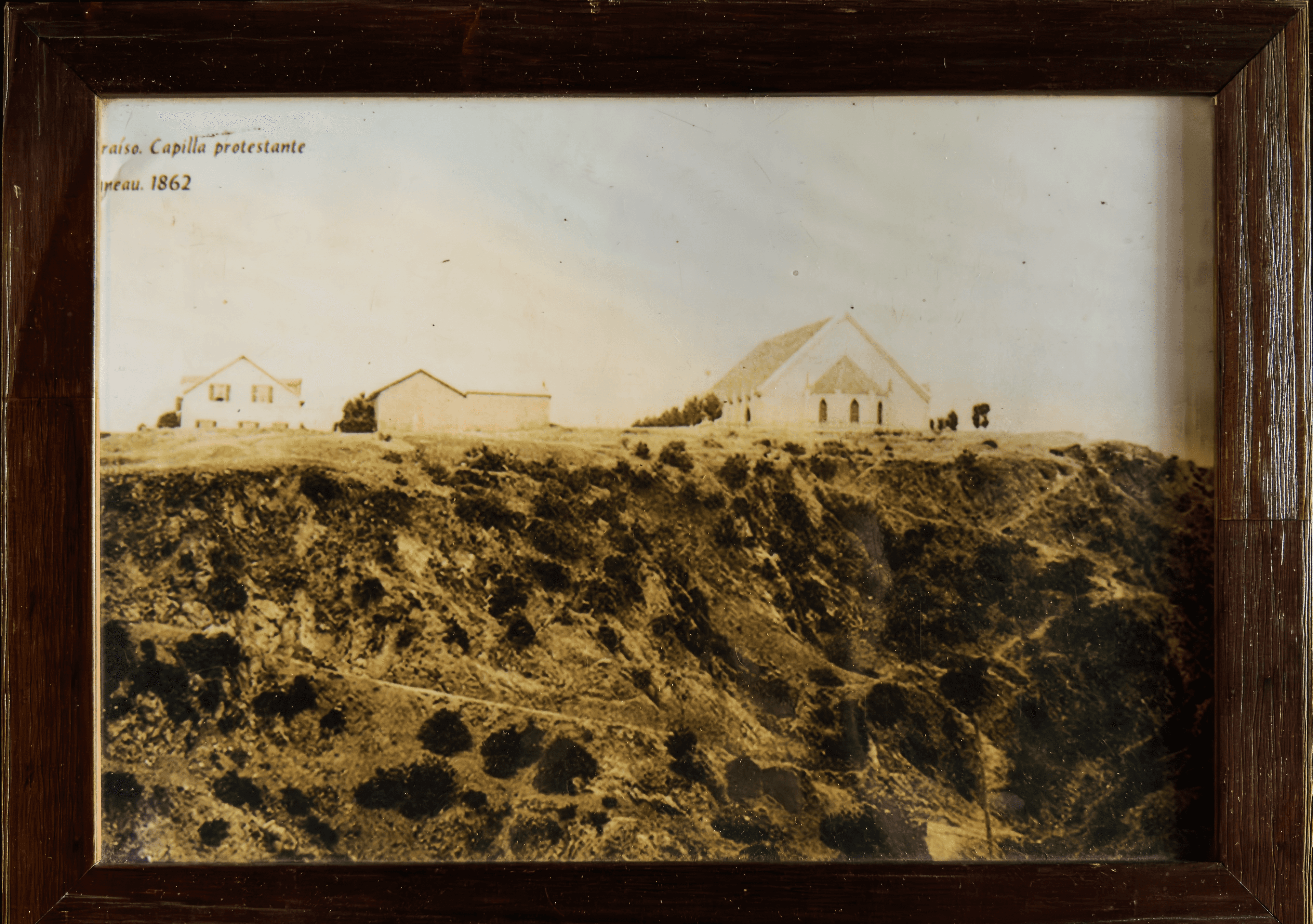
Discover Valparaiso in photos

A lively city
After almost a week in Valparaiso, we can say that, yes, street art is everywhere. But not only that—culture in general is present throughout the city. There is a huge mountain biking competition, several cultural centers, music schools, and museums.
The city requires a bit of vigilance, especially in the port district, but it did not seem dangerous to us. It was the perfect place to take the time to settle down before leaving for the next stage of the trip:
Now, onward to Santiago!