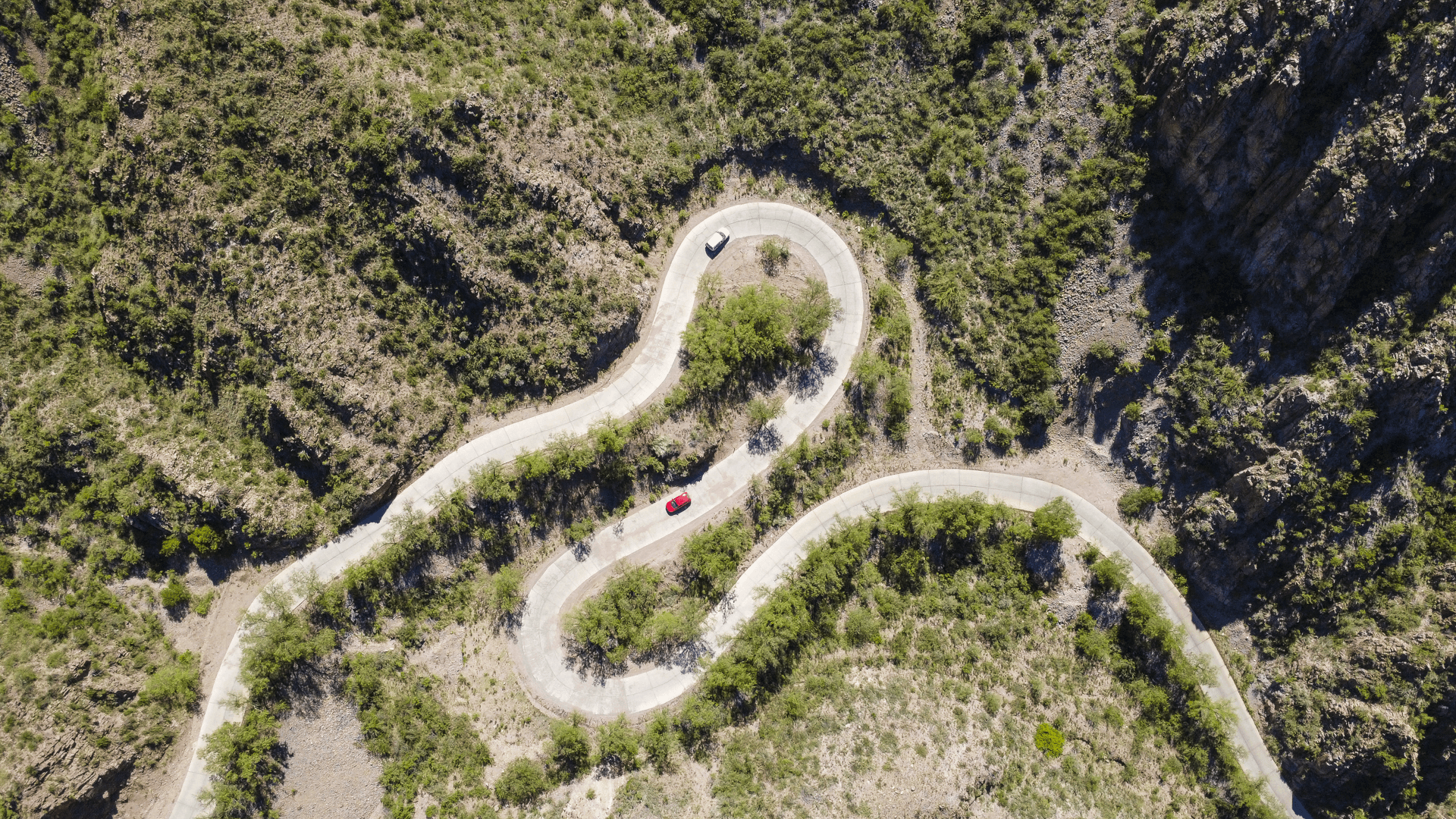
San Rafael, south of Mendoza, is often just a stop on the way to Patagonia. A classic mistake. The region hides impressive landscapes, easily accessible by car, without breaking the bank or spending entire days on the road.
San Rafael, south of Mendoza, is often just a stop on the way to Patagonia. Classic mistake. The region hides impressive landscapes, easily accessible by car, without breaking the budget or spending whole days on the road.
The big advantage: several loops can be done in half a day, which allows for creating a 2-day itinerary that is very complete, perfect for taking a break before Bariloche.
Why stop in San Rafael?
San Rafael is a convenient stop for three reasons:
The city is well-placed on a route from Mendoza to Patagonia
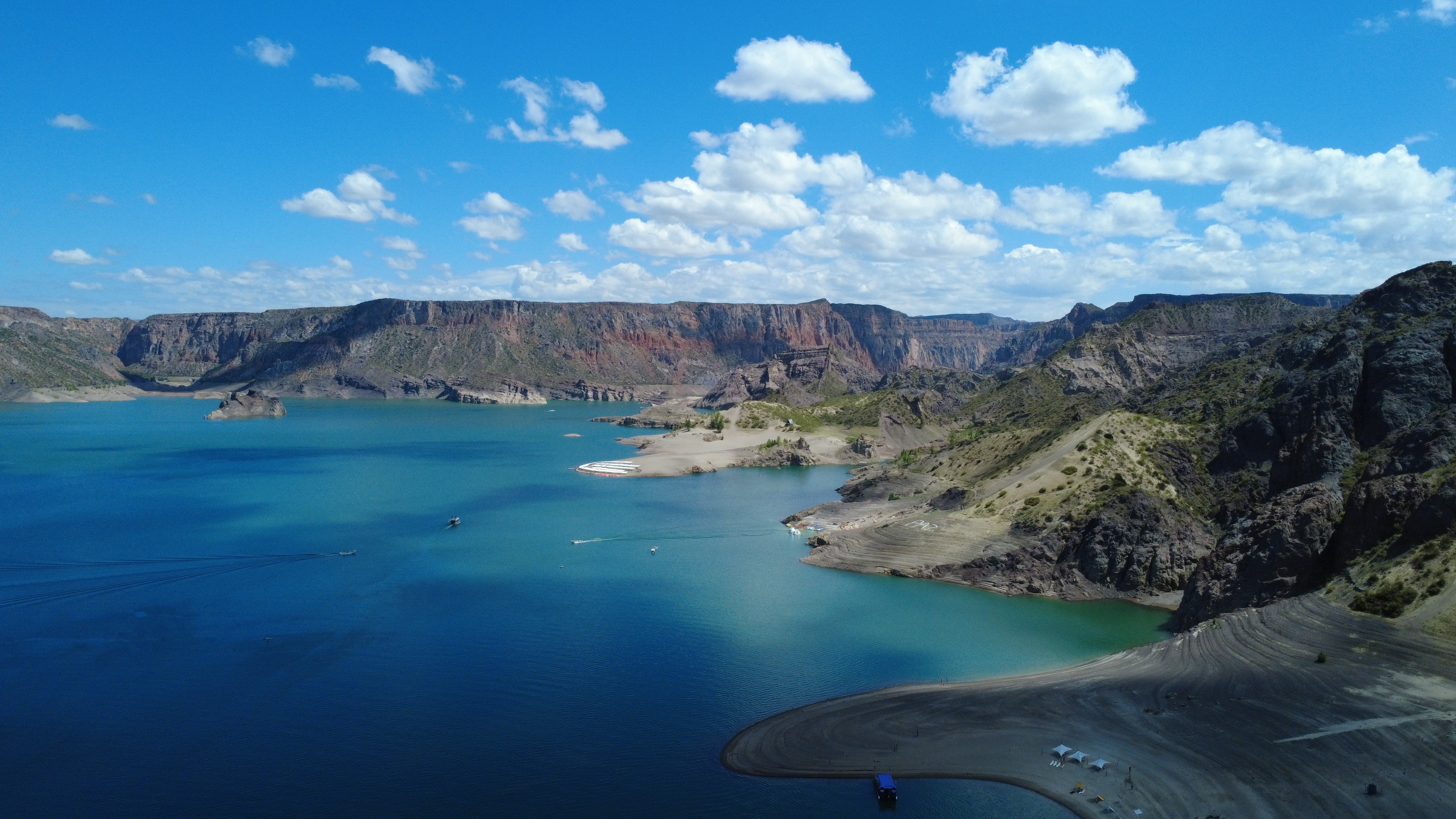
The surrounding landscapes are varied: canyons, rivers, lakes, viewpoints
The circuits are easy to organize, with no mandatory guide
It is an “efficient” destination: little hassle, lots of scenery, and a good break in the middle of a long journey.
ARGENTINA
Buenos
Aires
San
Rafael
Things to know before visiting San Rafael
The siesta, a surprising detail
We arrived during the siesta and the city seemed almost empty. After lunch, many shops close, the streets become quiet, and then everything starts again around 6 PM.
Conclusion: plan your shopping and errands in the morning, and keep the driving visits for the afternoon.
Is a car necessarily required?
Yes, if you want to easily do the circuits. The most beautiful spots are outside the city.
You can walk around the center, but the loops around San Rafael are clearly designed for cars.
Where to sleep in San Rafael?
Our base camp was Amukan Guest House, a warm and friendly hostel that checked all our criteria.
It is located about twenty minutes on foot from the city center, but especially on the perfect track to reach the three circuits around San Rafael. The place is quiet, well-equipped, and really pleasant for cooking and resting after a day of travel.
It is also thanks to the advice from the hostel that we organized our itineraries without stress.
Circuit 1: Valle Grande and the Atuel Canyon
First circuit and undoubtedly the most impressive.
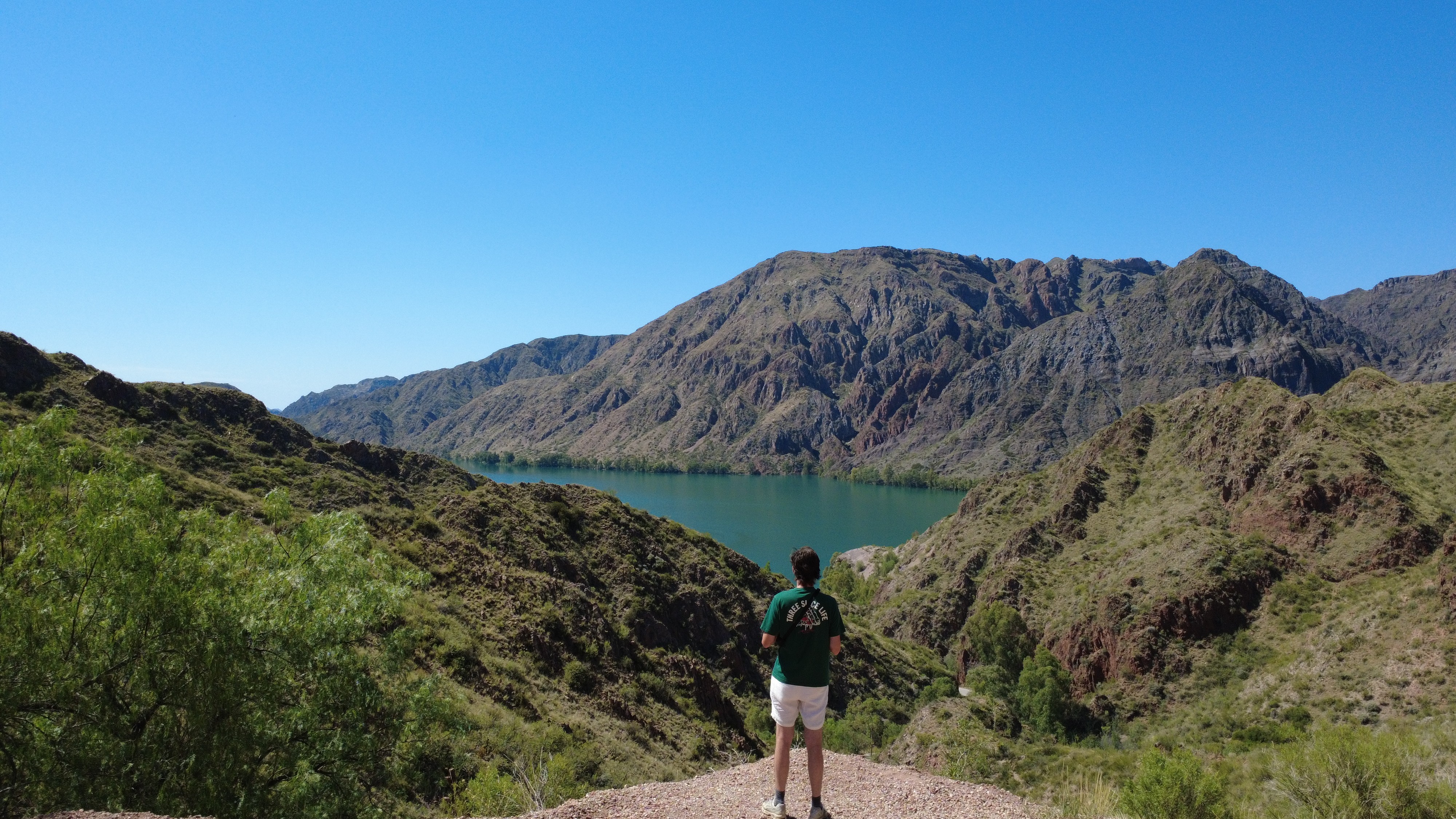
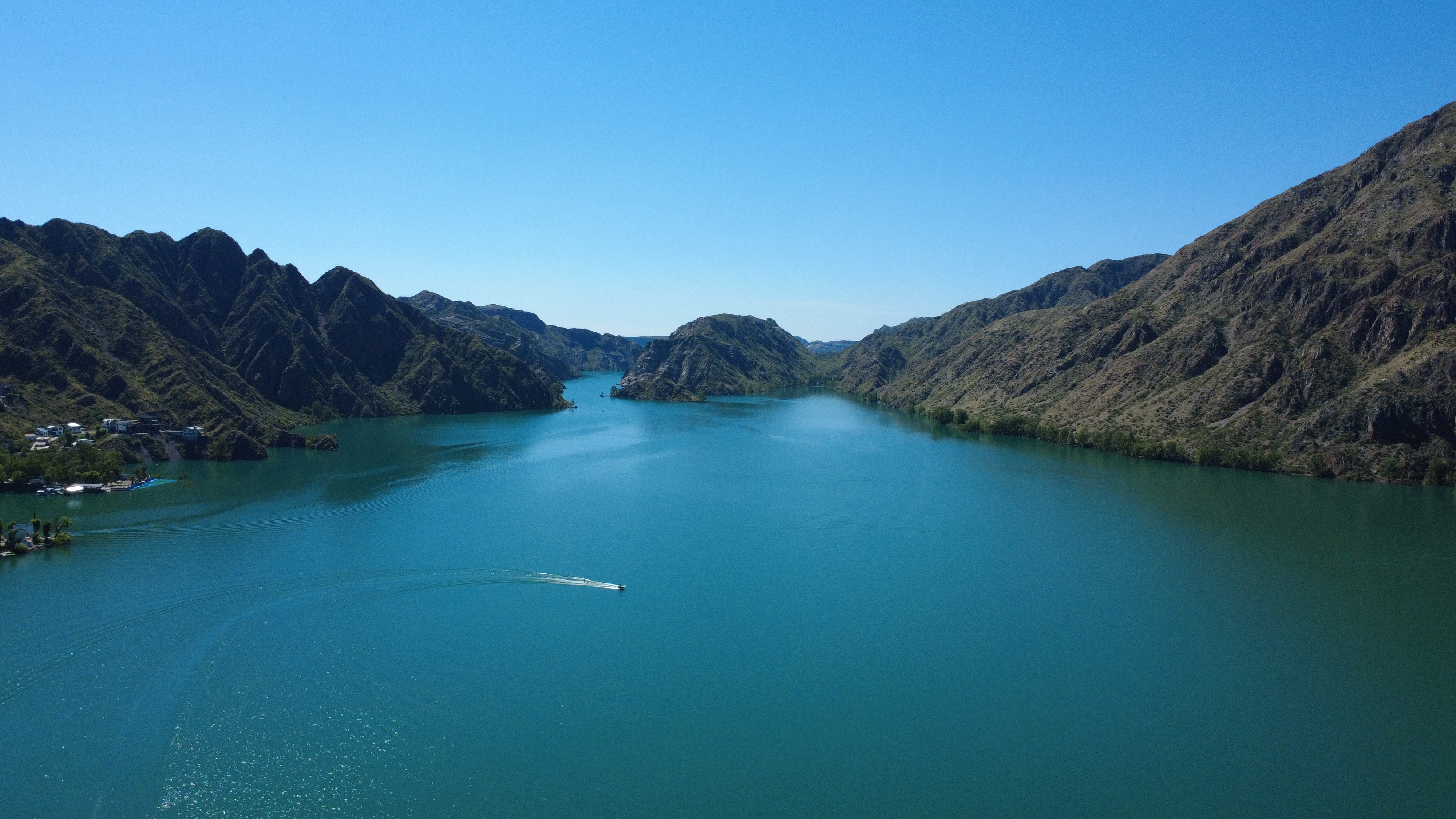
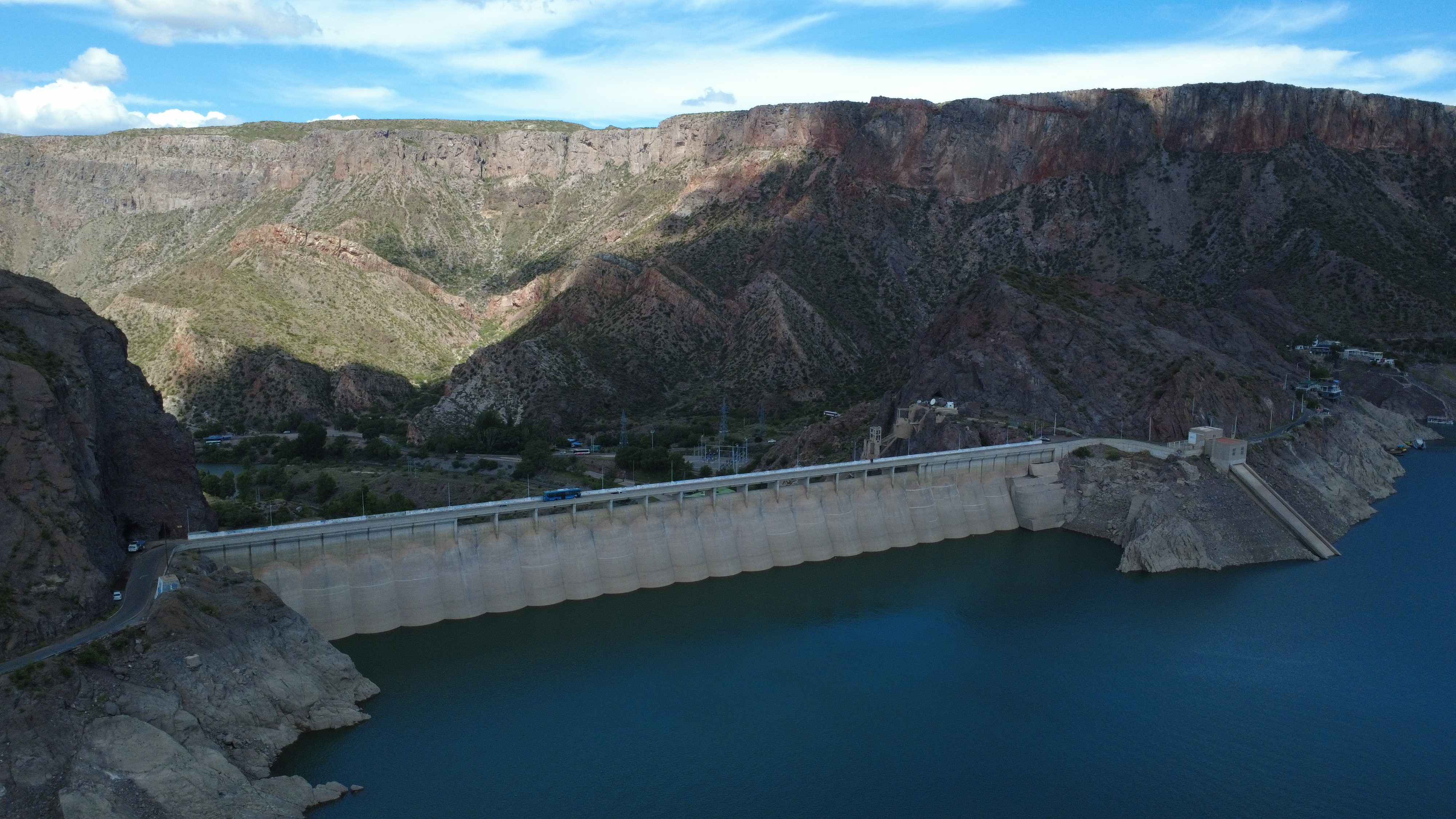
From San Rafael, take route 173 towards Valle Grande, before continuing towards the Cañón del Atuel. The landscapes change quickly, between river, colorful cliffs, and rock formations sculpted by erosion.
Important to know: always ask your inn if the road to Valle Grande is open. In case of closure, a detour is necessary, but it remains simple and allows you to get back on route 173 to complete the loop in the other direction.
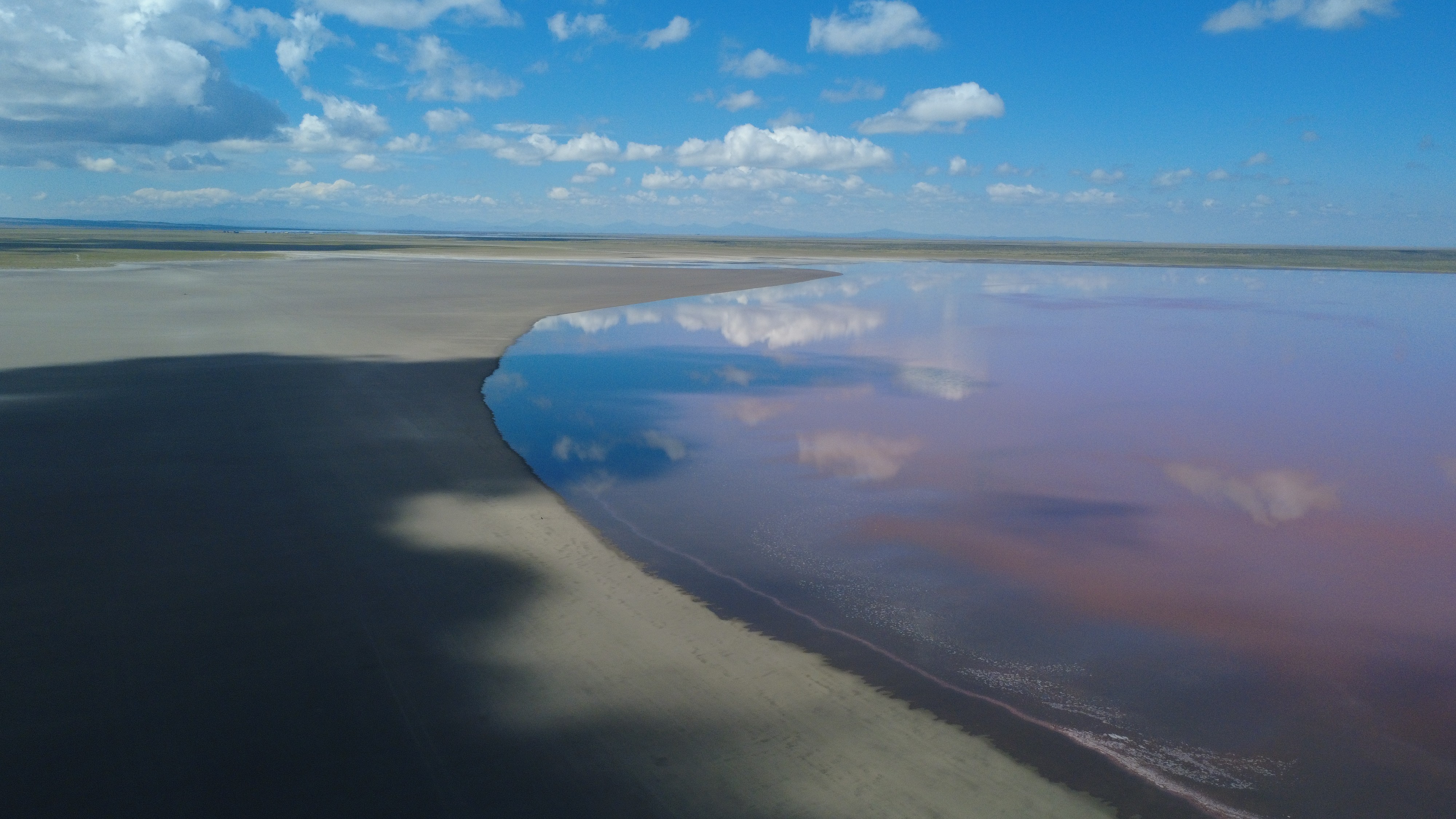
After the canyon, we continued to El Nihuil, then stopped at Salinas del Diamante. The small salt museum is modest but very cute, and helps to understand the history of salt exploitation in the region.
Where to eat on this circuit
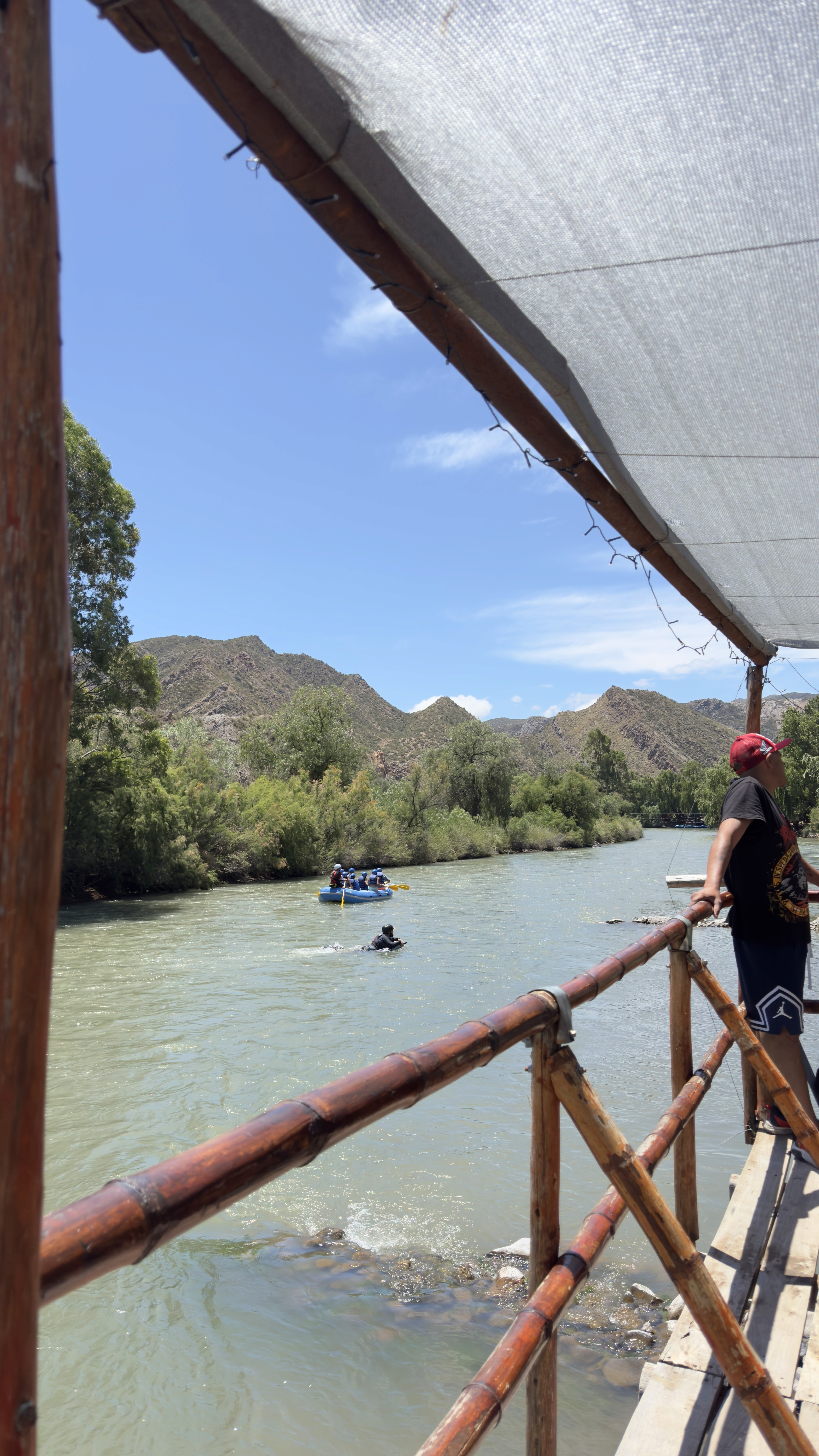
On the road, we had lunch at Regionales D.C. The portions are generous, clearly meant for two people, and the terrace by the river makes the break really pleasant.
Circuit 2: Los Reyunos and the surrounding area
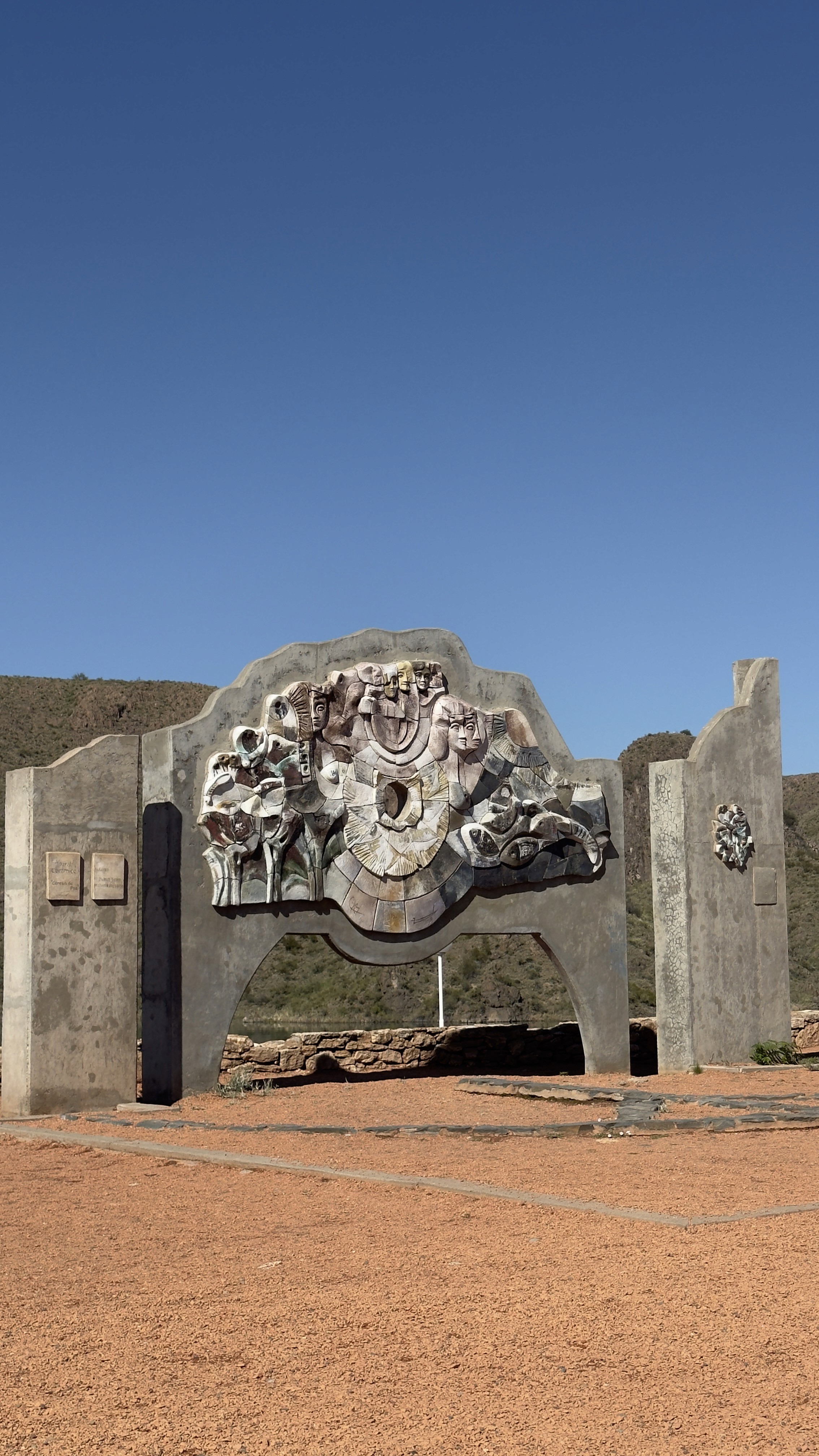
The second circuit leads to Los Reyunos, passing by the Mural Cerámico “Génesis de Paz”, which offers a lovely viewpoint over the lake.
Then, Route 150 runs along the lake for several kilometers. The scenery is very peaceful, perfect for a quiet walk. However, be careful: after the Mirador Dama del Kayak, you arrive at a privatized area.
Entry is charged, 10,000 pesos in January 2026, and there is no other road after that. With a compact rental car, it really isn't worth the effort to go further.
A good address for the return
On the way back, we recommend La Despensa. On the map, the restaurant seems attached to a gas station, but in reality, it is surrounded by a garden that completely isolates you from the outside noise; the atmosphere is really warm!
You eat very well for a fair price, in a relaxed atmosphere. A very pleasant surprise.
How long to stay in San Rafael?
Our stay was short but sufficient. We mainly cooked at the inn, which was very well equipped, and enjoyed the tranquility of the place.
In our opinion, two to three full days at most are more than enough to explore the essentials around San Rafael without rushing.
It is an ideal stop to slow down a bit, enjoy nature, and hit the road rested before tackling the rest of the trip.