5,000 years of Andean civilizations: from Caral to the Incas
Long before the Incas, Peru was home to Caral, the Chavin, the Chimu, and dozens of other forgotten civilizations. We retrace 5,000 years of Andean history through the stories shared by our guide on the Salkantay trek.
5,000 years of Andean civilizations: from Caral to the Incas
5,000 years of Andean civilizations: the forgotten history of Peru before the Incas
When we talk about pre-Columbian Peru, we talk about the Incas. Almost exclusively. Our guide on the Salkantay trek helped us understand why that's a mistake, and what you miss out on by ignoring the 4,000 years of civilizations that came before them.
The first humans in America
To understand Peru's history, we have to go way back: to about 12,000 BC.
Around this time, the planet was emerging from a near-total ice age. Ocean levels were lower than they are today, and a land bridge existed between Siberia and Alaska, where the Bering Strait now leaves a 12 km stretch of water between the two continents.
The first humans to reach South America were Asian peoples who migrated via this land route, gradually making their way down south through the continent.

The earliest traces of agriculture in Peru date back about 8,000 years BC, in the form of Andean terraces: a remarkable technical feat at a time when the West had not yet caught up.
The theory of the settlement of the Americas via the Bering Strait remains the most scientifically accepted, but recent discoveries in South America suggest that other migration routes may have existed, possibly even earlier. Official history continues to evolve.
Caral: the very first great civilization of the Americas
2600 BCE. This is when the Caral civilization emerged, recognized as the first organized civilization of the Americas, sharing the world stage with ancient Egypt, Babylon, and the very first great Mesopotamian cities.
Its ruins lie just 80 km north of Lima and are open to visitors today. Here, you'll find what is widely considered the first pyramid of the Americas: a structure used as an agricultural experimentation site, recreating different microclimates to test out crops.
What makes Caral truly special is its longevity. The civilization endured for 2,200 years, making it the longest-lasting of all the cultures that arose in pre-Columbian America. It was here that several core concepts were born which the Incas would adopt millennia later, most notably polytheism and the worship of the forces of nature.
The Caral archaeological site has been a UNESCO World Heritage site since 2009. It's often overlooked on standard tourist itineraries, which makes a visit here feel like a real insider's secret.
Chavin, Tiwanaku and the great intermediate civilizations
Between Caral and the Incas, centuries of civilizations succeeded one another, each bringing major advancements.
The Chavin civilization is considered one of the most important to have developed in the Andes. Lasting nearly 900 ans, it stands out for two major achievements: a sophisticated underground architecture with remarkably complex galleries and tunnels, and an advanced hydraulic system. Its main site, Chavin de Huantar, was brought to light during excavations started in 2007.
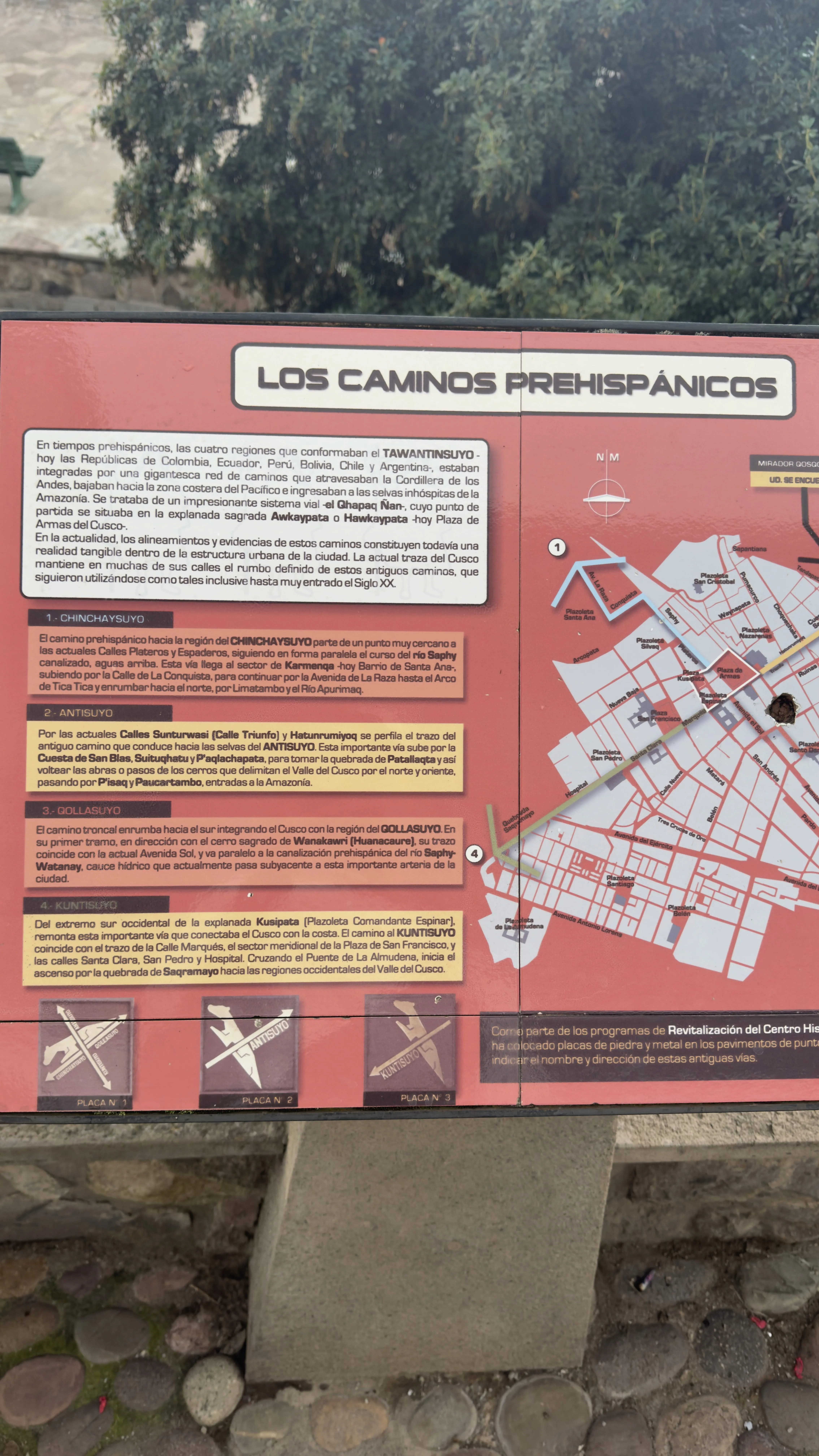
The Tiwanaku civilization, originating from modern-day Bolivia, controlled southern Pérou and the Cusco region for about 600 years. Hailing from the shores of Lake Titicaca, these people fought battle after battle to establish control over a vast stretch of the Andean territory before the Incas eventually took over.
Other major civilizations either coexisted with or predated the Incas: the Wari, the Chimu on the northern coast, the Nasca in the south, the Mochica, and the Killke in the Cusco region. Some of these cultures lasted for 400, 500, or even 700 years—far longer than the Inca Empire itself.
The Larco Museum in Lima is your best introduction to pre-Inca civilizations in Pérou. Its collection is widely considered one of the finest in the world on the subject.
The coastal civilizations of Peru
Along the Peruvian coast, incredibly advanced civilizations flourished side-by-side with Andean cultures.
The Chimu built their capital, Chan Chan, near present-day Trujillo, creating the largest adobe city in pre-Columbian America. They were renowned as the finest goldsmiths on the continent, perfecting precious metal alloys with a level of sophistication that the Incas, after conquering them, later adopted into their own work.
Meanwhile, the Nasca left behind the famous Nasca Lines in the coastal desert: massive geoglyphs that can only be fully appreciated from the air, and whose exact purpose is still debated today. Their civilization also mastered advanced irrigation techniques to thrive in one of the driest spots on earth.
You can catch a flight over the Nasca Lines from the town of Ica, about 4 hours south of Lima. Several local companies offer daily sightseeing flights.
The Rise of the Incas and Pachacutec
Contrary to what we often imagine, the Incas didn't always rule the Andes. For centuries, they only controlled a small territory around Cusco, regularly losing battles to much more powerful civilizations.
Everything changed with the ninth emperor, Pachacutec, who took power around 1432 at just 12 years old. The situation was critical: the Chankas, the most feared and numerous civilization in the region, were attacking Cusco. The old emperor had fled. Pachacutec—whose name literally means "he who transforms the world"—took charge of the defense.
Not only did he hold off the Chankas, but he crushed them. From this victory came the lightning-fast territorial expansion of the Inca Empire: in less than a century, the Incas expanded their territory across the equivalent of six modern-day countries, from Colombia all the way to Chilean and Argentine Patagonia.
These were 100 years of expansion that shaped the empire the Spanish found upon their arrival in 1533.
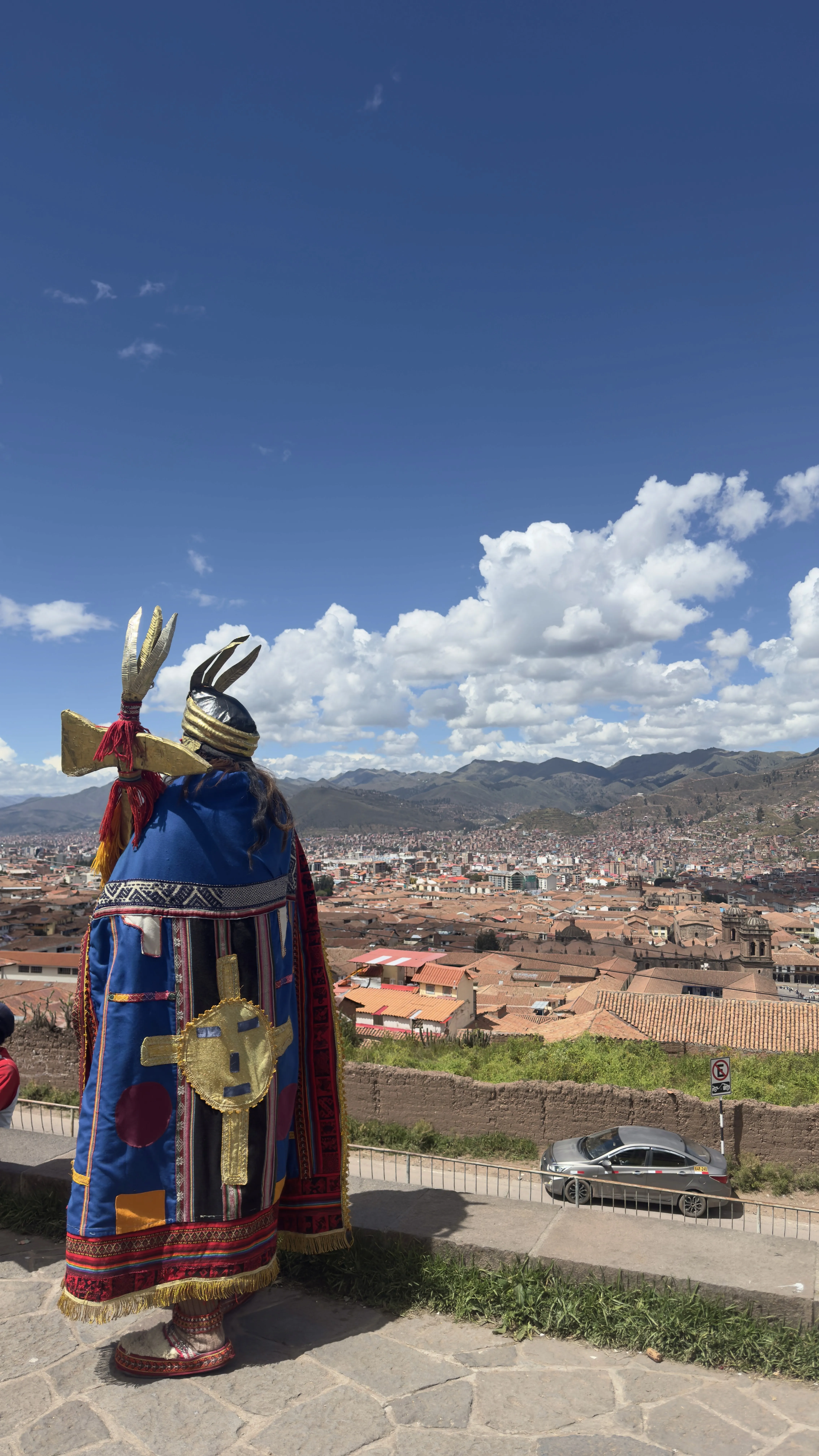
Cusco, the ancient capital of the Inca Empire, still holds many traces of this era. The Temple of the Sun (Qorikancha) and the ruins of Sacsayhuamán are absolute must-sees. Most of the Inca constructions in Cusco are actually built on the foundations of earlier civilizations, including megalithic blocks left behind by the Killke civilization.