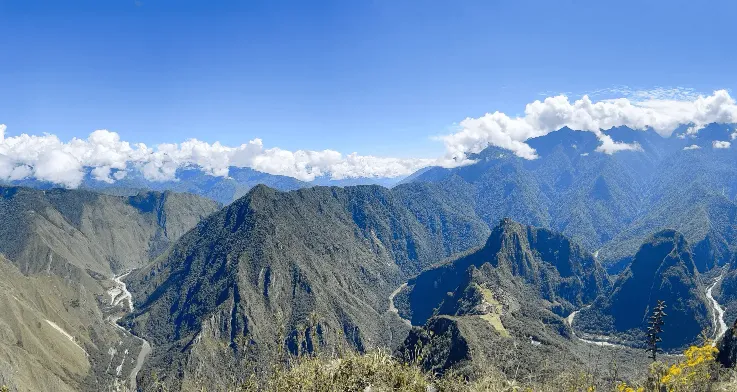
Salkantay Trek: A Complete Guide to the Most Beautiful Hike in Peru
Your complete guide to the Salkantay Trek, the ultimate alternative to the Inca Trail for reaching Machu Picchu on foot. Discover a day-by-day 5-day itinerary, detailed budget, difficulty levels, altitude tips, physical prep, a comparison with the Inca Trail, and advice on going solo versus with an agency. This is the most comprehensive guide to planning your trek in Peru.
Salkantay Trek: A Complete Guide to the Most Beautiful Hike in Peru
Before we begin
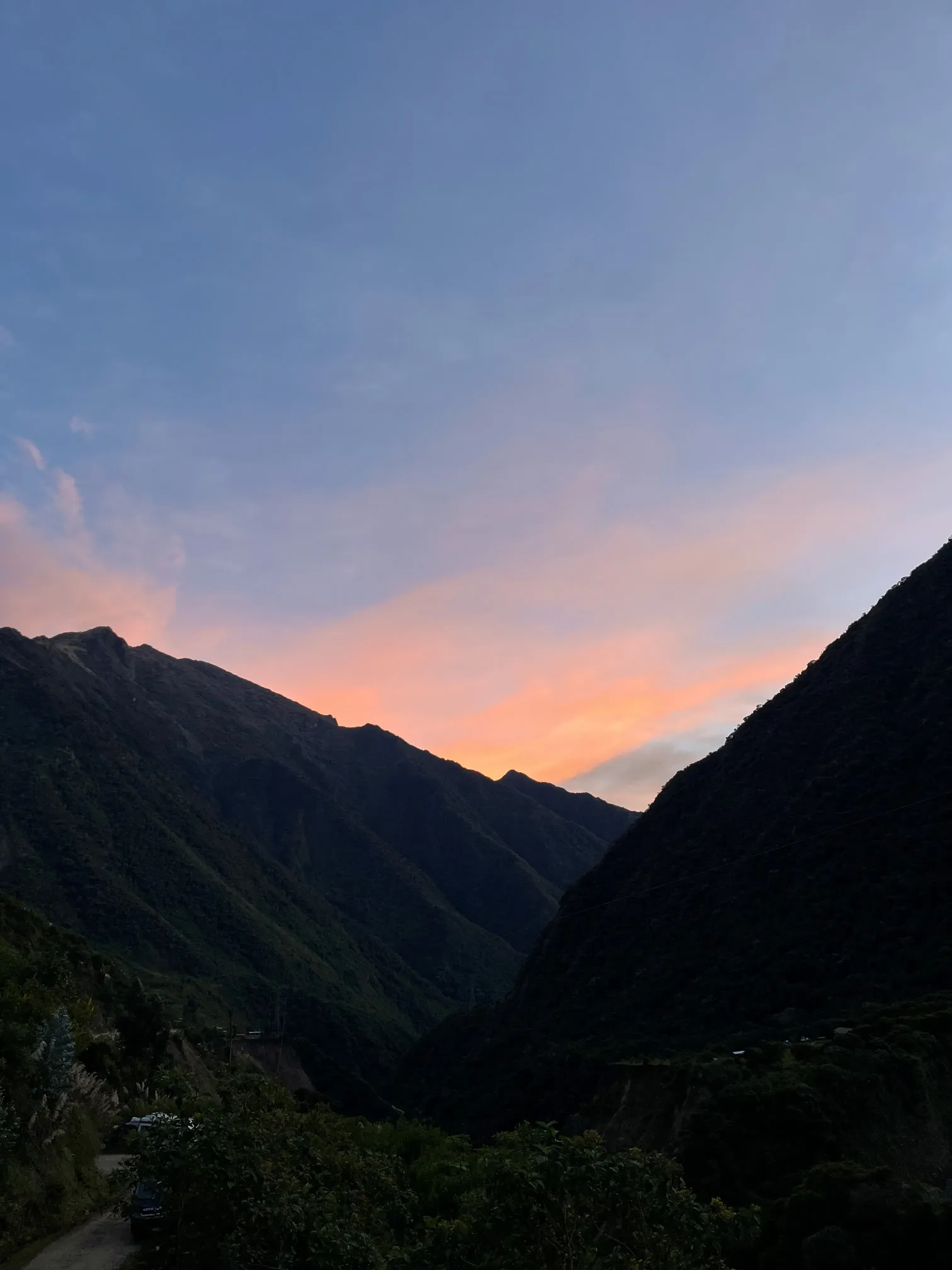
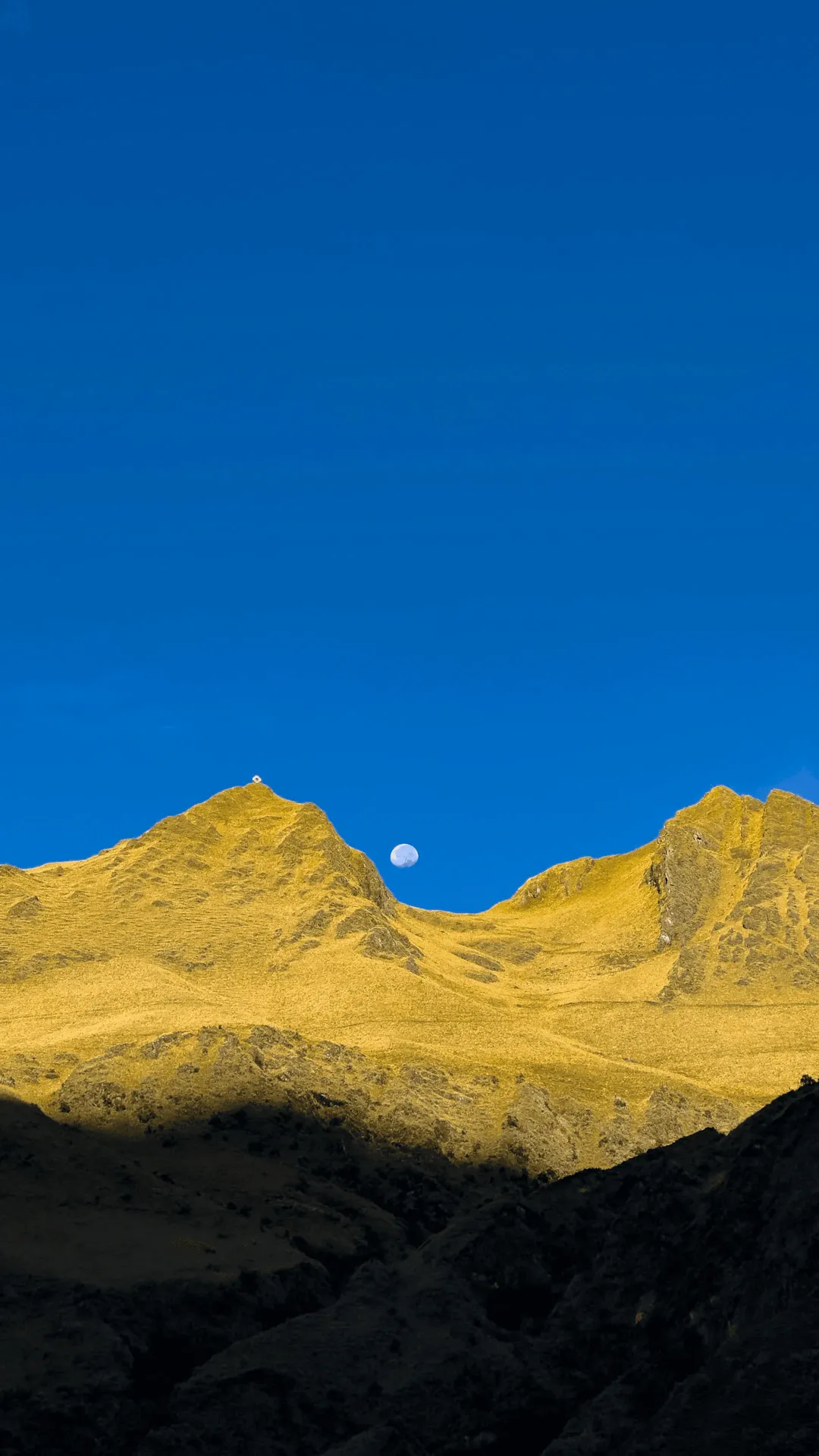
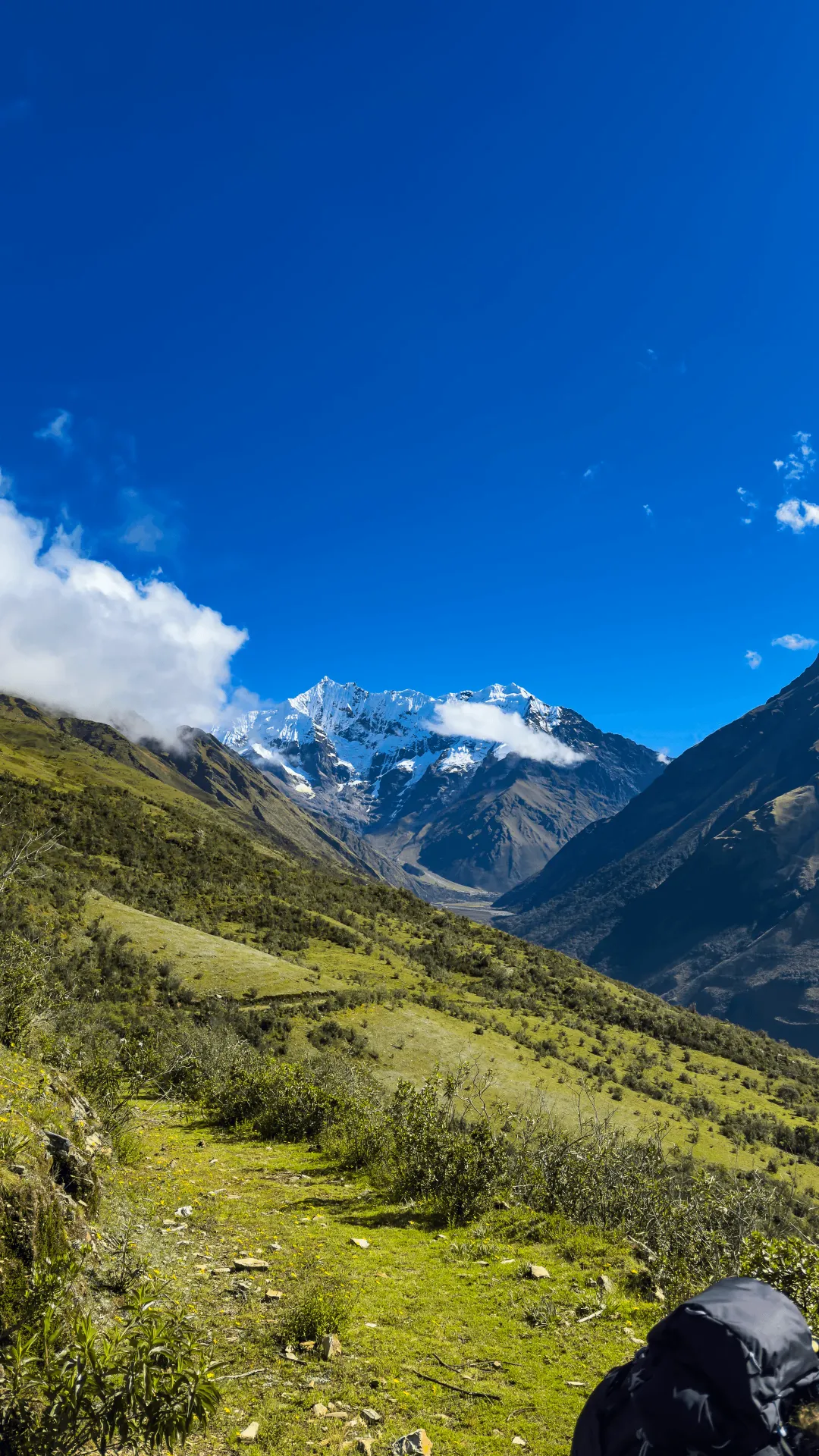
The Salkantay Trek is much more than just a simple hike in Peru. It’s a five-day journey through the most spectacular ecosystems of the Andes, starting from the glaciers of Nevado Salkantay (6,271 m) and ending in the tropical forest surrounding Machu Picchu. In just one trek, you'll go from snow-capped peaks to coffee plantations, and from turquoise lagoons to jungle rivers. Few treks on Earth offer such an incredible diversity of scenery.
Unlike the famous Inca Trail, the Salkantay Trek doesn't require permits booked months in advance, making it a huge plus if you like to keep your travels in Peru flexible. You can easily book just a few days before leaving, directly from Cusco, and it is significantly cheaper than the Inca Trail.
The Salkantay Trek is also known for being incredibly authentic. Less crowded than the Inca Trail (which is capped at 500 people per day), it offers plenty of quiet moments to yourself facing some truly grand panoramas. The campsites are more intimate, the interactions with local communities feel more genuine, and the sense of adventure is much stronger. In fact, National Geographic named it one of the top 25 treks in the world.
Accessible to anyone in good physical shape (no need to be an Olympic athlete), the Salkantay Trek is great for both experienced hikers and motivated beginners. The high point at 4,630 meters (15,190 ft) commands respect, but as long as you've properly acclimatized in Cusco, most hikers complete the trail without any major issues.
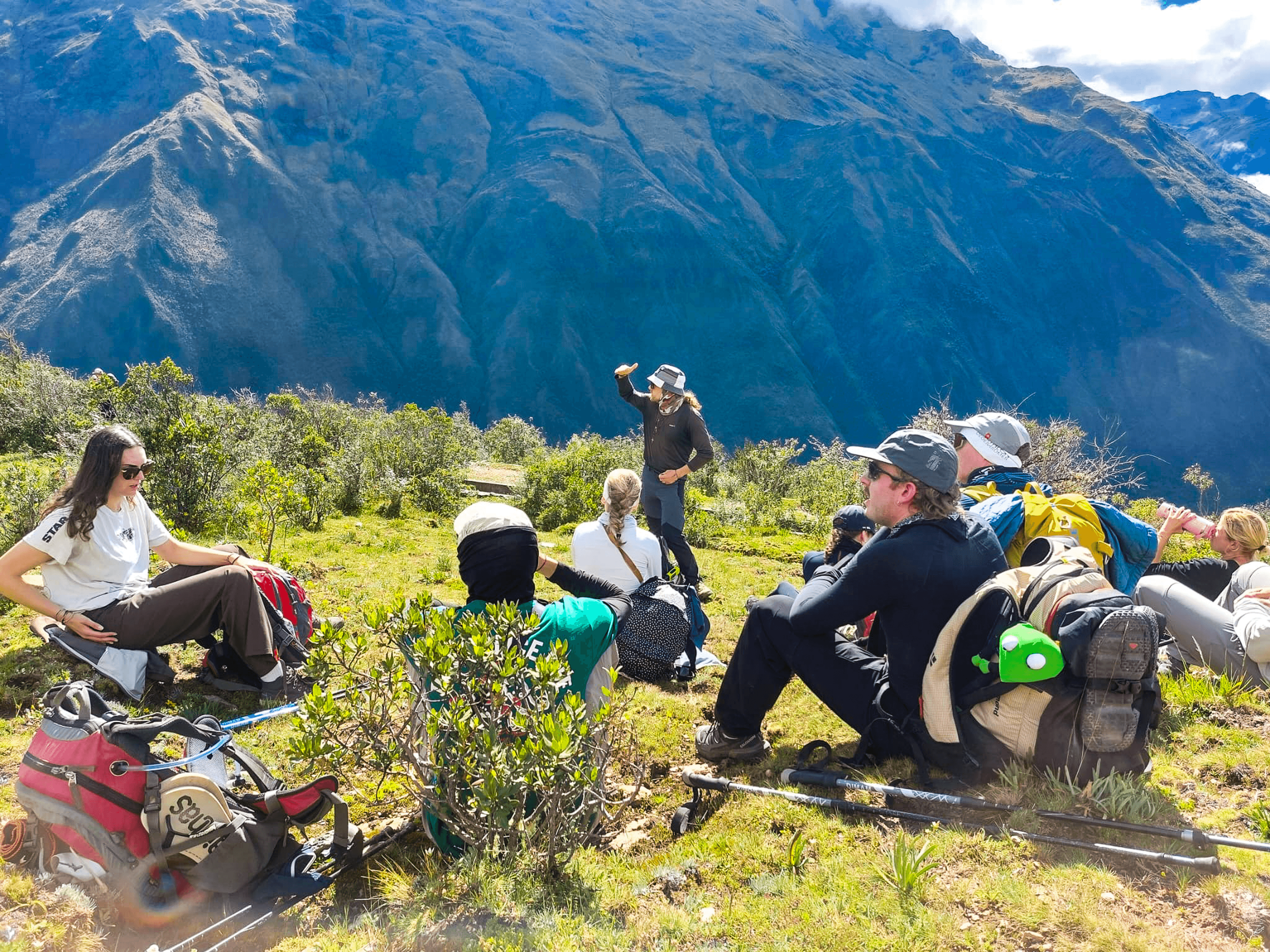
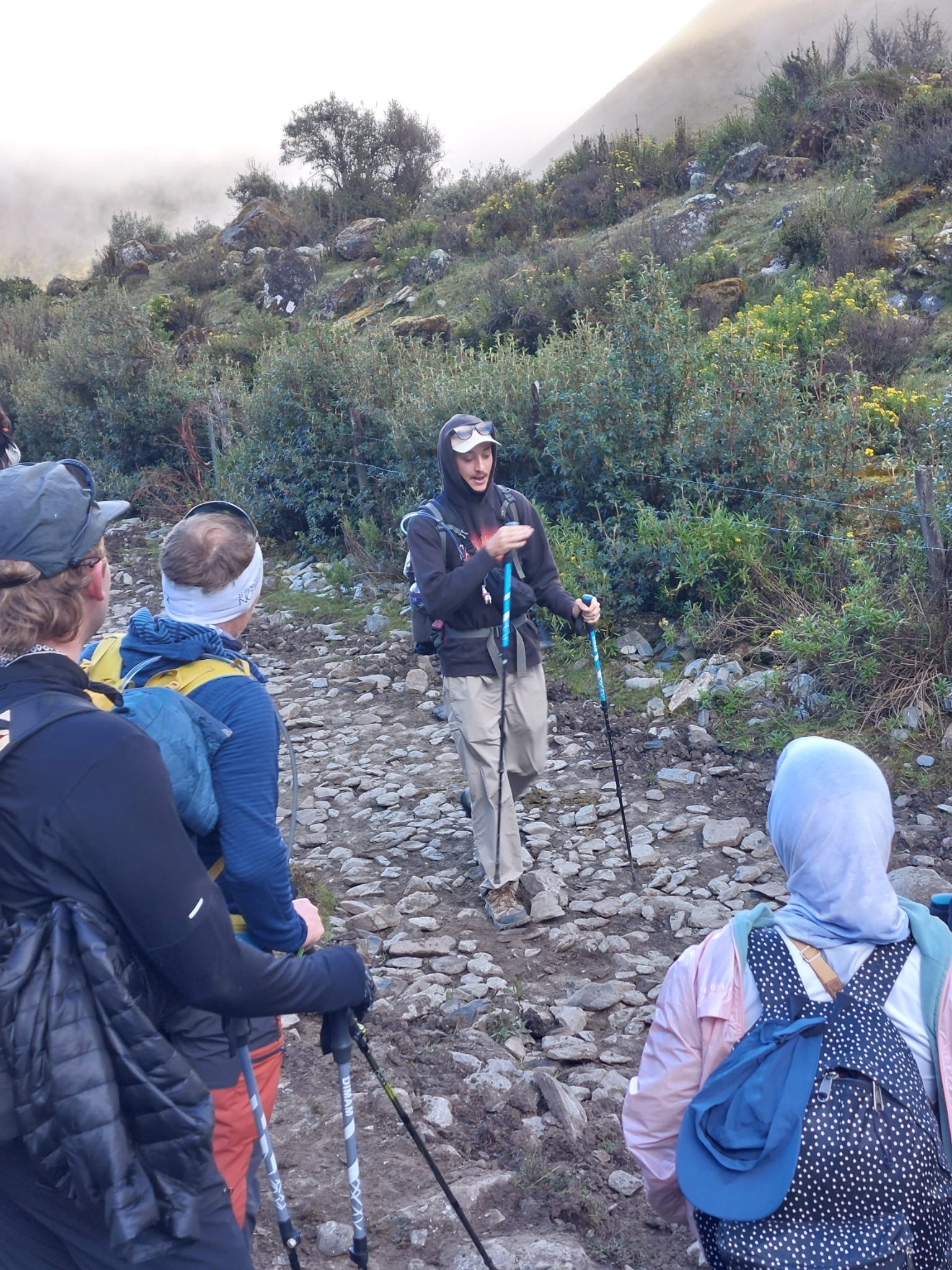
If you speak French and aren't quite sure about tackling the trek Solo, we highly recommend booking a guide—and not just any guide. Reach out to Sacred Inka Trek and ask to go with Ugo. He will literally teach you everything about Peru's history, the Andean civilization, and the Incas. It was truly one of the most memorable highlights of our entire trip. We suggest contacting him via WhatsApp. Your group will be capped at a maximum of 10 people, and you won't use pack mules, which is a big help for animal welfare (you'll see what we mean once you're out there...).
Otherwise, here is the route.
Salkantay Trek Route: A Day-by-Day Guide (5 Days)
Day 1: Cusco, Mollepata, Soraypampa, and Humantay Lake
The Salkantay Trek 5 days kicks off with an early morning drive from Cusco (3,400 m) to Mollepata (2,800 m), a charming Andean village where the trail begins. The minibus ride takes about 3 hours and winds through the Incas' Sacred Valley, offering some beautiful first glimpses of the surrounding peaks.
From Mollepata, you'll start your trek toward Soraypampa (3,900 m), your campsite for the first night. The trail climbs gradually through high-altitude meadows and pastures where llamas and alpacas graze. Plan on about 4 to 5 hours of walking to cover the 13 km with +700 m of elevation gain.
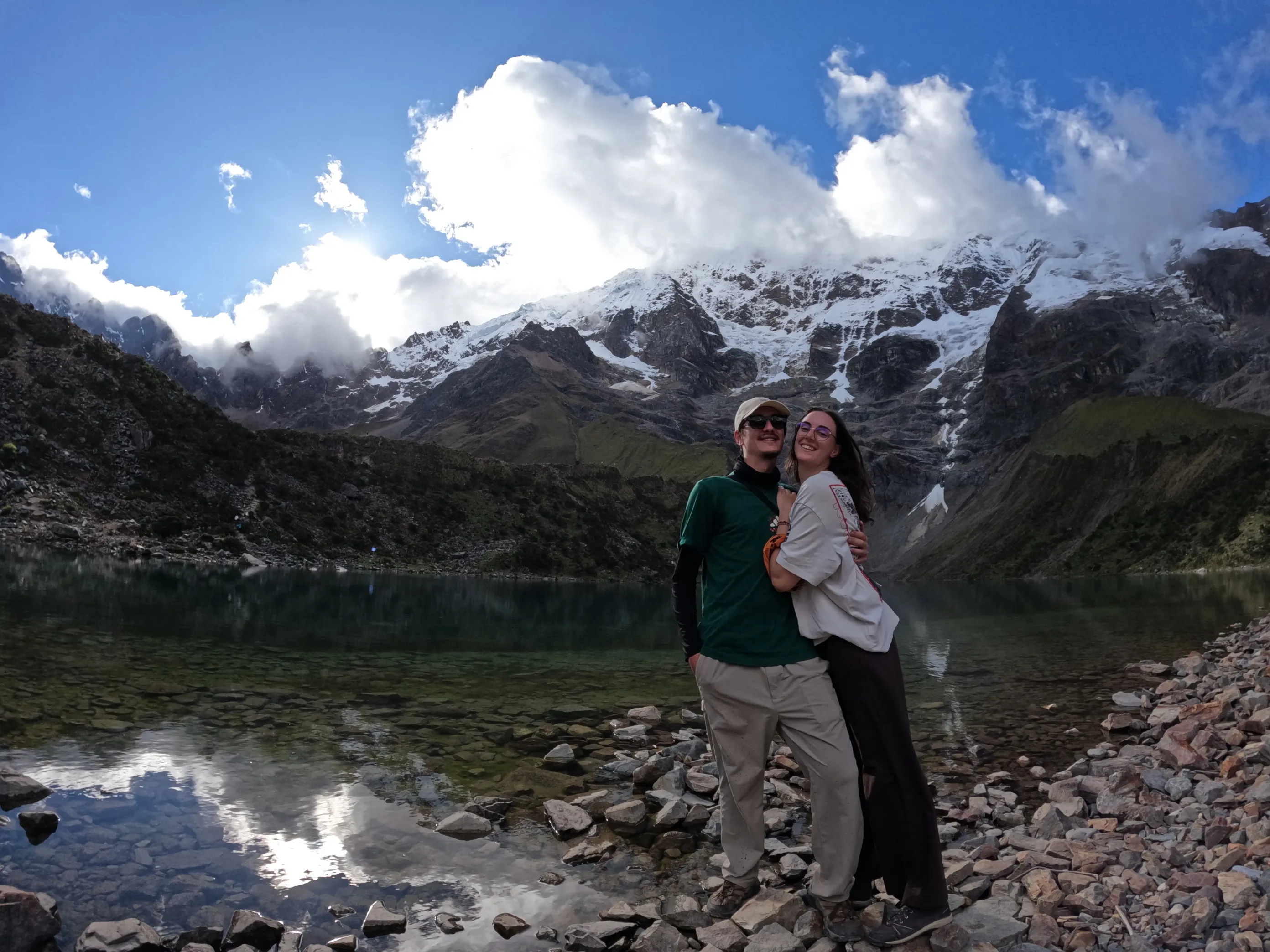
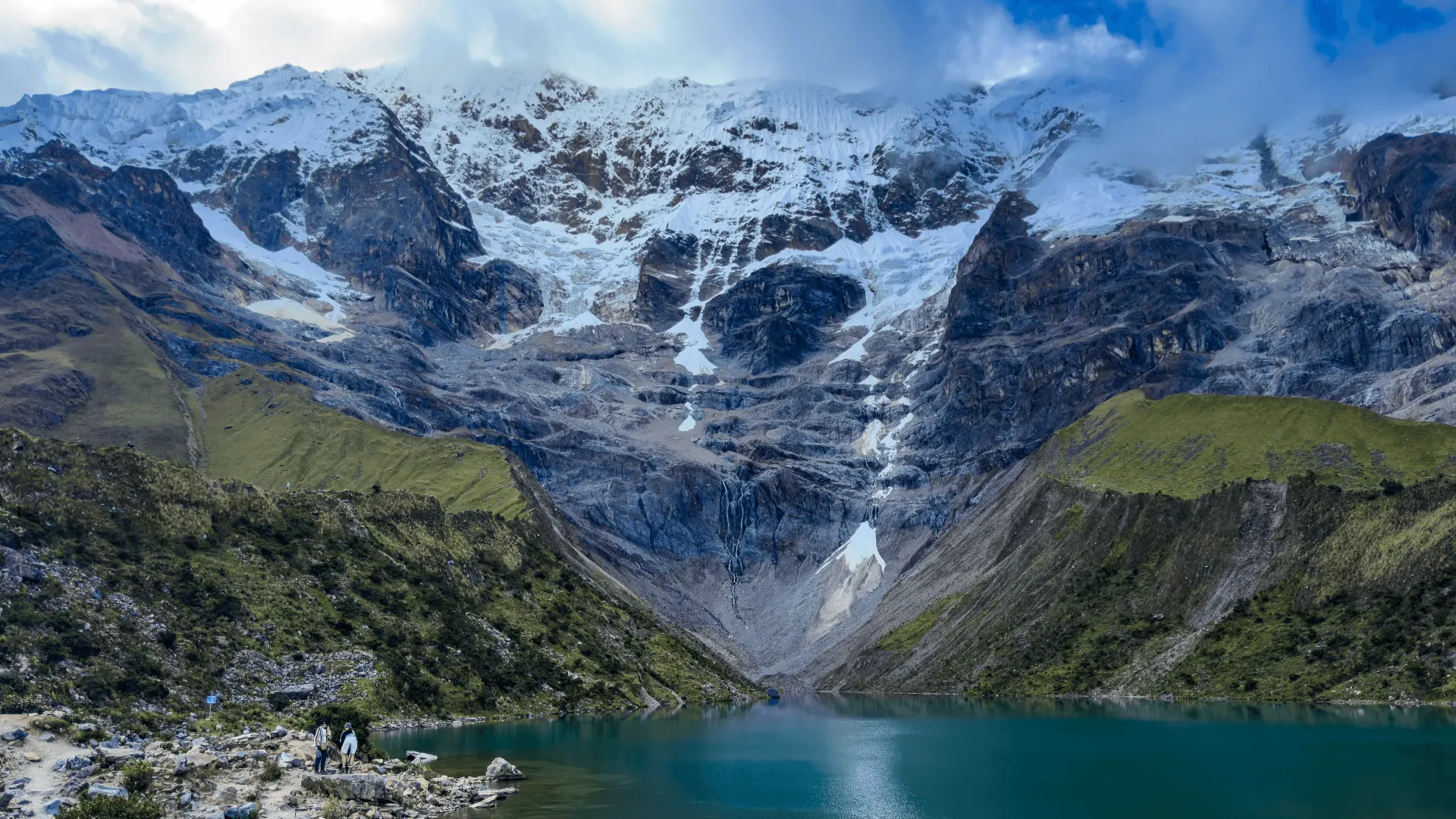
In the afternoon, a 2-hour round-trip side hike leads you to Humantay Lake (4,200 m), a glacial lake of an unreal turquoise color nestled at the foot of Nevado Humantay. This is one of the absolute highlights of the trek and a must-see photo spot. The water is freezing, the color almost dreamlike, and the mountain backdrop will take your breath away. Try to get there early to beat the crowds of day-trippers.
Day 2: Salkantay Pass (4,630 m), the ultimate stage
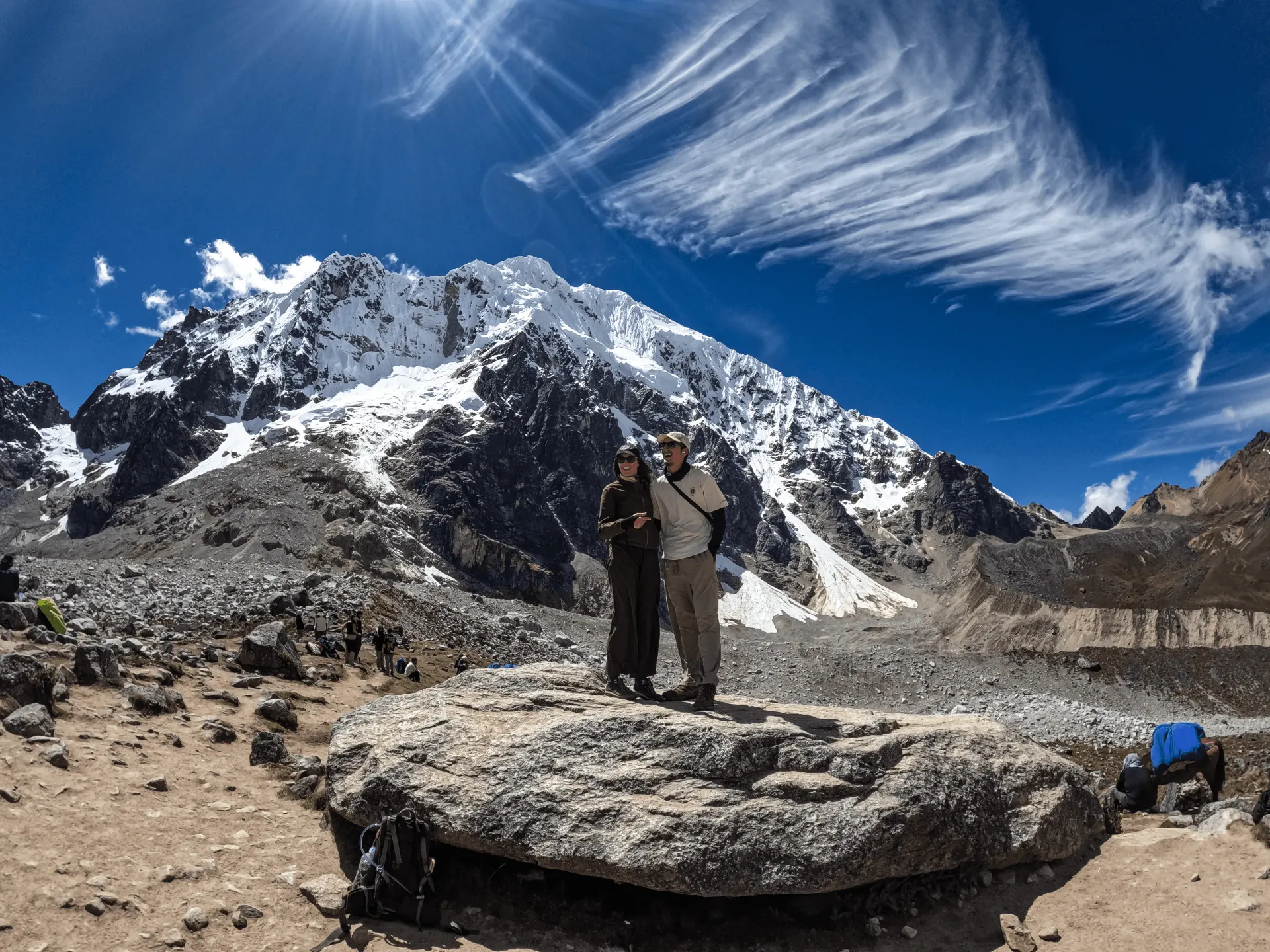
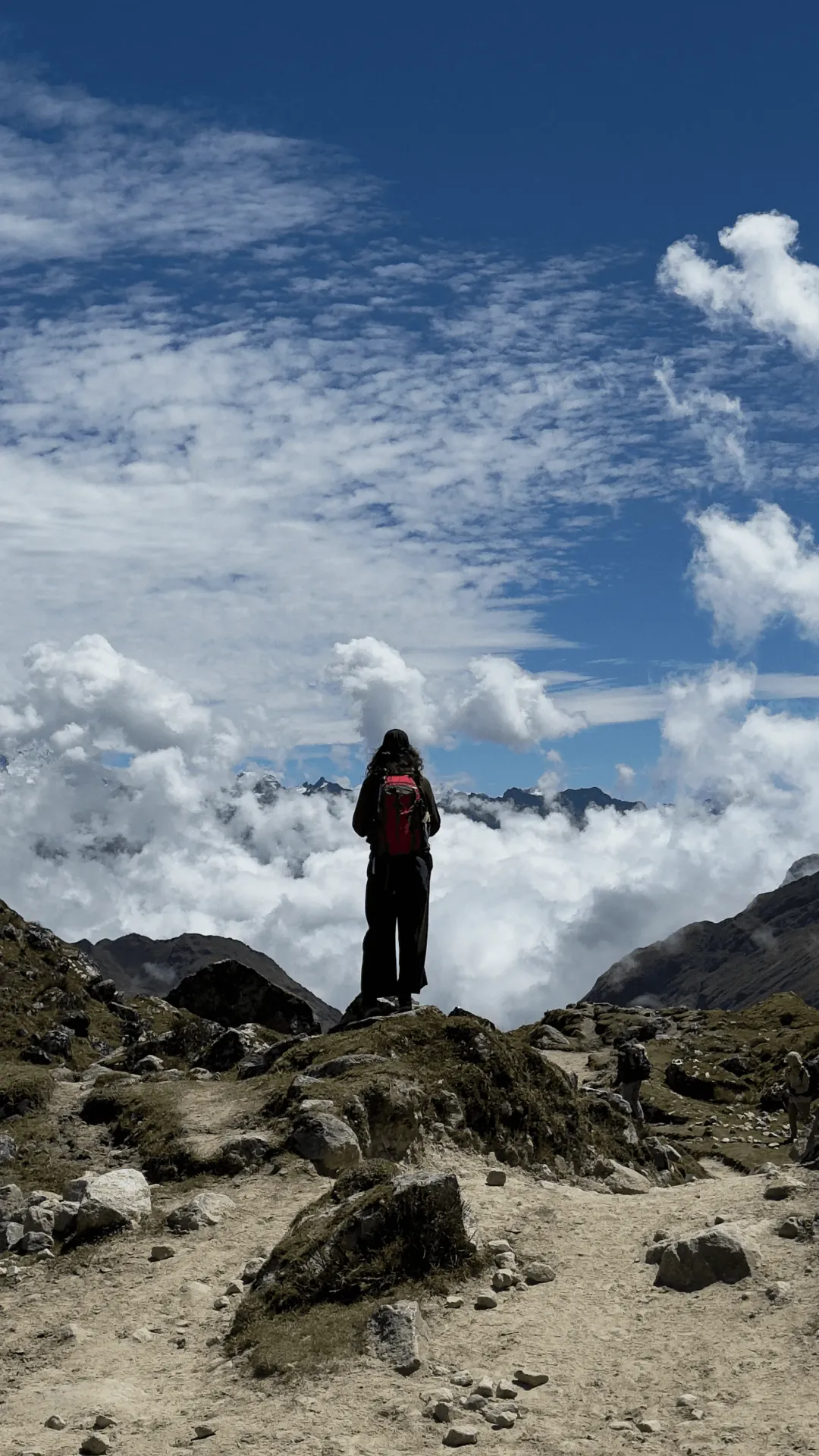
The second day is the most physically demanding and by far the most spectacular. It's an early wake-up call (around 5:00 AM) to tackle the climb up to the Salkantay Pass (Abra Salkantay) at 4,630 meters above sea level. This is the highest point of the trek. The ascent takes about 3 to 4 hours from Soraypampa, leading you through a rocky, almost lunar high-mountain landscape, with the icy peak of Nevado Salkantay towering over the horizon.
Once you reach the pass, the views are absolutely breathtaking: glaciers, 360-degree snow-capped peaks, and a deep silence broken only by the wind. It’s an incredibly moving moment for most hikers.
The trek down to Chaullay (2 900 m) is long but absolutely fascinating: in just a few hours, you trade the rocky, high-mountain terrain for increasingly lush, tropical vegetation. Orchids begin to appear, giant ferns line the trail, and the temperature warms up beautifully. Expect about 8 to 9 hours of hiking in total for the day, covering around 20 km with a 1,700 m descent.
Day 3: Rainforest, Coffee, and Pachamanca
Day three is all about a gentle transition. The trail winds its way down from Chaullay toward Lucmabamba (2 000 m) through a dense rainforest teeming with hummingbirds, butterflies, and exotic fruits. The vibe changes completely compared to the first two days: you go from glaciers to the jungle in the span of just 48 hours.
The morning hike is short (about 3 hours), which leaves plenty of time for some unique experiences. Most agencies include a visit to an organic coffee plantation, where you can taste freshly roasted coffee grown right at high altitude. Some groups also get to experience a Pachamanca, a traditional Andean feast where meat and vegetables are slow-cooked underground with hot stones, wrapped in banana leaves. It's a wonderful moment of sharing and an unforgettable culinary discovery.
The afternoon is yours to relax, take a dip in the river if the weather permits, or simply soak in the peace of the valley. Some tours offer an option to stop at the Cocalmayo thermal baths, natural hot springs that are absolute heaven for soothing your muscles after two days of intense hiking. The campsite or lodge at Lucmabamba is the most comfortable one of the trek, and you'll love the mild temperatures in the evening.
Day 4: Llactapata, first glimpse of Machu Picchu and descent to Aguas Calientes
Your fourth day kicks off with an early morning climb to the archaeological site of Llactapata (2 700 m), a lesser-known Inca complex offering a spectacular, unique bird's-eye view of Machu Picchu from the facing mountain. This exclusive viewpoint is reserved for Salkantay trekkers—regular tourists won't get to experience this. Catching your first glimpse of Machu Picchu from this distance, shrouded in the morning mist, is a moment of pure magic.
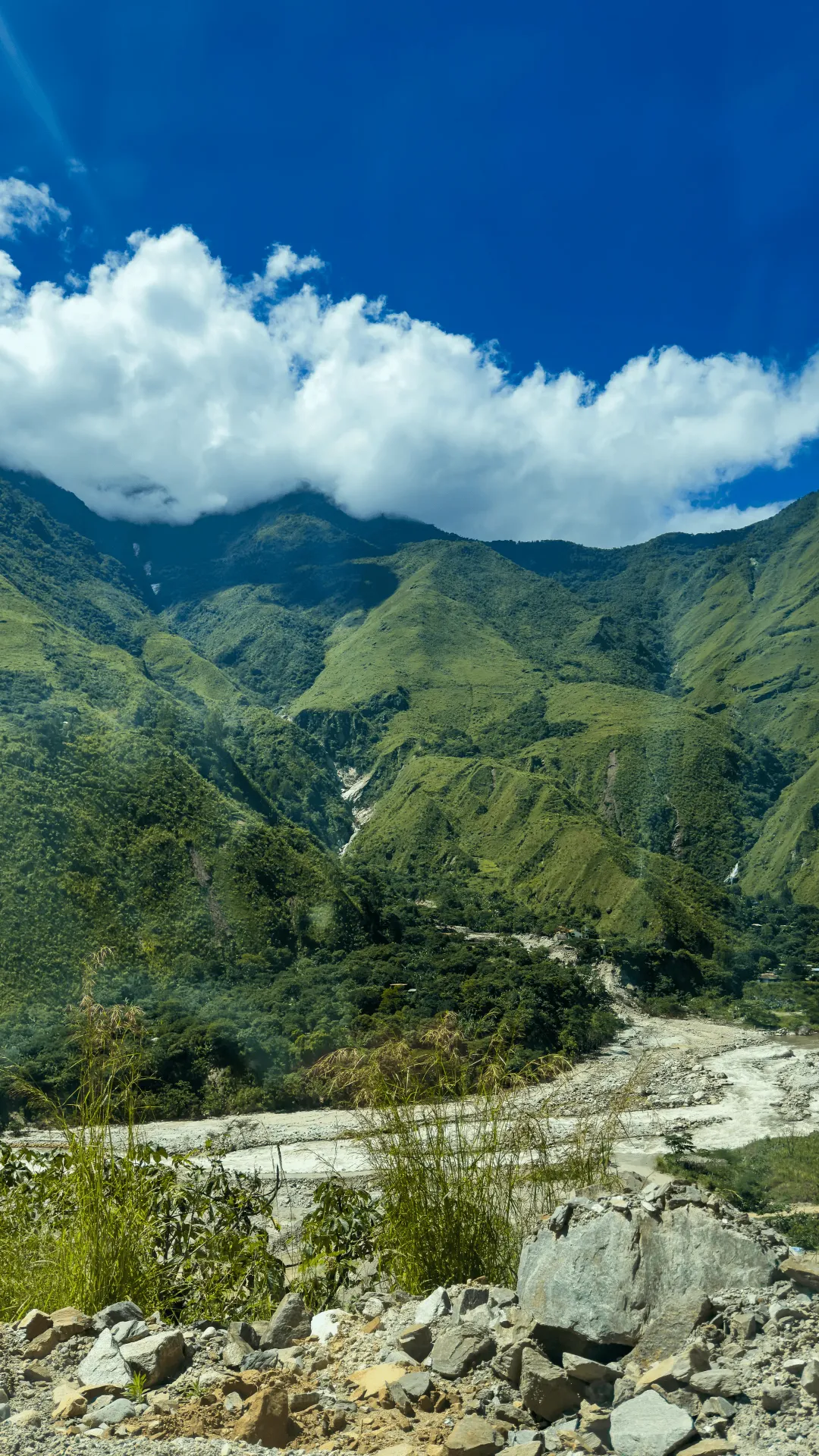
The descent continues until you reach the hydroelectric station (Hidroelectrica), where a train (or an extra 2 to 3-hour walk along the tracks) takes you to Aguas Calientes (2 040 m), the small town nestled at the foot of Machu Picchu. Arriving in Aguas Calientes marks the end of the trekking portion. It's time to enjoy some home comforts: a hotel to enjoy a hot shower, restaurants, shops, and a lively, bustling tourist atmosphere.
Your evening in Aguas Calientes is all about relaxing and enjoying a good meal. Most restaurants offer tourist menus for between 15 and 25 soles (3,50 à 6 EUR) including a soup, a main course, and a drink. It's also the time to prep for tomorrow: with a 4:00 AM wake-up call to be among the first up to Machu Picchu.
Jour 5 : le Machu Picchu, point d'orgue du trek
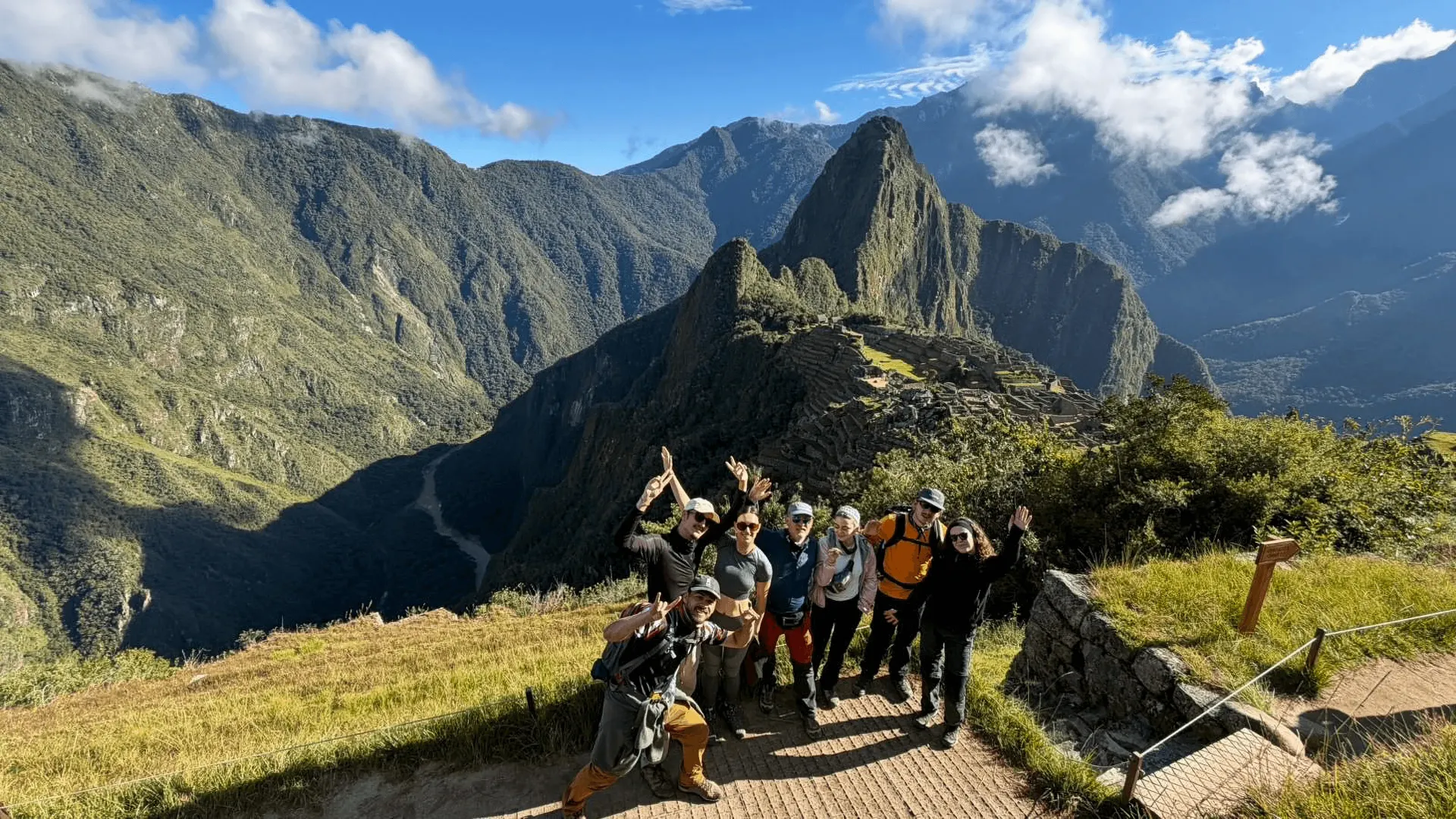
The fifth and final day is the shortest on foot, but by far the most emotional. The shuttle bus (12 USD one way) takes about 25 minutes from Aguas Calientes up to the entrance of Machu Picchu. Alternatively, you can hike up via a steep set of stairs which takes about an hour and a half. Once you reach the top, the view makes the five days of hiking completely worth it: the Inca citadel emerges from the mist, framed by the lush peaks of Huayna Picchu and Machu Picchu Montana.
The guided tour lasts about 2 hours and reveals the incredible genius of Inca engineering: agricultural terraces, temples, complex water systems, and the famous Sun Stone (Intihuatana). The entry ticket to Machu Picchu coûte 152 soles (about 37 EUR) for foreigners, and you absolutely must book your time slot in advance. If you want to add the climb up Huayna Picchu, it will cost 200 soles (49 EUR) and needs to be booked weeks ahead of time.
To head back, you'll take the train from Aguas Calientes to Ollantaytambo, then a bus to Cusco. The whole journey takes about 4 à 5 heures. Some budget-conscious travelers prefer to walk back to Hidroelectrica (for free) and catch a colectivo to Cusco to save on the train ticket (which runs between 80 et 130 USD depending on the company and class of service).
Salkantay Trek: difficulty, altitude, and physical preparation
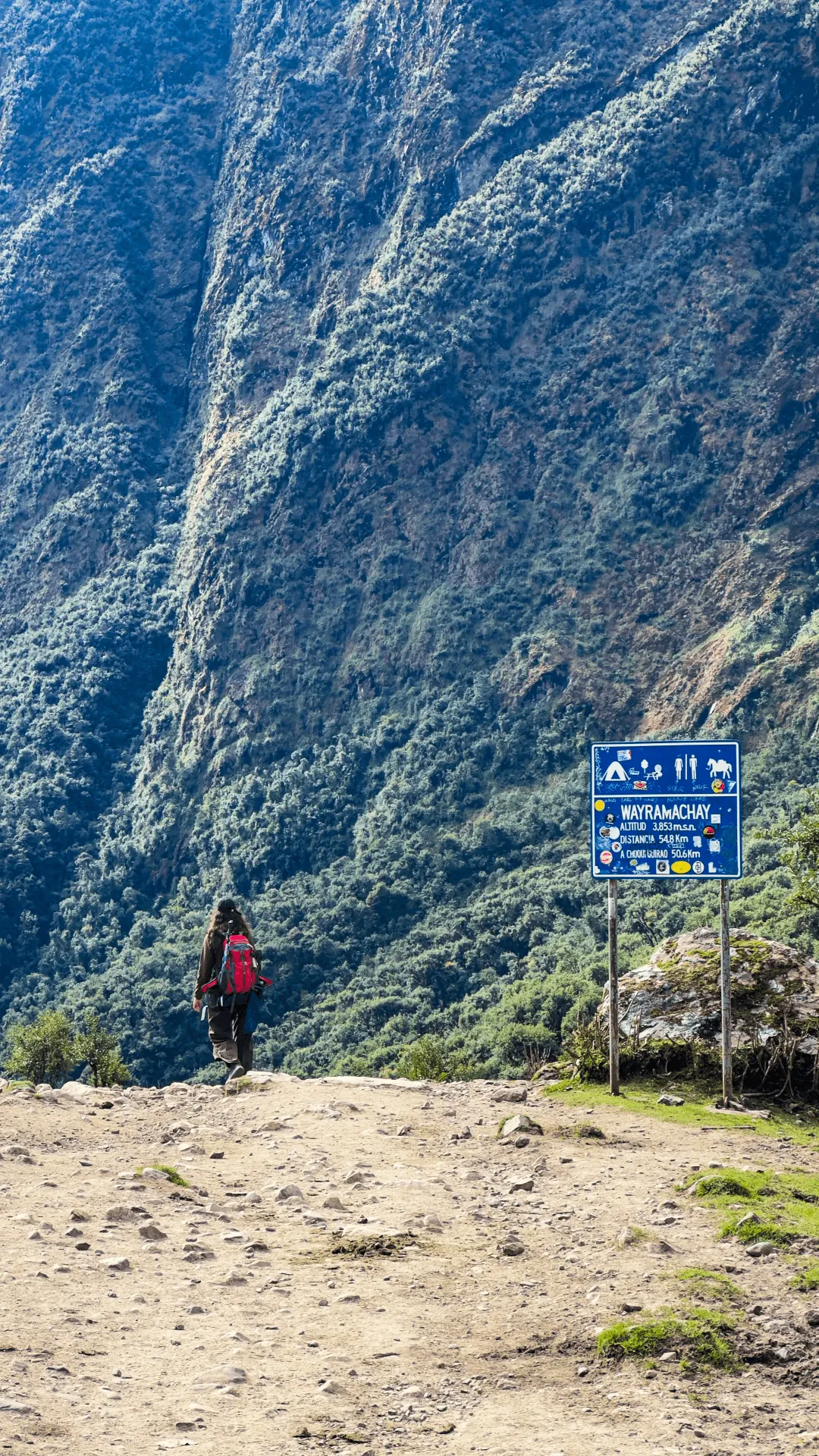
The question of how difficult the Salkantay Trek really is comes up all the time. Let's be clear: this trek is rated as moderate to challenging. It’s definitely not a walk in the park, but it is well within reach for anyone in good physical shape, even if you've never done a high-altitude trek before.
Here are the key stats to keep in mind: a total distance of 74 km, 3,700 m of total elevation gain, and a peak altitude of 4,630 m. The most demanding day is day 2 (crossing the pass), which covers about 20 km and takes 8 to 9 hours of hiking. The rest of the trek is much more gradual, with daily hikes lasting between 4 and 6 hours.
The main challenge isn't actually the physical effort itself, but the altitude. Above 3,500 m, your body gets less oxygen and has to adapt. The most common symptoms of altitude sickness (known locally as soroche) include headaches, some nausea, fatigue, and shortness of breath. To tackle this, the number one rule is acclimatization: spend at least 2 to 3 days in Cusco (3,400 m) before you hit the trail. Sip some coca tea, stay well-hydrated (drink at least 3 liters a day), and skip the alcohol.
For your physical preparation, it's best to start training 6 to 8 weeks before your trip. A great mix is cardio (running, cycling, swimming), leg conditioning (squats, lunges, stairs), and practice hikes with a loaded backpack. Your goal is to be able to hike for 5 to 6 hours carrying an 8 to 10 kg pack without feeling completely wiped out. No need to train like a marathon runner—good general fitness is more than enough.
Salkantay Trek cost: detailed 5-day budget breakdown
The Salkantay Trek price varies quite a bit depending on whether you go with an organized agency or tackle the trek on your own. Here is a detailed budget breakdown based on the 2025-2026 rates.
With an Agency (All-Inclusive Budget)
Approximate Price | |
4-day all-inclusive trek (standard agency) | 260 USD with Sacred Inka Trek, don't pay more than 400 USD |
5-day trek (premium agency) | 700 to 1,000 USD |
Machu Picchu entrance ticket (standard circuit) | 152 PEN (~37 EUR) |
Bus Aguas Calientes - Machu Picchu (round trip) | 24 USD |
Return train Aguas Calientes - Ollantaytambo | 80 to 130 USD |
Standard agencies in Cusco usually include in their price: transport from Cusco to the trailhead, a bilingual guide (Spanish-English), all meals (breakfast, lunch, dinner), tent or lodge accommodation, pack mules or porters for camp gear, and entry fees down the trail (excluding Machu Picchu itself). Premium agencies offer upgraded stays in proper cabins or luxury lodges, gourmet meals, and smaller group sizes.
In Autonomy (Self-Guided Budget)
Approximate Price | |
Accommodation (basic lodges/campsites) | 25 to 40 PEN/night (~6 to 10 EUR) |
Meals at local comedores | 10 to 20 PEN/meal (~2.50 to 5 EUR) |
Transport Cusco - Mollepata (colectivo) | 20 PEN (~5 EUR) |
Machu Picchu entrance ticket | 152 PEN (~37 EUR) |
Bus round trip Aguas Calientes - Machu Picchu | 24 USD |
Return train (or walking + colectivo) | 0 to 80 USD |
Extra food and snacks | 50 to 80 PEN (~12 to 20 EUR) |
Estimated Total for Self-Guided | 195 to 350 USD (~180 to 320 EUR) |
Going self-guided allows you to cut costs by a half or even two-thirds compared to booking an agency. On the flip side, you'll be carrying your own pack, navigating yourself (the path is well-marked but not always obvious) and missing out on the comfort of pre-arranged camps. It is really the go-to option for experienced hikers and backpackers sticking to a tight budget.
Salkantay Trek: going solo or booking a tour?
This is the big question facing every traveler planning the Salkantay Trek. Both options are completely doable, and the right choice really boils down to your style, budget, and trekking experience.
With an agency: total comfort and hassle-free logistics
Choosing an agency means handing over all the logistics. Mules carry the equipment, a cook prepares hot meals three times a day, and your guide knows the trail like the back of their hand. You only need to carry a small daypack (3 à 5 kg), leaving you free to focus on the hike and the incredible scenery. It's highly recommended for your first high-altitude trek, a family trip, or simply to enjoy the adventure stress-free.
Some of the best agencies in Cusco for the Salkantay Trek include top-rated operators: for French speakers, there's Ugo with Sacred Inka Trek; for English speakers, Alpaca Expeditions, Salkantay Trekking, or local agencies recommended by your hotel. Book directly in Cusco: prices are 30 à 50% moins chers than booking online from Europe. Be sure to compare at least three agencies and check their TripAdvisor reviews before signing up.
Traveling on your own: ultimate freedom and great savings
Tackling the Salkantay Trek on your own is completely doable and is becoming more and more popular. The trail is well-marked (just download the AllTrails app for offline GPS) and there are basic lodges and campsites scattered along the way. You're never truly in the middle of nowhere, as you'll regularly cross paths with other hikers and locals.
The catch, of course, is that you'll be carrying everything yourself: packed tent (if you aren't planning to stay in the lodges), sleeping bag, food, and water. Expect your pack to weigh around 12 to 15 kg, which makes the hike significantly tougher—especially when pushing through the high pass at 4 630 m. The big rookie mistakes to avoid are underestimating how freezing the nights get (a sleeping bag rated for -10 degrés is a must-have), running out of water on day 2, and forgetting to bring cash (you won't find a single ATM along the trail).
Hiking to Machu Picchu: arriving via Aguas Calientes
What makes the Salkantay Trek stand out among the treks in Peru is its final destination: Machu Picchu. After four days of hiking through extraordinary Andean landscapes, reaching the Inca citadel is much more than just a typical tourist stop. It is the ultimate reward for your physical and mental effort!
Approaching via the Salkantay Trek gives you a fantastic advantage: catching a glimpse of Machu Picchu from Llactapata the day before. This first, distant view from the opposite mountain builds incredible anticipation. The next morning, as you walk into the citadel, you already know what lies ahead, but seeing it up close still takes your breath away.
Gear and practical tips
In Aguas Calientes, make sure to book your Machu Picchu ticket well in advance (about 3 weeks out to be safe) on the official website (machupicchu.gob.pe). You'll have three options: Circuit 1 (the upper terraces, best for those classic postcard photos), Circuit 2 (the inner city, which is the most comprehensive), and Circuit 3 (the lower terraces). I highly recommend Circuit 2 if it's your first time. Each circuit takes about 2 hours, and spots are capped at around 4 000 par jour to protect the site.
Your Essential Gear Checklist
Sturdy, waterproof hiking boots: This is by far your most important investment. If you don't own any, you can easily rent a pair right in Cusco. If you've just bought brand new ones, be sure to break them in for at least 2 weeks before you leave. The trail is a mix of stones, mud, and steep steps, so solid ankle support is a lifesaver. A backpack (30 to 40 liters for solo hikers, or 20 liters if you're going with an agency). A comfort-rated sleeping bag down to -10 degrés Celsius for those chilly high-altitude nights. A waterproof jacket and windbreaker—mountain weather is notoriously unpredictable. Thermal layers you can easily pile on or shed: mornings and evenings are absolutely freezing, but afternoons can get quite warm. SPF 50 sunscreen and sunglasses (at least catégorie 3 protection). Telescopic hiking poles: Trust me, your knees will thank you on the steep descents. A water bottle or bladder (1.5-liter minimum) along with water purification tablets.
When to Go: The Best Season for the Salkantay Trek
The sweet spot for hiking Salkantay is during the dry season, from May to September. You'll get clear blue skies, dry trails, and spectacular views. Juillet et août are the busiest months (and also bring the coldest nights). If you want to beat the crowds, the shoulder months (April–May and September–October) offer a fantastic balance of solid weather and quieter trails.
The rainy season (November to March) makes the trek a whole lot tougher. You'll have to navigate muddy and slippery trails, low visibility, and the risk of rockfalls on certain stretches. It's still doable, but it's definitely less enjoyable and can get a bit sketchy on the exposed sections near the pass.
A Few More Practical Tips
Cold hard cash: Bring plenty of Peruvian soles in cash. The lodges, trailside Diners (comedores), and local transport don't take cards. Plan for 200 to 300 soles in small bills if you're trekking independently, or 100 to 150 soles for tips and extras if you are with a tour group.
Travel insurance: Make sure your policy covers high-altitude trekking (above 4,000 meters). Standard insurance often excludes this, so double-check the fine print before you head out. If you get hit with severe altitude sickness, getting evacuated by mule or vehicle from the campsites is possible, but it will cost you a pretty penny without insurance.
Hiring help for your pack: If you want to trek independently but dread the thought of hauling a 15 kg pack, you can hire local muleteers (arrieros) in Mollepata or Soraypampa. Expect to pay around 80 à 120 soles par jour. It's a fantastic way to enjoy the freedom of independent trekking without breaking your back. Just agree on the price before setting off and confirm exactly where you'll meet to get your bag each evening.
Our take
In our eyes, the Salkantay Trek is the absolute best way to experience Machu Picchu. We spent 4 days hiking with our guide Ugo through Andean landscapes of surreal beauty, tracking from glacier to tropics, with one of the wonders of the world as our reward. Whether you go with an agency or tackle it on your own, this trek leaves a lasting impression. It's the kind of experience that redefines what it means to travel: it's not just about arriving somewhere, but truly earning your place there.