Things to do around Baños, Ecuador: Patate, the magic village just 25 minutes away
Patate, Ecuador's very first Pueblo Mágico, is a hidden gem tucked away just 25 minutes from Baños. Packed with vibrant murals, cozy family-run restaurants, stunning waterfalls, eco-tourism, and authentic Andean cuisine, here is our complete guide to getting off the beaten path in the Ecuadorian Sierra.
Things to do around Baños, Ecuador: Patate, the magic village just 25 minutes away
Baños de Agua Santa is on the lips of every traveler crossing Ecuador. The waterfall route, the Devil's Cauldron (Pailón del Diablo), rafting on the Pastaza River: the town has become an essential stop on any Ecuador itinerary. But once you've returned your rental bike and soaked in the hot springs, what is there to do around Baños? That's where the real surprise begins.
Just a 25-minute bus ride away, tucked into a lush valley that locals call the "Valle de la eterna primavera" (Valley of Eternal Spring) because of its mild year-round weather, lies a hidden village that almost no travel blogs mention: Patate. Yes, that really is its name (and the town even has a round shape, just like a potato!). Behind this quirky name hides Ecuador's very first Pueblo Mágico, a town recognized since 2019 for its rich cultural, natural, and culinary heritage. This is a place where history is painted on the walls, meals are cooked with fresh garden-grown produce, and time seems to have stood still somewhere between the Andes and the Amazon.
Things to do around Baños, Ecuador: Patate, the magic village just 25 minutes away
Why is Patate worth a detour from Baños? Because it offers exactly what a traveler looking for authenticity is after: a real taste of local culture without the crowds, open views facing the Tungurahua volcano, and a food scene kept alive by families who have been cooking here for generations. Here is our complete guide to discovering this hidden corner of the Ecuadorian Sierra.
ECUADOR
Quito
Patate
Patate, Ecuador's first Pueblo Mágico: the valley of Eternal Spring

Before we dive into what you can do here, it's worth understanding what Patate is all about. The canton is nestled in the Tungurahua province, sitting at about 2,200 meters above sea level in a valley of the Andes. This unique location gives it a wonderful microclimate: mild temperatures year-round, usually ranging from 17 to 22 degrees, lush greenery fed by the waters flowing down from the Tungurahua volcano, and incredibly fertile soil that has made its agricultural reputation famous far beyond the province.
In 2019, the Ecuadorian Ministry of Tourism named Patate a Pueblo Mágico (Magic Town), an honor inspired by the Mexican program of the same name. This title celebrates towns that have preserved their cultural identity, architectural heritage, and living traditions. Patate was actually the very first town in Ecuador to receive this distinction, which has since grown to a network of 21 Pueblos Mágicos across the country.
How did it earn this title? Quite simply, Patate packs a punch with 45 tourist attractions: 19 cultural events and landmarks, and 26 natural sites—all tucked into a canton of under 15,000 residents. From high-altitude mountain lakes and hidden waterfalls to massive colorful murals and pre-Columbian ruins from the Panzaleo and Puruhá cultures, the sheer volume of things to see and experience here is incredible for a town this size.
The first thing you will notice when you arrive in Patate is how much of a contrast it is to Baños. Here, you won't find adventure tour offices on every corner, groups of tourists on ATVs, or loud bar music. Life moves to the peaceful rhythm of fruit sellers in the central plaza, families running the same restaurant for three generations, and local artisans keeping age-old crafts alive. It is a genuinely authentic travel experience in every sense of the word.
This label awards villages that preserve their cultural identity, architectural heritage, and living traditions. Patate was the very first village in Ecuador to receive this distinction, joining a network of 21 Pueblos Mágicos across the country.
Why this title? Because Patate packs a real punch with 45 tourist attractions: 19 cultural events and 26 natural sites, all in a canton of under 15,000 inhabitants. From high-altitude lagoons to hidden waterfalls, monumental murals to pre-Columbian relics of the Panzaleo and Puruhá cultures, the density of things to see and experience here is incredible for a village of this size.
What strikes you most when you arrive in Patate is the contrast with Baños. Here, you won't find adventure agency offices on every corner, quad-biking groups, or loud music pumping from bars. The pace of life revolves around the fruit sellers in the central park, families running the same restaurant for three generations, and artisans keeping ancestral skills alive. It’s an authentic travel experience in the truest sense of the word.
The murals of Pasaje Soria: the history of Patate painted on the walls
If there is one spot that truly captures the soul of Patate, it is Pasaje Soria. Located just steps from the central park, this passage is home to a series of monumental murals hand-painted by local artist Geovanny Mosquera. This is not just decorative street art; it is a true open-air history book, bringing the canton's rich identity to life in vivid color.
The murals unfold like chapters of a story. The first panels depict the region's pre-Columbian history: the Panzaleo and Puruhá cultures that lived in these valleys long before the Incas arrived, followed by Spanish colonization and the founding of the canton. You will also see the hand of nature, with visual tributes to the earthquakes that left a deep mark on the collective memory—particularly the devastating 1949 quake—and the rebuilding that forged this community's resilient spirit.

Other panels celebrate the agricultural economy that is the pride of Patate: the vineyards (yes, grapes in Ecuador!), mandarins, avocados, corn, and sugar cane. The artist beautifully captured this intimate bond between the people and their land, a fertility that earned the canton its nickname "Valley of Eternal Spring". The local cuisine is also spotlighted: physical arepas, chicha de uva (a fermented grape drink), and espumillas (fruit meringues)—all flavors you can taste for yourself just a short walk from the murals.
The last panels dive into the folklore and religious traditions. The festival of Señor del Terremoto (Lord of the Earthquake), held every February, is the beating heart of local life. This religious celebration, blending Catholic devotion and Andean rituals, brings the entire canton together for processions, traditional dances, and community feasts. It's a wonderful example of Andean syncretism, the kind of cultural mixing you'll see all along the Andes.
Nature gets its turn too: entire panels showcase the local flora and fauna, hummingbirds flitting through gardens, the Tungurahua volcano watching over the valley with its unmistakable shape, and hiking trails leading to hidden waterfalls. If you're short on time, the Pasaje Soria is the perfect snapshot of everything Patate has to offer.
The best things to do in Patate: from waterfalls and lagoons to the Tungurahua volcano

1. Patate Gardens ⭐ 4.5/5
A flattened mountaintop originally meant for a neighborhood, now home to a massive park filled with pine trees and native flora. It is the perfect starting point for an aerial view of the city. On weekends, locals gather here to chat, kids play around the artificial lake, and you can even grab a bite to eat. It is also from this park that you can catch a glimpse of the Tungurahua peaks on a clear day—a view well worth the trip.
Access: 1,5 dollars · 10am-5pm 📍 Google Maps
2. Cascada de Mundug ⭐ 4.7/5
Considered the natural treasure of Patate, this waterfall features two crystal-clear cascades nestled in a lush, green setting. The trail to get there is about a 45-minute walk—and all flat, I promise!—winding through an Andean forest where you can spot a wonderful variety of birds, including several species of hummingbirds. Managed as an ecotourism zone, the site has a genuine focus on preservation. It’s the perfect spot for hiking, wildlife viewing, and nature photography. Handy tip: head out early in the morning to catch the mist enveloping the falls, which gives the place a truly magical atmosphere. There is also a lovely little café waiting for you at the entrance with very reasonable prices.
Access: We didn't pay any entry fee · Open during the day 📍 Google Maps
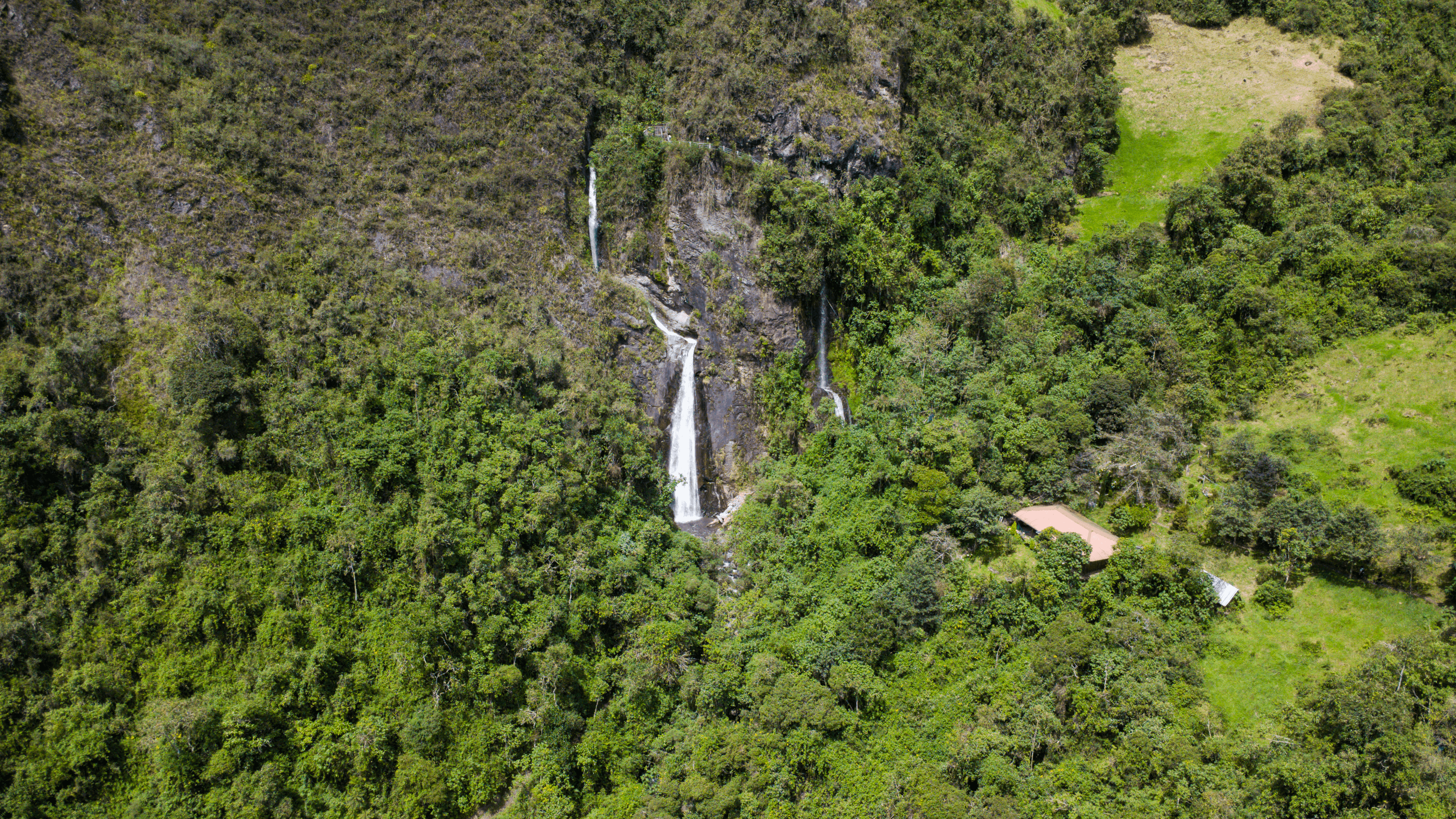
3. The community-minded TASIN café ⭐ 4.9/5
Located right at the start of the hiking trail to Cascada de Mundug, TASIN café is a place that will truly touch your heart. Here, along with enjoying delicious hot and cold drinks at super pocket-friendly prices, you can actively help conserve the local plant life. Patate actually suffers from maize monoculture, which has taken a toll on the entire ecosystem. Because of this, the founder of TASIN had a wonderful idea: purchase the land behind his café to plant only native trees and plants. And he needs a helping hand to do it! For a small contribution, you can plant a tree or a shrub, become its official godparent, and receive monthly updates on how your plant is doing!
A delicious treat and a good deed—it's everything we love!
Access: Open Monday to Sunday 📍 Google Maps
4. Museo Religioso y Arqueológico Señor del Terremoto ⭐ 4.3/5
This small museum, housed inside the main church, displays artifacts from the pre-Columbian Panzaleo and Puruhá cultures, who inhabited the region long before the Incas arrived. Ceramics, tools, and textiles make up a modest but incredibly educational collection. The religious art section features colonial oil paintings and beautifully carved wooden saints, alongside the ceremonial garments of the Señor del Terremoto. It's a quick 30 to 45-minute visit that helps you understand the historical layers of this valley. If you enjoyed seeing the Inca ruins during a walking tour in Cusco, this museum will give you a great complementary look at the pre-Inca civilizations of the Sierra.
Access: 1 USD · Open Monday to Saturday 📍 Google Maps
5. Lagunas de San Borja ⭐ 4.6/5
For hikers looking to gain some altitude and enjoy stunning panoramas, the lagunas de San Borja are an absolute must. This natural lake system, perched high up in the páramos (alpine grasslands), offers wide-open views of the Tungurahua, Chimborazo, Cotopaxi, and Carihuayrazo volcanoes. Legend has it that Copete San Borja, the hill overlooking the lakes, served as a strategic refuge for the army of Rumiñahui, the Inca general who resisted the Spanish conquistadors. Be sure to plan a full day for this excursion, bring plenty of warm layers (it gets quite chilly up there), and pack lots of water. Hiring a local guide is highly recommended for the less-frequented trails.
Access: Free · Full day recommended 📍 Google Maps
6. Pasaje Soria (Murals) ⭐ 4.8/5
This passage is a lovely cultural highlight right in the heart of Patate. The murals painted by Geovanny Mosquera tell the entire history of the region across about twenty colorful panels. Give yourself 20 to 30 minutes to wander through and take it all in. The alley is open to visit at any time of day.
Access: Free · 24/7 📍 Google Maps
Patate is a wonderful surprise, especially when it comes to the quality of its food scene. In a village of this size, you'd expect to find just a few basic comedores. Instead, you'll discover about a dozen restaurants, all run by local families, each with its own specialty and unique character. The "Pueblos Mágicos: Visita nuestros rincones mágicos" sign near the central park lists the best spots with handy QR codes. We tested quite a few of them ourselves, and here are our top recommendations—all for under 15 USD per person (less than 14 €).
Where to eat in Patate: 100% recommended spots
1. La Casta Restaurante ⭐ 5/5
If there's just one restaurant that captures the true spirit of Patate, it has to be La Casta. Run by the same family for over 20 years, this place is a real cornerstone of the local community. The menu changes daily but is always top-notch, featuring a variety of traditional dishes: the locro de papas (a classic potato soup from the Sierra region) is hearty and comforting, and our personal favorite is the chicken in mushroom sauce served at lunch, which tastes just like a delicious, home-cooked French meal. Breakfast and dinner are just as wonderful. What truly sets this place apart, though, is the hospitality—the service is warm and attentive, and they always take the time to run you through the menu and recommend the daily specials. La Casta also doubles as a hotel (we'll cover that in the accommodation section below), making it a perfect all-in-one spot to base yourself in Patate.
Open Wednesday to Sunday 📍 Google Maps

2. Blé by Sahe (Crepería Sahe) ⭐ 4.7/5
What was once an old, traditional patateña house has been tastefully transformed into a charming crêperie and café. The interior truly keeps the soul of the original home: a wood-fired oven sits right in the center of the room, stone walls are accented with contemporary touches, and the vibe is cozy and welcoming without trying too hard. The menu features sweet and savory crêpes made with local ingredients (like fresh valley fruits and regional cheeses), paired with Ecuadorian craft beers. It's a great spot for a casual lunch or a mid-afternoon treat. This family-run business is a perfect example of the new generation of patateño entrepreneurs who are breathing new life into local heritage while keeping its spirit alive.
Budget: 5 to 10 USD · Open Thursday to Sunday 📍 Google Maps
3. Valle del Río Restaurante ⭐ 4.8/5
Another pioneer of the local culinary scene, Valle del Río has managed to turn the classic trout à la parrilla into a true local benchmark. The restaurant raises its own trout in ponds fed directly by the adjacent river. The chef, who is nationally recognized and also collaborates with tour companies in the Galápagos Islands, brings a level of care that really stands out for a village of this size. It's also great to see that the restaurant actively promotes organic produce and works to reduce plastic use. This eco-friendly approach perfectly aligns with the responsible travel values we hold dear.
Budget: 8 to 15 USD · Open Friday to Sunday 📍 Google Maps
4. The Terraces Patate ⭐ 4.7/5
Perched on a mountain ridge overlooking the village, The Terraces offers what is probably the best unobstructed view in Patate. The concept was born from the passion of a British traveler who fell in love with the valley and decided to settle here. Pizzas and international dishes are served alongside local craft beers, in a setting where every table seems placed to maximize the panorama. It's the perfect spot for a lunch with friends or a romantic sunset dinner, with the Tungurahua volcano as your backdrop.
Budget : 8 à 14 USD · Ouvert du vendredi au dimanche 📍 Google Maps
5. La Nevada Snack Bar ⭐ 4.4/5
The veteran of Patate's food scene, running for over 30 years. Located right in the center, La Nevada is the go-to spot to try local specialties on a budget: hornado (roasted pork), chochos con tostado (lupin beans with toasted corn), and especially their famous artisanal ice creams made with local fruits. It's the kind of place you simply can't miss—literally, it's right on your way as you enter the village.
Budget : 2 à 6 USD · Ouvert tous les jours 📍 Google Maps
6. El Valle Restaurante ⭐ 4.5/5
A spot that stands out for its unique menu in Patate: authentic seafood paellas and "surf and turf" dishes. If you've been eating Andean mountain food for weeks on the road, El Valle offers a very welcome change of pace. The menu also features grilled meats and delicious homemade desserts. You'll find it near the central park, on the way to the botanical market and tourist complex.
Budget : 7 à 13 USD · Ouvert du jeudi au dimanche 📍 Google Maps
7. La Montaña Restaurante ⭐ 4.6/5
If you're looking for an unforgettable experience, La Montaña is the place to go. This panoramic restaurant offers breathtaking views of the mountains and the Tungurahua volcano. The house specialty is the trucha en salsa de mandarina (trout in mandarin sauce), a dish that perfectly captures the local flavors of Patate: fresh river trout paired with sweet mandarins grown right in the valley. They also offer nicely equipped glamping tents if you want to extend your stay.
Budget : 8 à 15 USD · Ouvert du vendredi au dimanche 📍 Google Maps
Where to stay in Patate: La Casta, our tried and tested recommendation
Patate isn't (yet) a destination where you'll find accommodation options at every turn. And that's actually a good thing: it keeps the village's local character intact. While most travelers just make a day trip of it from Baños, we highly recommend taking your time and staying the night. Patate's true pace is best enjoyed in the morning, as the village slowly wakes up, and in the evening, as the light fades over the valley.
La Casta Hotel ⭐ 5/5
We spent three nights here as a couple, and it was exactly what we were looking for: a quiet spot to catch our breath for a few days after the hustle and bustle of Baños. The hotel sits slightly uphill, surrounded by trees and fields, offering a clear view over Patate and the valley. Right from the start, the whole team went out of their way to make us feel welcome, and that warmth lasted our entire stay.

The rooms are modern, clean, with daily housekeeping and reliable Wi-Fi (which is no small feat in the Ecuadorian highlands). A laundry service is also available, which comes in really handy when you've been traveling with a backpack for several weeks.
The real highlight of La Casta is the heated pools: several well-maintained pools, including a semi-outdoor one where we could unwind after a day of hiking. When you get back from the Cascada de Mundug or the lagunas de San Borja, it’s exactly the kind of detail that makes all the difference.
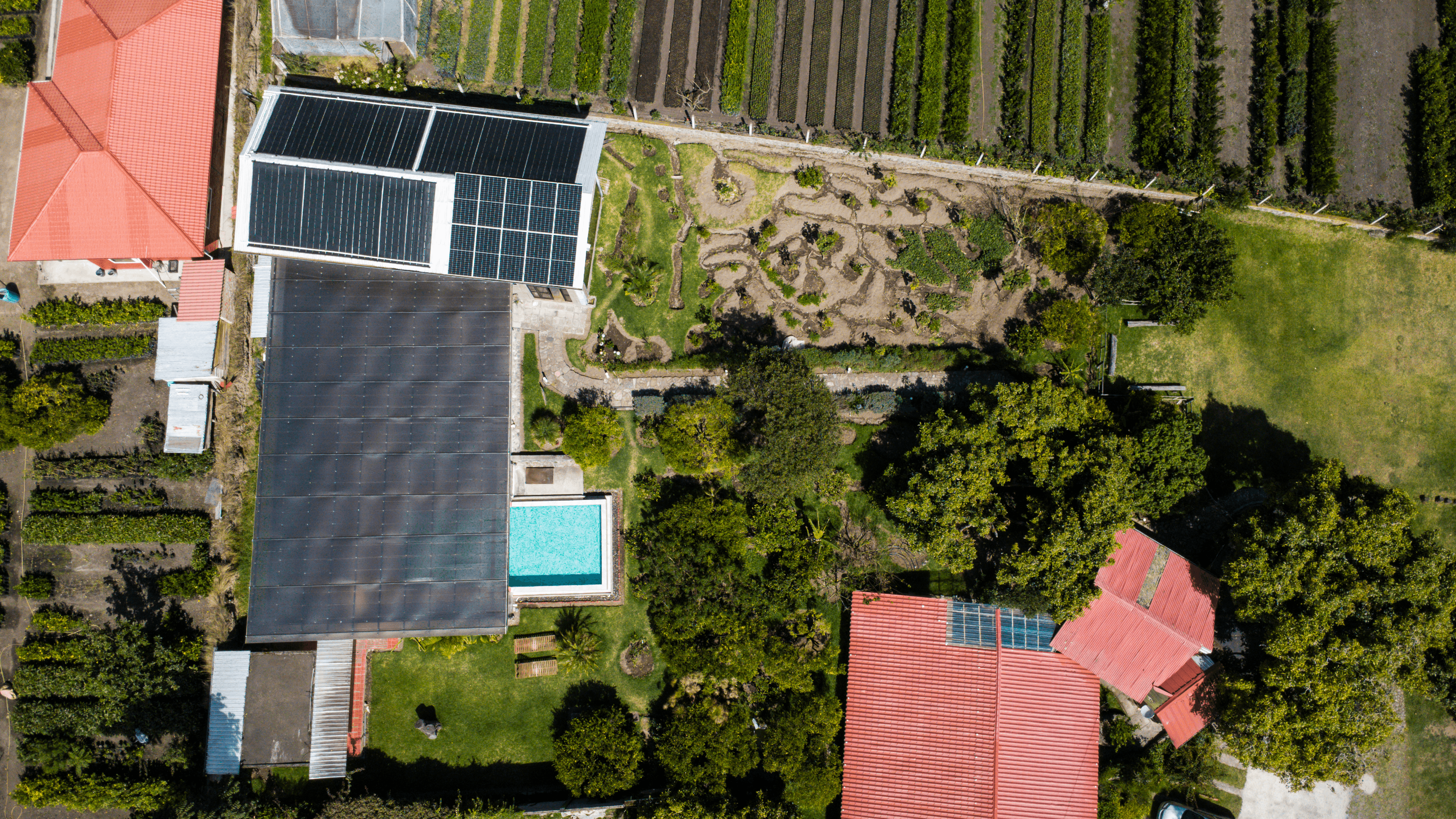
As for food, no need to look elsewhere: the hotel restaurant (described above) offers daily changing dishes, from breakfast to dinner. We highly recommend La Casta especially to couples and anyone needing to recharge, but also to families: the place is quiet, safe, and child-friendly. Baños is just 30 minutes away if you get the itch for rafting or mountain activities again. It's the kind of spot where you find yourself saying you'd go back in a heartbeat.
Bottom line: we 100% recommend it 📍 Google Maps
How to get to Patate from Baños: a guide to traveling responsibly
Getting to Patate from Baños is an absolute breeze, and that's great news because the journey is all part of the experience. You have several options, all over land (staying true to our philosophy of prioritizing overland travel whenever possible).
By local bus
This is the most budget-friendly and authentic option. Buses run regularly from the Baños bus terminal toward Pelileo or Ambato, and stop in Patate (Station de Bus). The ride takes about 25 to 35 minutes and costs less than 0,50 USD. Buses are frequent during the day (every 20 to 30 minutes). Just ask the driver to drop you off in Patate. This is the transport option we highly recommend: it's quick, cheap, and plunges you right into daily Ecuadorian life. Don't forget to download the right travel apps to track your route offline. Though the driver will surely let you know when it's your turn to get off!

Responsible travel in Patate
Patate naturally embodies the spirit of responsible travel, and that’s no coincidence. Here are a few simple habits you can adopt to make sure your visit truly benefits the local community.
Choose family-run restaurants over big chains (which, to be honest, you won't find in Patate anyway, and that's a real relief). Every meal you enjoy at La Casta, Valle del Río, or Blé by Sahe directly supports a local family. Also, head to the central park market to buy your fruit and souvenirs instead of the tourist shops in Baños: the mandarins, avocados, and grapes in Patate are grown just a few miles away, and they cost next to nothing.
When it comes to waste, management is still a challenge in rural Ecuador. Pack out your non-biodegradable trash, especially if you're hiking up to the Cascada de Mundug or the lagunas. Bring a reusable water bottle: safe drinking water is easy to find in town, and you’ll save on single-use plastic. Finally, hiring a local guide for high-altitude treks directly supports the residents who have known these mountain trails since childhood. It’s a wonderful form of connection and cultural exchange that enriches everyone involved.
Patate: the Ecuadorian Sierra's best-kept secret
The dry season, from June to September, is the perfect time to explore the nature around Patate. The trails are much easier to hike, you get clearer views of the Tungurahua volcano, and the weather stays lovely (around 20 degrees during the day). That being said, the valley's unique microclimate makes Patate wonderful to visit year-round, which is how it earned its nickname, the "Eternal Spring."
For a great day trip from Baños, head out in the morning, visit Pasaje Soria and the museum early on, and grab lunch at one of our recommended spots. You can then spend the afternoon checking out the Cascada de Mundug or wandering through the valley’s orchards. If you have two days, add the San Borja lagoons (a full-day trip) and enjoy a sunset dinner at The Terraces or La Montaña.
Patate is one of those destinations that belongs right at the top of any bucket list of authentic experiences—not for snapping selfies in front of famous monuments, but for the genuine encounters, local flavors, and discoveries that change how you see a country. If you have the time to explore further after Baños and Patate, the Ecuadorian Sierra is full of other off-the-beaten-path villages that deserve just as much attention.
So, if you're wondering what to do around Baños in Ecuador, the answer is simple: Patate.
This magical village, just a 25-minute bus ride away, offers everything a curious traveler looks for: a living heritage painted on the walls of Pasaje Soria, hearty and delicious local food, untouched Andean landscapes of waterfalls and volcanoes, and above all, a relaxed pace of life that you often miss in busier tourist spots.
You won't find Patate in almost any English guidebooks, which is both its charm and what makes it special. By visiting, you are helping support a community that deserves appreciation without being overwhelmed. Perhaps that is the real essence of responsible travel: discovering places that aren't looking to be crowded, but simply to be appreciated. If you are adding Baños to your Ecuador itinerary, don't make the mistake of skipping Patate. You can thank us later.
And if you have already visited Patate, or are planning to go soon, we'd love for you to share your discoveries with us. After all, the best travel advice always comes from those who have walked the path before.