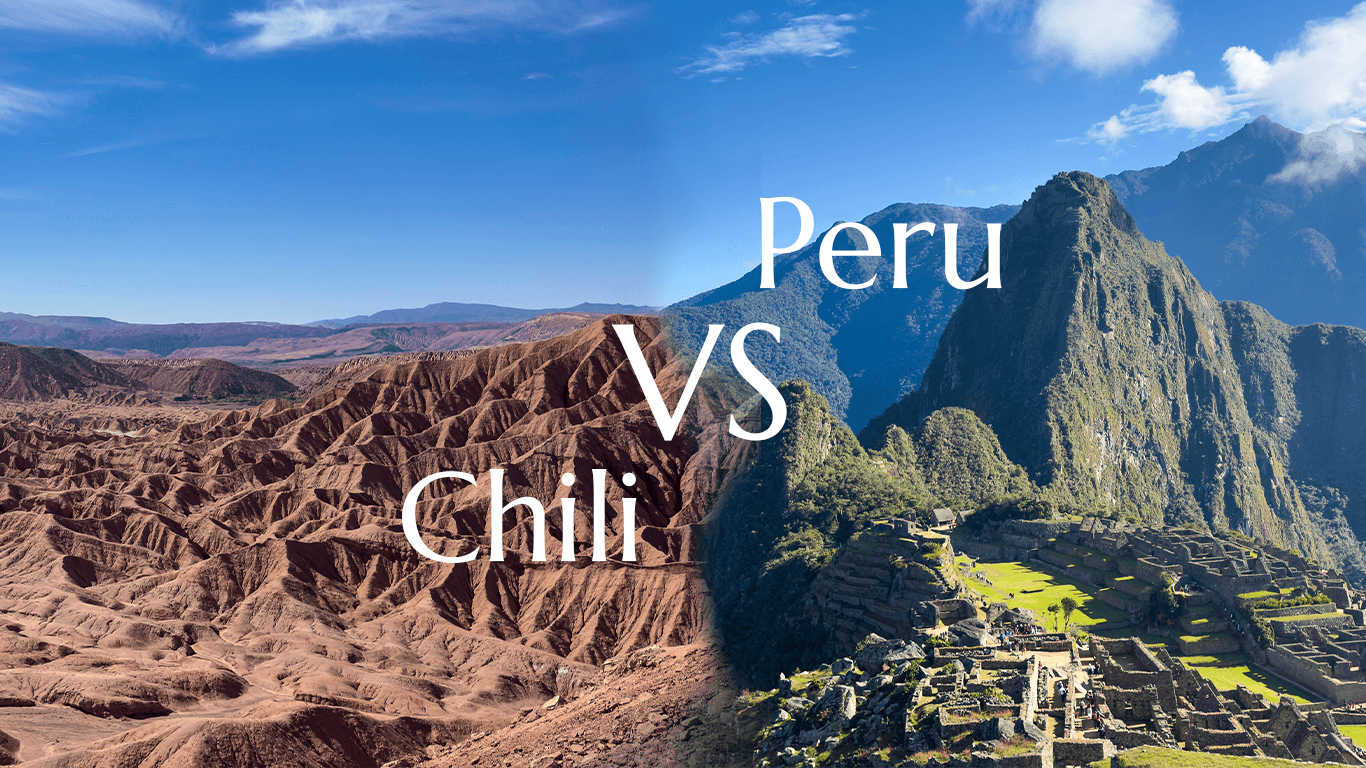
Peru vs Chili: which country should you choose for your South American adventure?
Peru or Chili? A complete comparison to help you choose your South American destination: budget, landscapes, culture, itineraries, and practical tips for backpackers.
Peru vs Chili: which country should you choose for your South American adventure?
On a budget: where can we travel for less?
This is the number one deciding factor for many backpackers, and the answer is clear: Peru is significantly cheaper than Chili. On average, a budget-conscious traveler will spend around 15 à 20 euros par jour in Peru (for accommodation, food, transport, and activities), compared to 20 à 40 euros par jour in Chili.
Peru | Chili | |
Dorm bed | 5-10 euros | 12-25 euros |
Budget double room | 15-25 euros | 25-50 euros |
Local meal (daily menu) | 2-4 euros | 8-15 euros |
Local beer | 1-2 euros | 3-5 euros |
Long-distance bus (5-8h) | 8-15 euros | 20-40 euros |
Activity / day trip | 15-40 euros | 40-100 euros |
In Peru, the menu del dia (menu of the day) is a true institution: you get a soup, main dish, drink, and sometimes dessert for just 8 à 15 soles (2-4 euros). In Chili, eating out is pricier, costing about 10,000 to 15,000 Chilean pesos (10-15 euros) for a simple main dish. Chili has a coût de la vie closer to Southern Europe, which makes it a bit tougher on tight budgets.
Landscapes and nature
Peru: Andean Heights
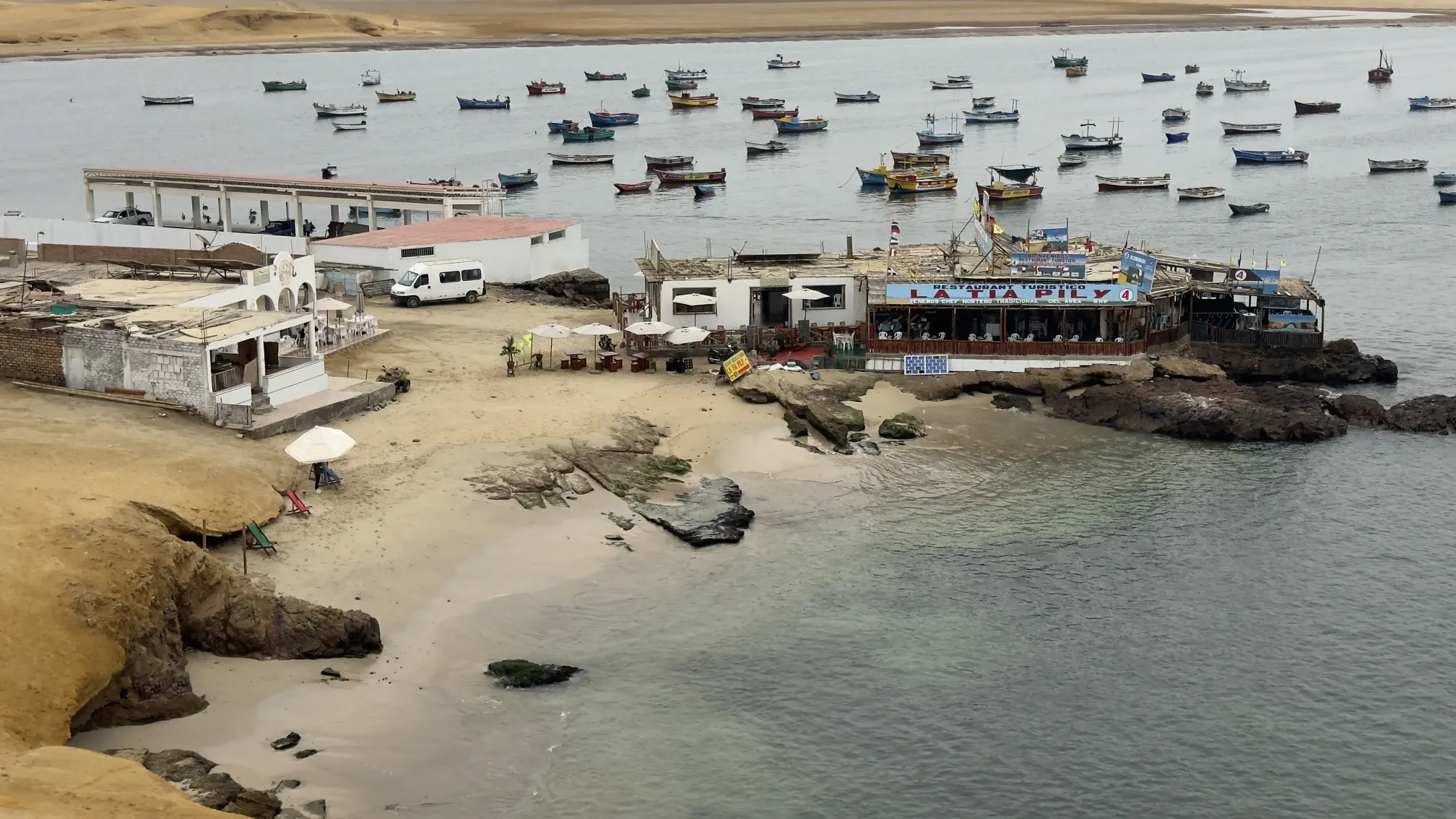
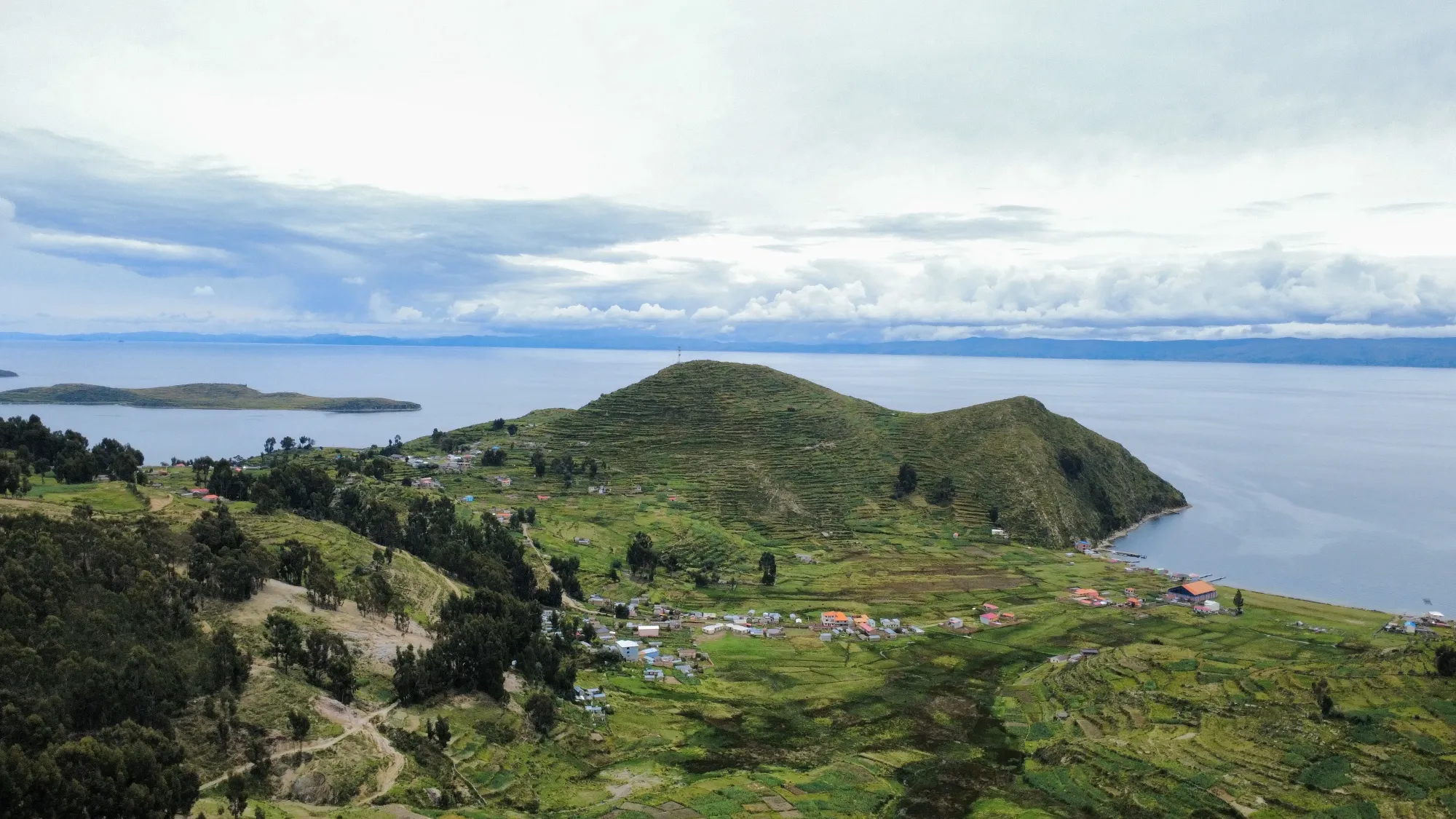
Peru offers an incredible diversity of landscapes packed into a relatively compact territory. In just a few days, you can go from the desert Pacifc coast to snow-capped peaks over 6,000 meters, before plunging down into the Amazon rainforest. The natural must-sees: the canyon de Colca (twice as deep as the Grand Canyon), the seven-colored mountain Vini Cunca, lac Titicaca and its floating islands, the Sacred Valley of the Incas and, of course, the Peruvian Amazonie.
Chili: The Long Extreme
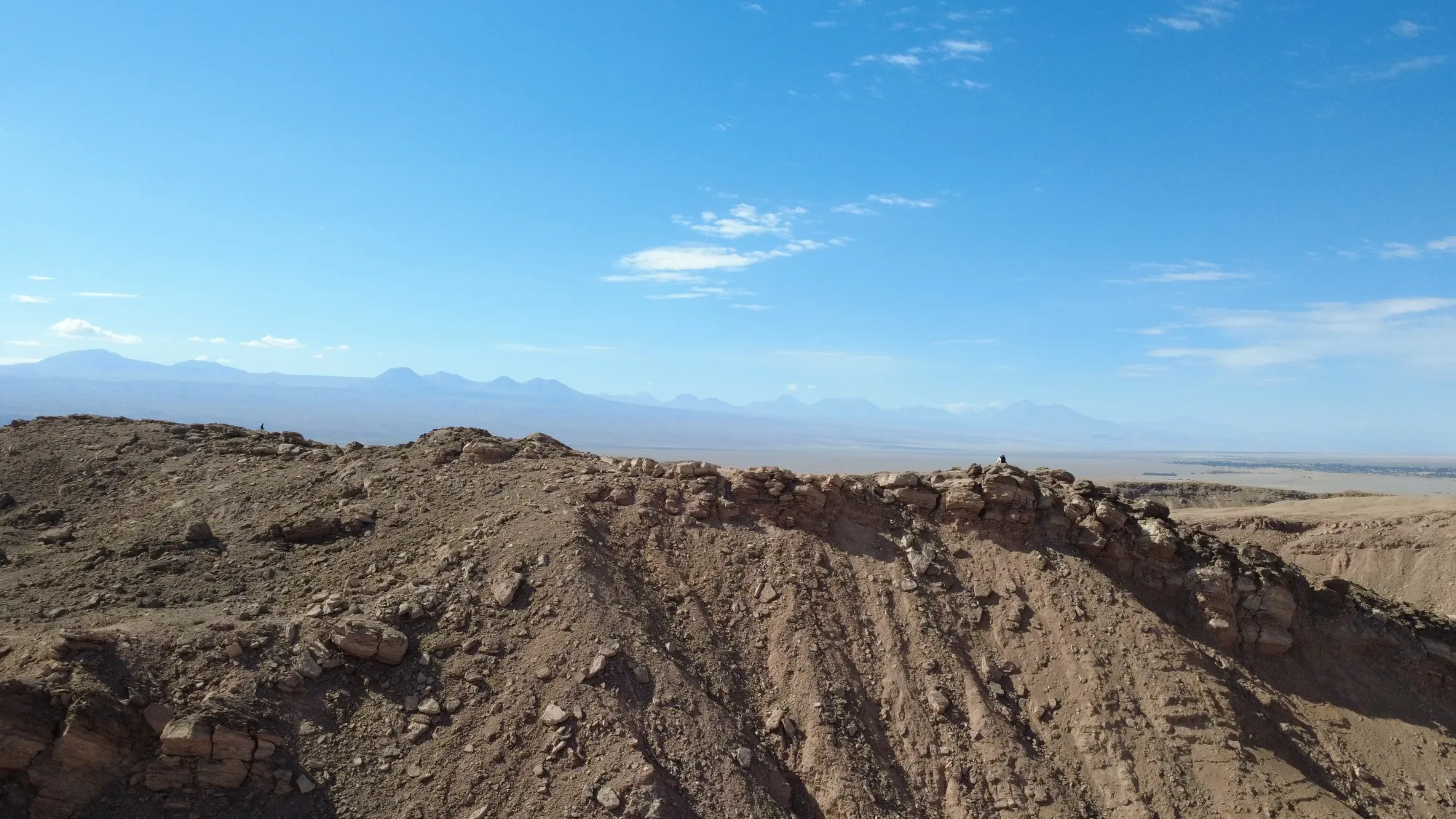
Chili stretches over 4,300 km from north to south, giving it a climate and geographic diversity unlike anywhere else in the world. The désert d'Atacama in the north is the driest on the planet, featuring geysers, multicolored lagoons, and some of the clearest night skies in the world (perfect for stargazing). In the center, you'll find rolling vineyards and stunning coastlines. To the south, the Lake District's volcanoes, spectacular fjords, the Carretera Austral, and finally, Chilean Patagonia with Torres del Paine, one of the most beautiful national parks on Earth.
The landscape verdict: if you want diversity packed close together on a budget, Peru wins. If you're looking for extreme, wild landscapes and that genuine end-of-the-world feel, Chili is unbeatable.
Culture and heritage
Peru is a cultural giant. The Inca Empire left monumental remains all over the country: Machu Picchu, Cusco, Ollantaytambo, Sacsayhuaman, the Nazca Lines, and Chan Chan. But the pre-Inca heritage is just as fascinating: the Nazca mummies, the temples of Chavin de Huantar, and the fortress of Kuelap. Peru boasts 13 UNESCO World Heritage sites. Its living culture is also very much alive, from colorful festivals and traditional music to bustling markets and indigenous communities keeping ancestral traditions going strong.
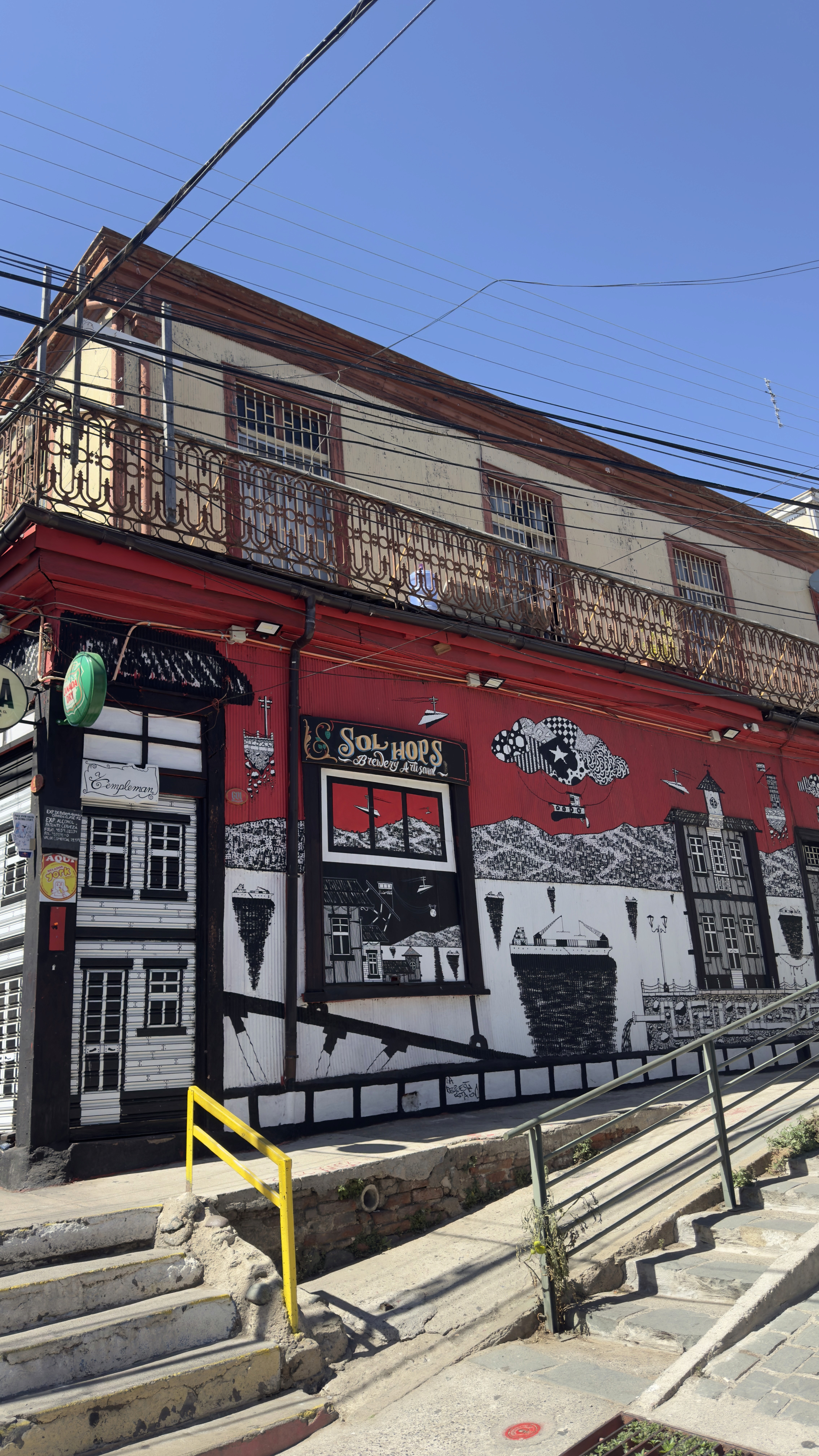
Chili has fewer archaeological ruins but makes up for it with a vibrant contemporary culture. Valparaiso is a real open-air museum, Santiago features a dynamic culinary and cultural scene, and the Easter Island (Rapa Nui) offers a truly unique heritage with its mysterious mysteries. In the south, Chili also has a fascinating Mapuche heritage, which is less touristy and feels incredibly authentic.
Food & Drink
Peruvian food is easily some of the best in the world, and that's not just marketing hype. Lima is consistently ranked as the top culinary destination on the planet. From ceviche and lomo saltado to pollo a la brasa, aji de gallina, anticuchos, and causa... the variety is absolutely endless. Best of all, you can eat incredibly well for next to nothing. A plate of ceviche in a great local neighborhood spot will only run you about 20-30 soles (5-7 euros).
Chile has a less flashy food scene, but it's packed with fantastic fresh ingredients: Pacific seafood, classic empanadas de pino (stuffed with beef, onions, egg, and olives), comforting pastel de choclo, and traditional curanto (a feast slow-cooked in a pit in the ground). Chile's real ace up its sleeve is the wine: the Casablanca, Maipo, and Colchagua valleys produce outstanding bottles at very reasonable prices.
The foodie verdict: Peru wins hands down. If you live to eat, this alone is a good enough reason to choose Peru.
Getting around & transport
In Peru, the bus network takes a bit more effort to figure out, but it's incredibly budget-friendly. Companies like Cruz del Sur, Oltursa, or Movil Tours offer comfortable buses (semi-cama, cama) for overnight trips between major cities. Domestic flights are also quite affordable (30+ euros Lima-Cusco). The only real downside: mountain roads can be slow and winding, and getting to smaller towns can feel like a bit of an adventure.
In Chili, buses are also top-notch (Tur Bus, Pullman Bus) with terminals in every city. Keep in mind that distances are massive: Santiago to San Pedro de Atacama is a 22-hour bus ride or a 50-100 euro flight. From Santiago to Patagonia, a flight is pretty much a must (3+ hours). Because of its long, narrow shape, Chili requires a bigger transport budget and more travel time, but every single stop is genuinely pleasant and easy to navigate.
Suggested itineraries
2 weeks in Peru
Lima (2d) -> Arequipa and Colca Canyon (3d) -> Lake Titicaca / Puno (2d) -> Cusco and Sacred Valley (4d) -> Machu Picchu (5d with the Salkantay) -> back to Lima. Total budget: 500-700 euros excluding international flights.
2 weeks in Chili
Santiago (2d) -> Valparaíso (2d) -> Vicuña (2d) -> Caldera (2d) -> San Pedro de Atacama (3d) -> Salar de Uyuni (2d) -> Flight to Santiago -> Return.
The Peru + Chili combo (4-5 weeks)
Lima -> Cusco -> Machu Picchu -> Puno -> crossing Lake Titicaca to Bolivia (Copacabana) -> La Paz -> Uyuni -> San Pedro de Atacama (Chili) -> flight to Santiago -> Valparaíso. This is the classic itinerary that combines both countries, with Bolivia thrown in as a bonus. The overland crossing between Peru, Bolivia, and Chile is seamless and the landscapes are simply extraordinary.
Our verdict: who is this for, and which country?
Choose Peru if you're traveling on a tight budget, you absolutely love culture and history, you're a major foodie, you want to connect deeply with the locals, you dream of Machu Picchu, and you love high-altitude treks. Peru offers what is probably the best value for your money in South America.
Choose Chili if: you prefer wide-open spaces and untouched wild landscapes, you want a well-organized country with great infrastructure, you dream of Patagonia or the Atacama Desert, you appreciate a good wine, you're looking for top-notch safety, and you have a more comfortable budget.
And if you can't decide: combine both. The Peru-Bolivia-Chili route is one of the most stunning journeys in South America and can easily be done in 3 to 4 weeks. You’ll start in Peru (culture, food, and budget-friendly), cross through the mind-blowing landscapes of Bolivia, and end in Chili (Atacama and modern vibes). It's truly the best of both worlds.
On the road: wifi, finding a place, and the backpacker vibe
Peru is a paradise for backpackers: hundreds of hostels, a massive traveler community, free walking tours in all the major cities, and a great party vibe in the tourist spots. You'll find decent Wi-Fi in most accommodations and cafes, and it’s incredibly easy to pair up with fellow travelers to share excursions or split the cost of rides.
Chili offers a higher level of comfort. Hostels are a bit pricier but often better equipped. The Wi-Fi is excellent everywhere, even in the more remote areas. Santiago has a vibrant nightlife scene, and Valparaiso is a fantastic hub for artists and bohemian souls. Down in Patagonia, the refuges are expensive (expect 40-60 euros a night for a basic refuge) but they are very well run.
If you are planning a longer trip, we highly recommend getting an E-Sim. It's become much more convenient and cost-effective than buying a local SIM card in every country.
Trekking and hiking
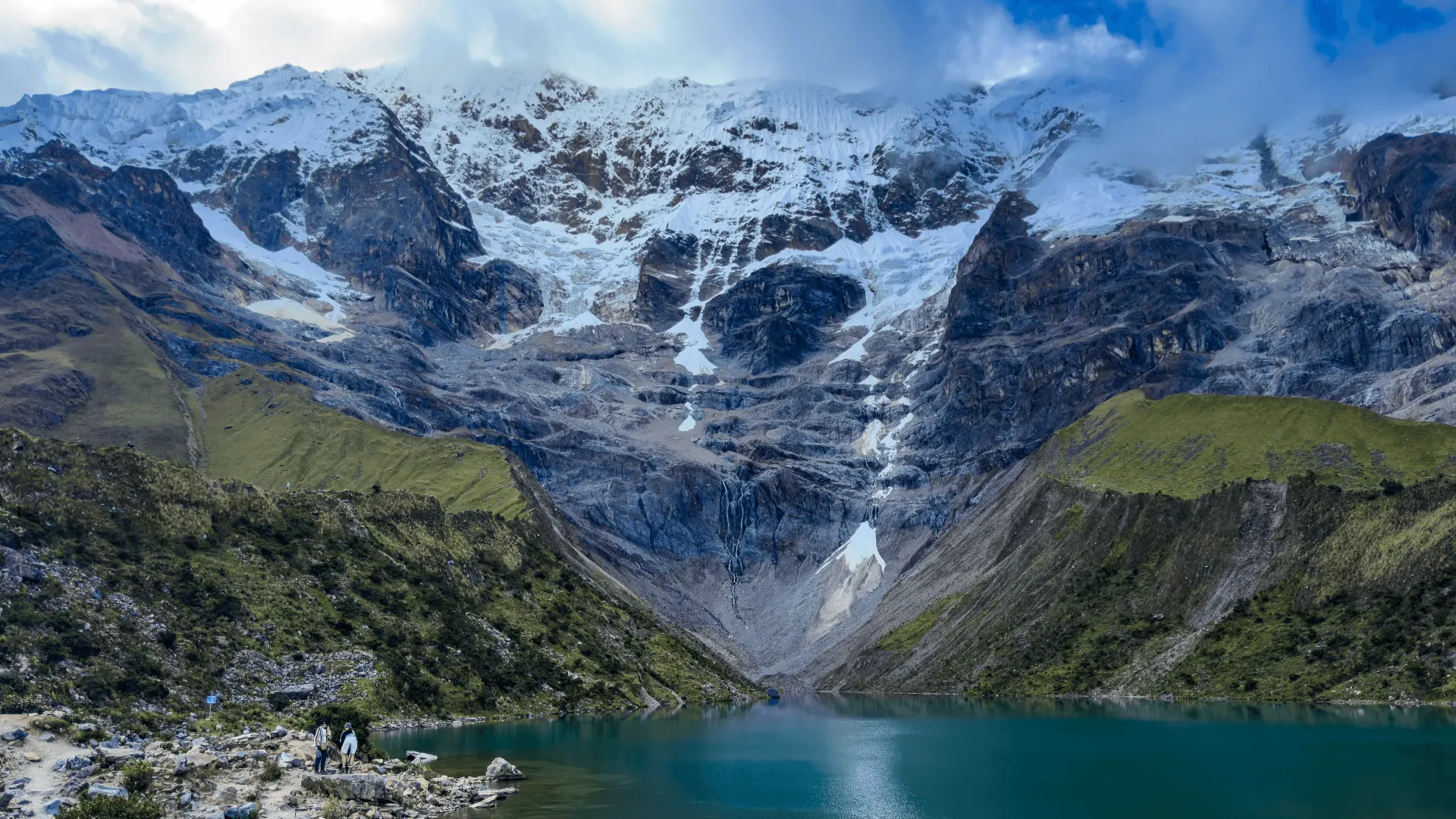
Both countries are outstanding destinations for trekking, though each offers a very different style of adventure. In Peru, the most famous routes are the Inca Trek (4 days, with permits and a price around 600-800 USD all-inclusive), the Salkantay Trek (a 5-day costing around 200-400 USD), the circuit of Huascarán in the Cordillère Blanche, and the Ausangate loop. That altitude is your biggest challenge here, most trails are between 3,500 and 5,000 meters.
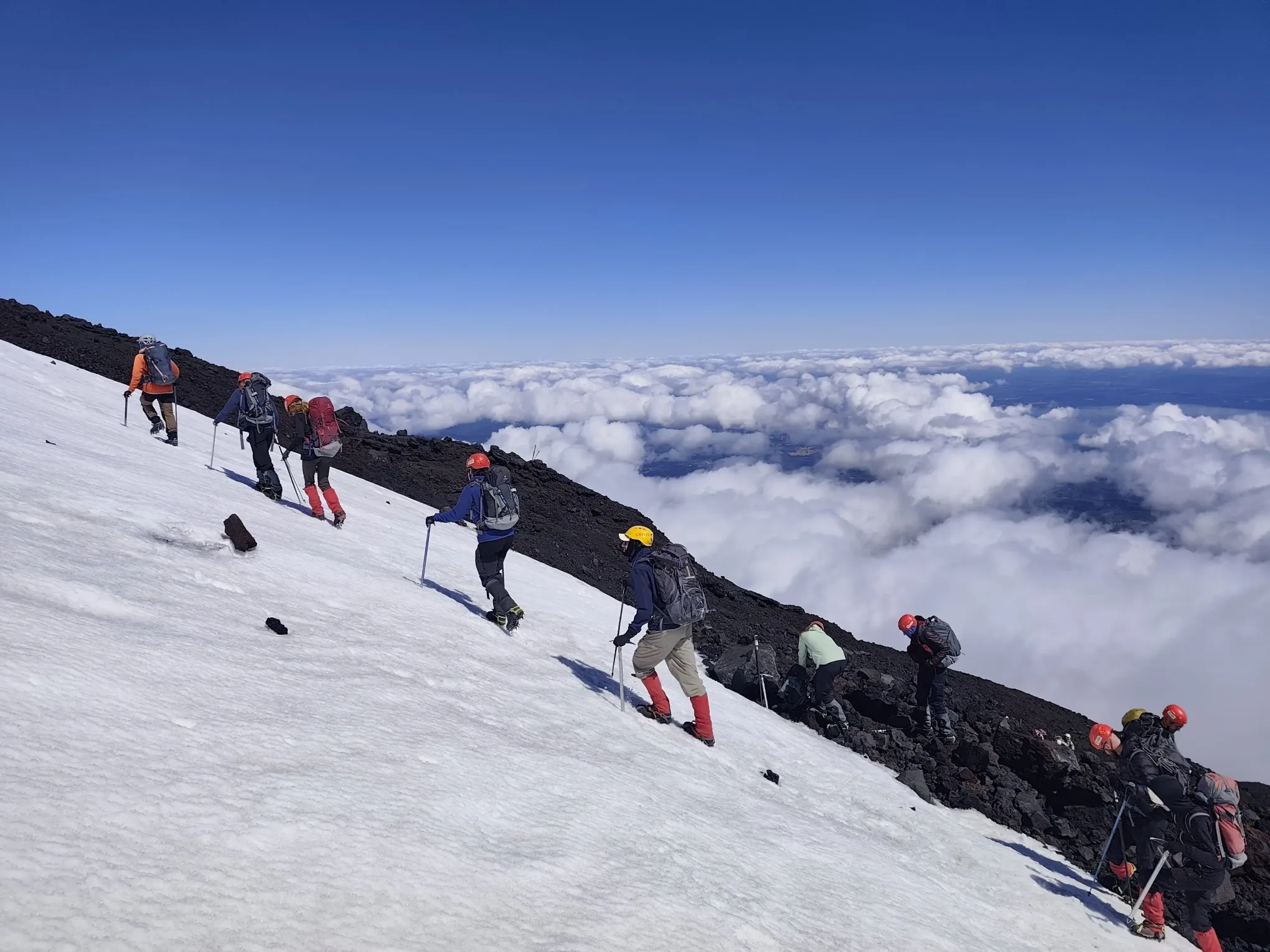
In Chili, the crown jewel of trekking is the iconic W du Torres del Paine (4-5 days) easily one of the most stunning trails on the planet, but also one of the priciest (expect a budget of 500-800 euros). For those craving a more wild experience, the Carretera Austral offers hiking possibilities, while the Atacama Desert is perfect for high-altitude treks around towering volcanoes rising above 5,000 meters. Chili also boasts fantastic trails across its beautiful Lake District (Pucon, Villarrica).
Money, cash withdrawals, and paying for paying
In Peru, the currency is the sol (PEN). ATMs are everywhere in tourist areas, dispensing both soles and dollars. Bank fees vary: BCP and Interbank are usually your best bet (charging around 12-15 soles per withdrawal). Visa and Mastercard are widely accepted in hotels and touristy restaurants, but cash is still king in local markets, colectivos, and smaller towns. Always keep some small change on you, as many vendors won't be able to break a 100-soles note.
In Chili, the currency is the Chilean peso (CLP). The country is much more modern: card payments are accepted almost everywhere, even in small shops, and contactless payments work like a charm. Retrieving cash is pricier than in Peru (around 3,000-5,000 CLP per withdrawal, or 3-5 euros). Look out for Banco Estado ATMs, as they tend to charge the lowest fees. Chili is easily one of the most "cashless" countries you'll visit in South America.