Peru, a country of true superlatives
From the Atacama Desert and tropical glaciers to the richest coastline in the world: here is what makes Peru truly exceptional, well beyond Machu Picchu. Discovered while hiking the Salkantay trek.
Peru, a country of true superlatives
We thought we knew Peru. A few days on the Salkantay Trek along with our guide's stories were enough to make us realize we didn't have a clue. Here is what makes this country truly exceptional, and why words alone simply can't do it justice.
A land of extreme contrasts
Peru has the second-largest expanse of Amazon rainforest in the world after Brazil. But what many travelers don't realize is that the Amazon rainforest actually covers about 70% of Peru's territory, while the coast only makes up 15%. The rest, of course, is the rugged Andes mountain range.
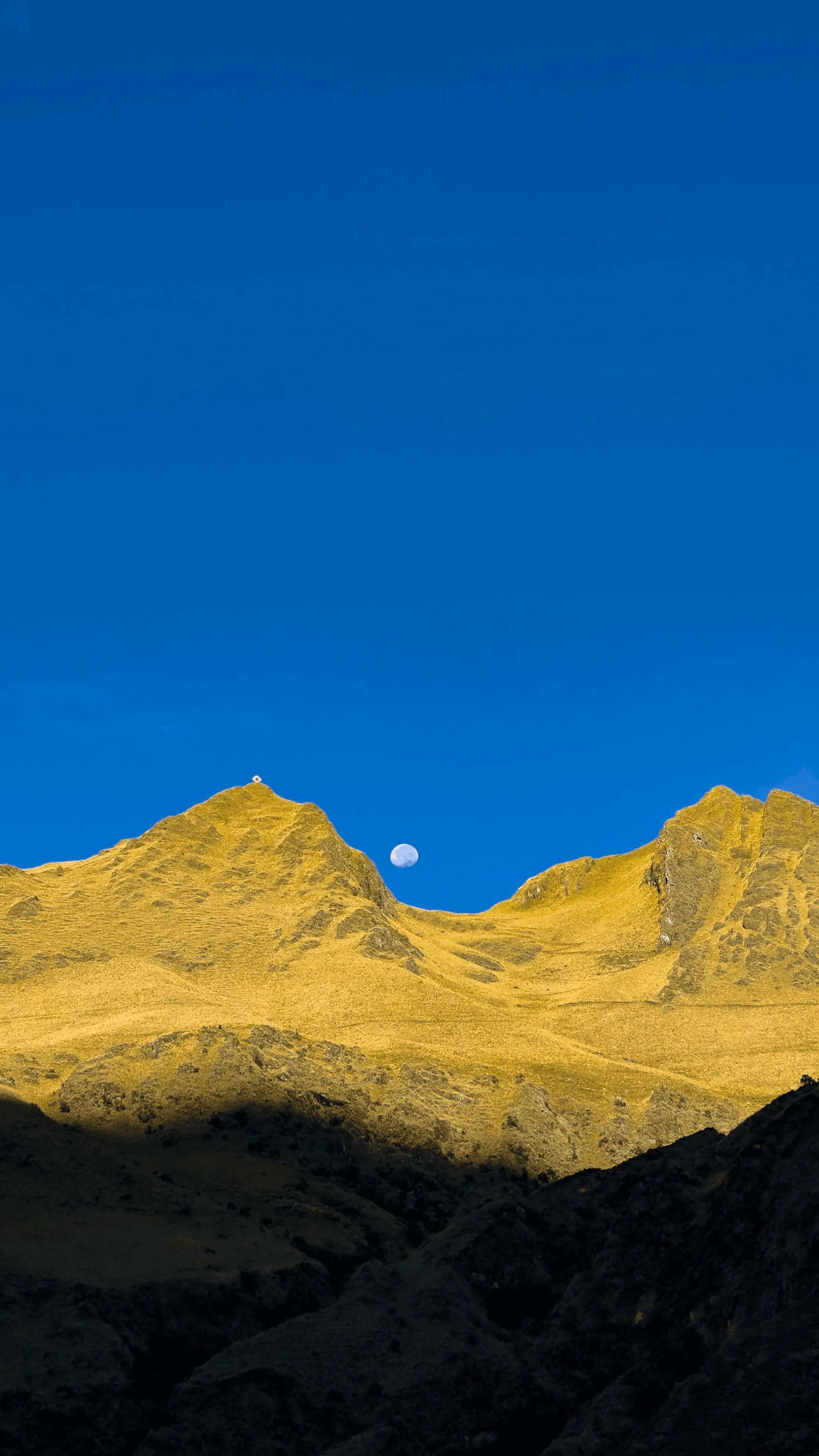
What makes Peru so incredibly unique is how three completely different worlds coexist within the same country: the Pacific Ocean, the high-altitude mountains, and the Amazon jungle. Between these three worlds, almost every altitude, climate, and ecosystem you can think of can be found here.
Out of the world's 116 recognized ecosystems, Peru is home to 96. It's the only country on Earth to pack this much ecological diversity into its borders.
A little extra tip: The concept of an ecosystem in Peru goes way beyond simple geography. Scientists are still discovering new species today in the country's more remote, unexplored corners.
PERU
Lima
Home to the densest biodiversity on the planet
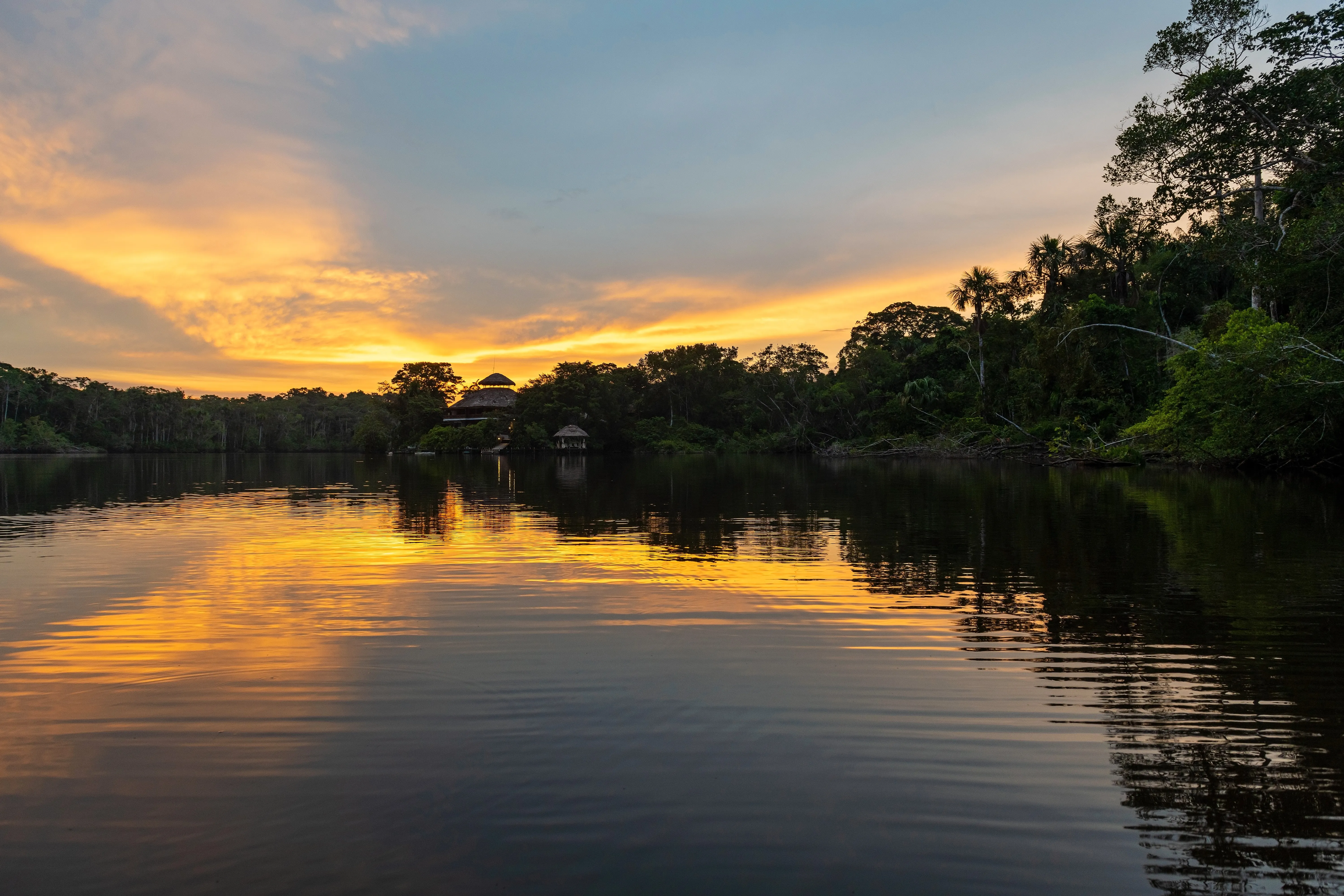
The Manu National Park, nestled deep in the Peruvian Amazon in the Madre de Dios region, stretches across 1.6 million hectares. In terms of biodiversity, no other place on earth packs in quite so much life.
The numbers really speak for themselves:
Over 1,000 recorded bird species
Over 1,400 species of butterflies
Hundreds of species of mammals, reptiles, and vascular plants
The area between Cusco, Machu Picchu and the neighboring jungle forms a triangle of about 1 million hectares that boasts the highest concentration of microclimates in the world for an area of its size.
Peru is home to more than 700 orchid species in this single million-hectare area alone.
The mountains and glaciers of Peru
Peru has 19 mountain ranges—the highest number in South America, just ahead of Argentina, which has 16 despite its taller peaks.
Two of them deserve a special mention:
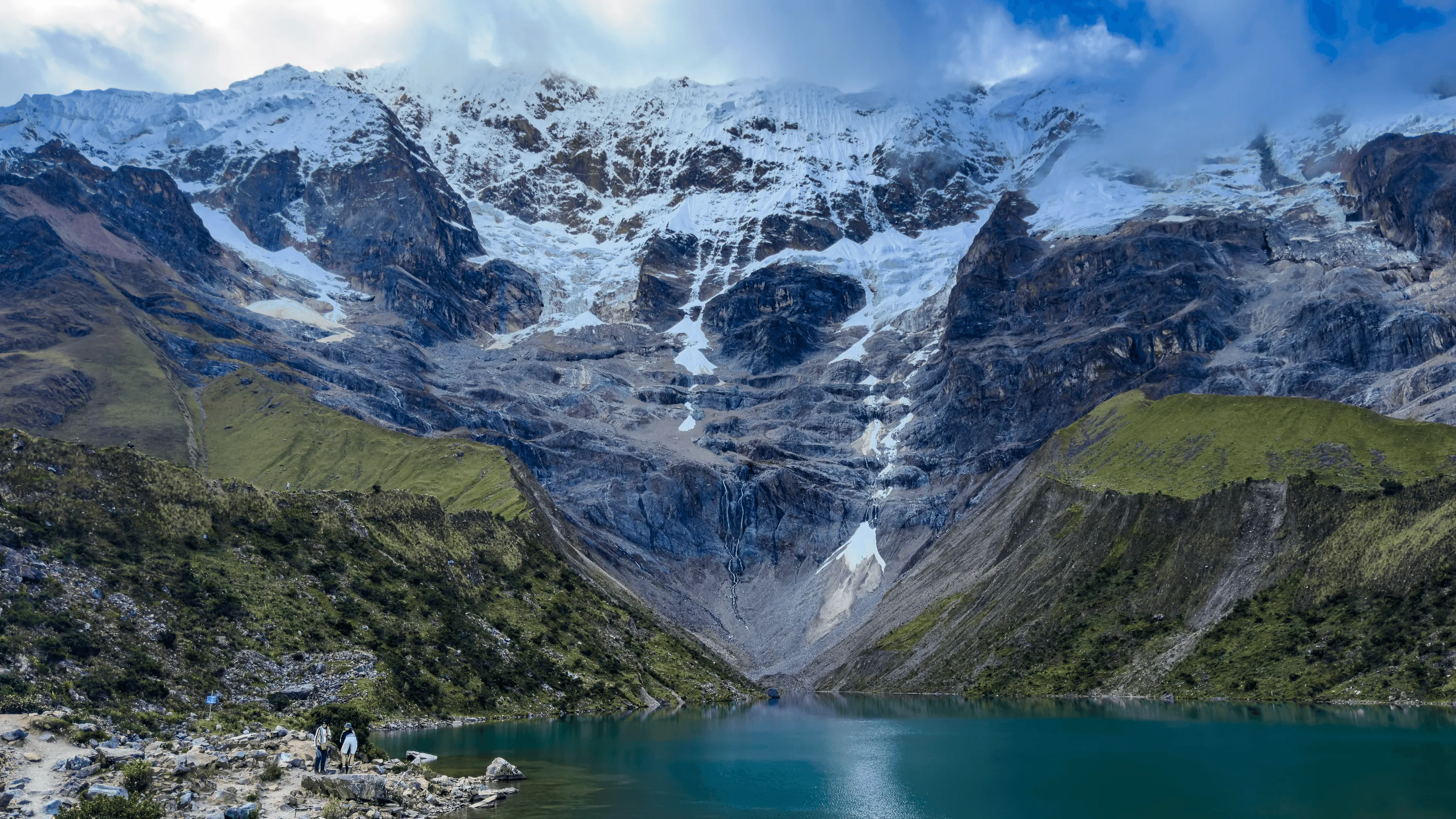
The Cordillera Blanca is the second-highest mountain range in the world after the Himalayas, boasting more than 30 peaks soaring past 6,000 meters. It’s widely considered the ultimate destination for mountaineering in South America.
The Cordillera Huayhuash is the fourth-highest mountain range in the world in terms of average altitude. This is where you'll find Alpamayo, voted the most beautiful mountain in the world during a 1966 photography competition held in Germany. Its perfect pyramid shape gives it a unique elegance in the Andes.
Perched high up, Peru holds 75% of the world's tropical glaciers—meaning glaciers located close to the equator. The biggest tropical glacier in the world used to be the Quelccaya glacier, stretching over 70 km². A ski resort was even built at its summit between 2000 and 2002 before being abandoned due to environmental regulations. Sadly, its rapid melting has made it a symbol of climate change today.
Tip: The mountain town of Huaraz in the Cordillera Blanca is the main basecamp for exploring this region. You can get there from Lima in about 8 hours by bus.
Further reading: We’ve written a complete guide on tropical glaciers and the natural risks they pose. A must-read before heading into the mountains in Peru.
The Atacama Desert: feeling more Peruvian than Chilean
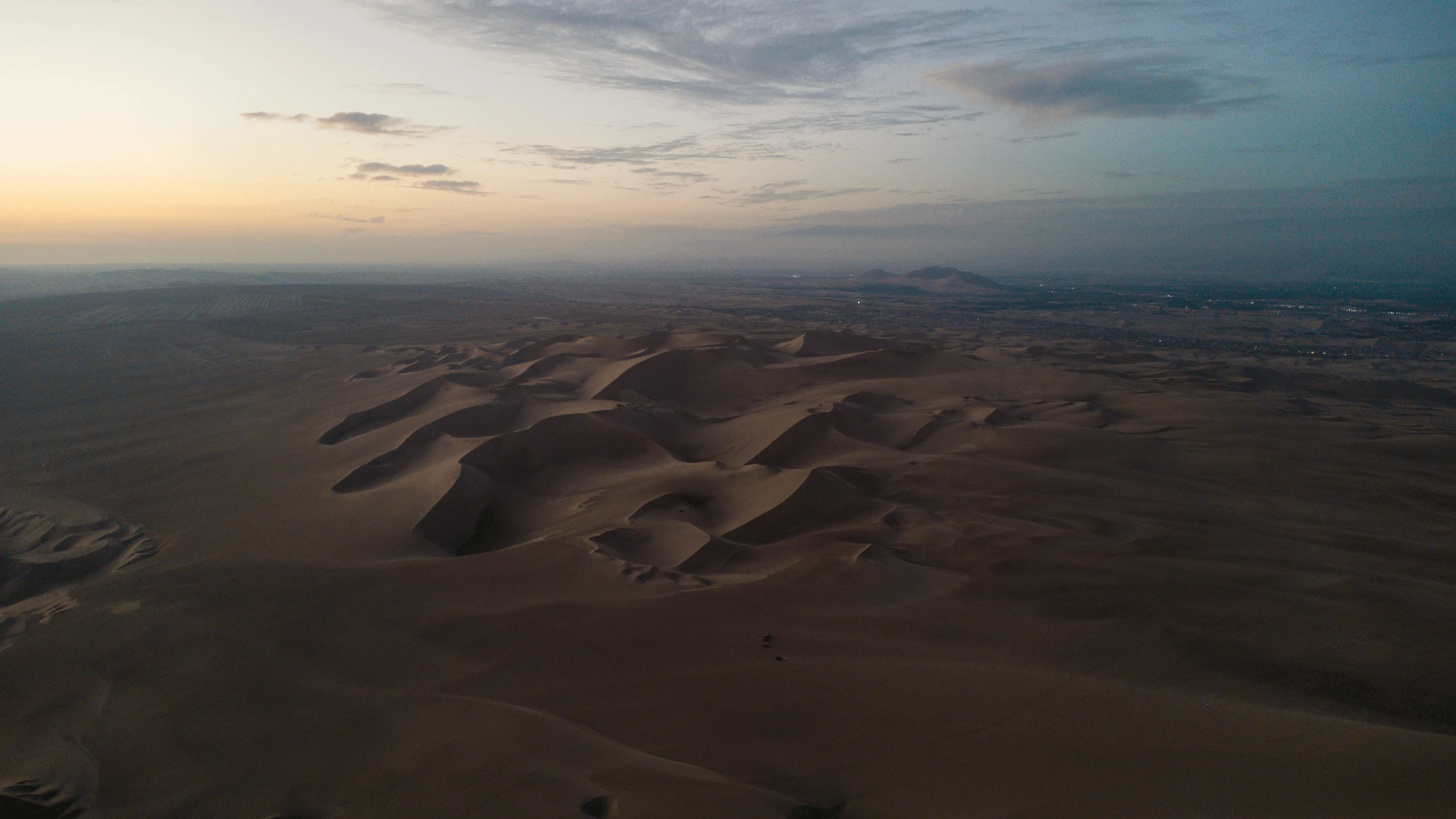
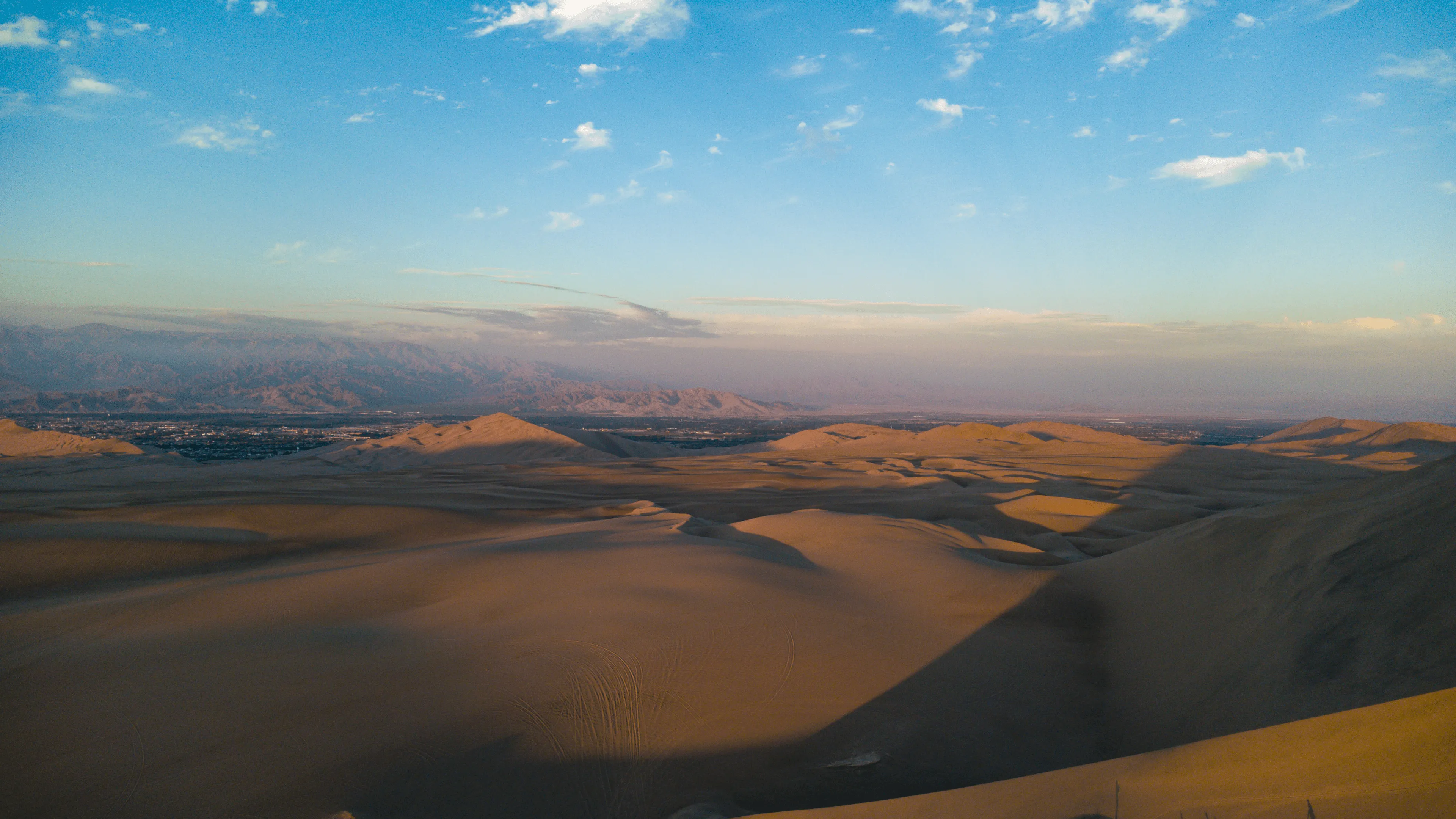
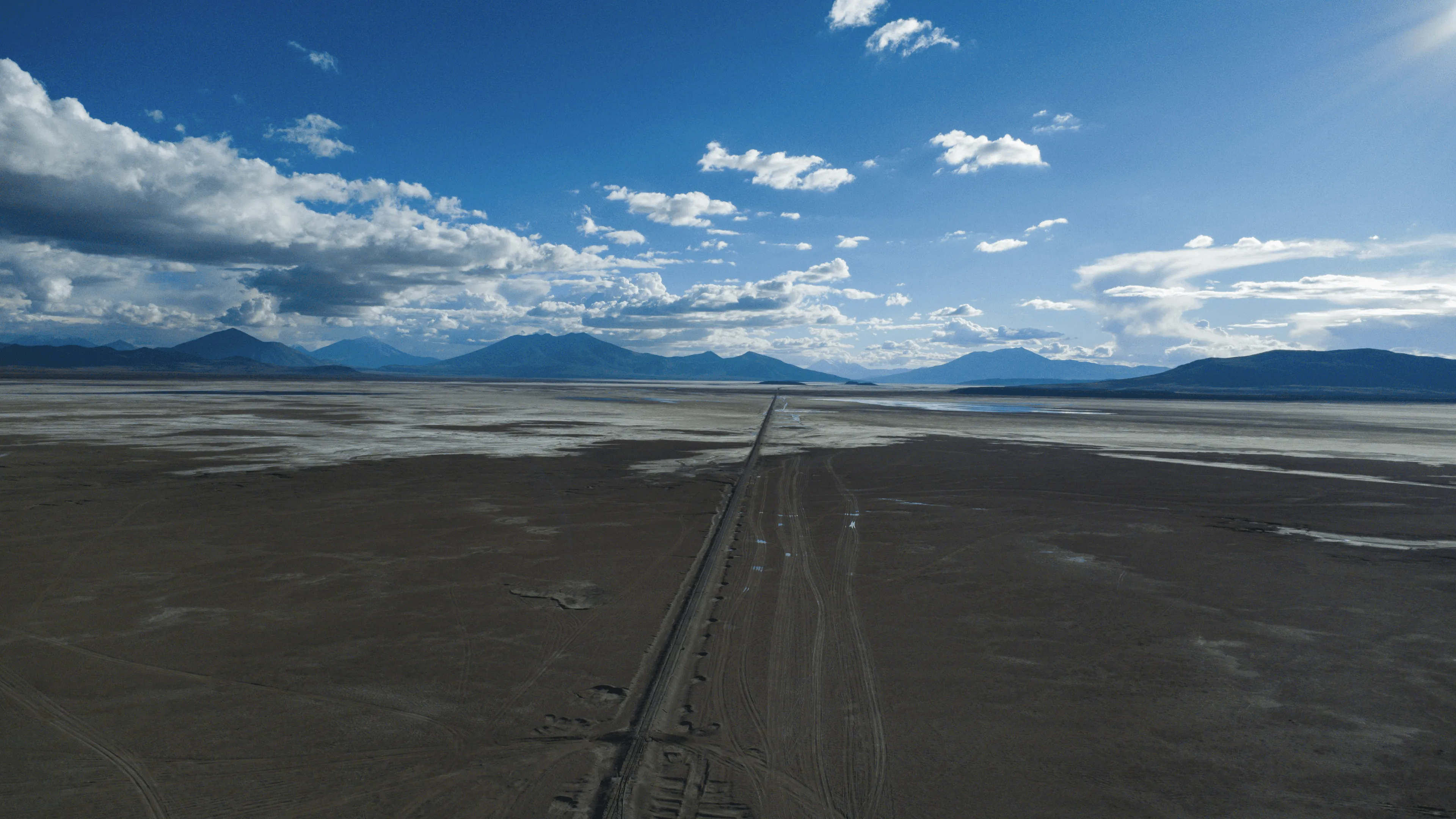
Most of the Atacama Desert actually lies in Peruvian territory, especially its most arid part. The southern Peruvian coast, from the town of Paracas to the Chilean border, sees just 18 mm of precipitation per year, making it the driest place on Earth.
It's certainly no coincidence that four editions of the Paris-Dakar Rally kicked off in Paracas, crossing the entire desert starting from Peruvian soil.
The town of Paracas and the Ballestas Islands are located about 4 hours south of Lima. It's the perfect starting point to explore this lesser-known side of the Atacama Desert.
The richest coastline in the world
Peru might not look like your typical postcard beach destination, but its coastline is officially home to the richest marine biodiversity on the planet. Not in terms of postcard beauty, but in the sheer density of wildlife.
This is all thanks to the Humboldt Current, a cold-water current that flows along the Peruvian coast just 20 km from the shore. This current brings up nutrient-rich waters from the ocean depths, creating an exceptional ecosystem that draws in anchovies, sardines, sea lions, penguins, fur seals, dolphins, and countless species of large fish.
This same cold current acts as a natural barrier against tropical sharks, which simply can't stand the cold temperatures.
The triangle formed between the Peruvian coast, China, and Japan is the largest industrial fishing hub in the world. Peru consistently ranks in the top 3 countries worldwide for total fishing volume.
The Paracas National Reserve is the absolute best spot to experience this marine biodiversity firsthand. The Ballestas Islands are often nicknamed the "poor man's Galápagos"—a description that honestly does a disservice to their incredible abundance of life.
The records that say it all
To help you grasp the sheer scale of what Peru has to offer on the world stage, here are a few fun facts to keep in mind:
The Inca Trail to Machu Picchu was voted the world’s best trek by National Geographic—a title it successfully defended in 2022, 2023, 2024, and 2025.
The restaurant Maido, in Lima, was crowned the best restaurant in the world in September 2025. It’s an incredible achievement, and even better when you consider that Peru routinely has several spots landed in the global top rankings, with bills that can actually be very reasonable compared to their European counterparts.
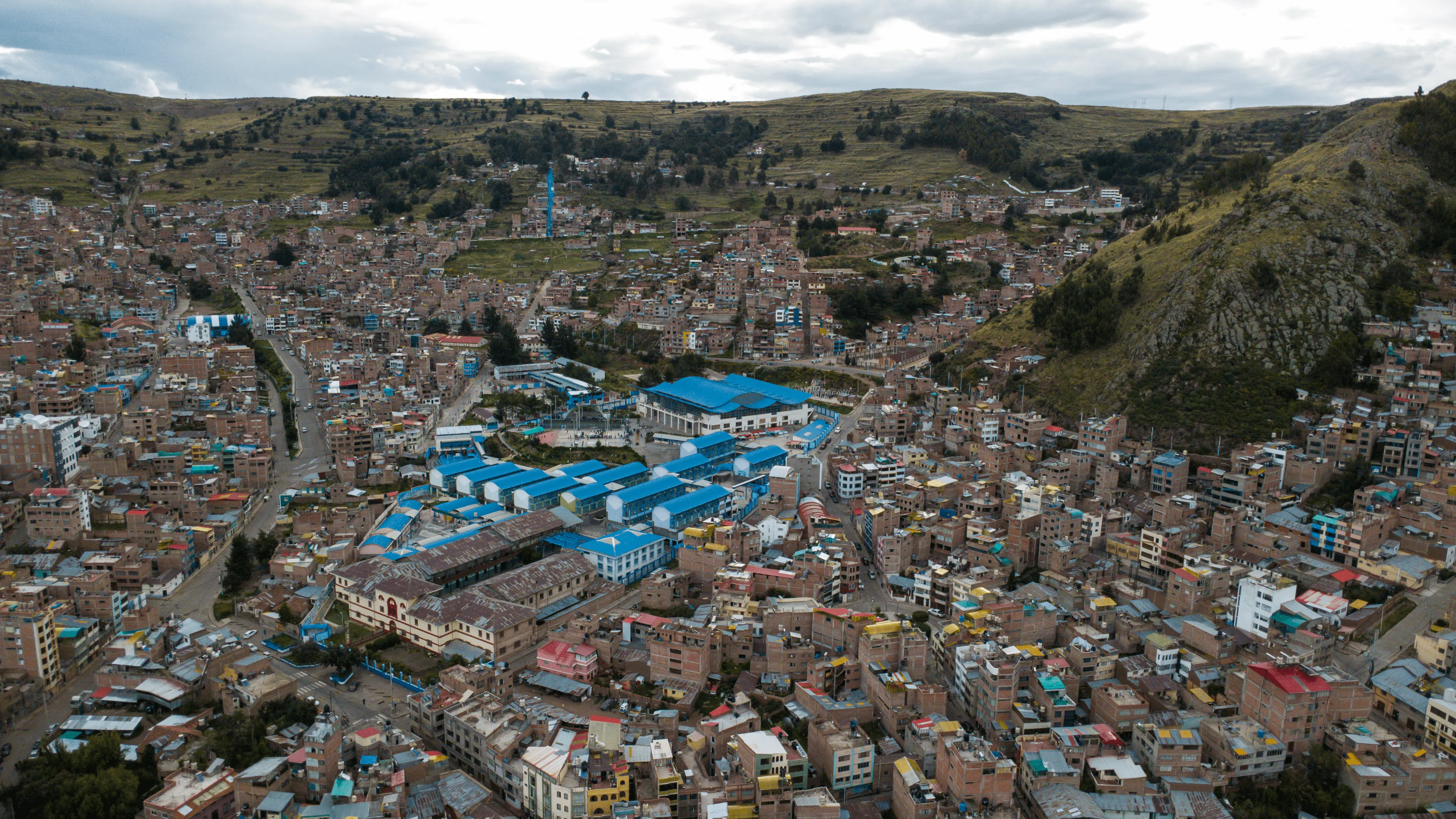
The town of La Rinconada, in the Puno region, is known as the highest inhabited town in the world. Here, about 80,000 residents live and work in a gold-mining area sitting at an incredible 5,300 meters above sea level.