Budapest: tried and tested local favorites (thermal baths, ruin bars, eats)
Discover the absolute must-sees in Budapest: the Gellert baths, the Jewish Quarter's famous ruin bars, authentic Hungarian restaurants, and handy insider tips. Here is your tried-and-tested guide.
Budapest: tried and tested local favorites (thermal baths, ruin bars, eats)
Budapest is a city that takes you by surprise. You arrive not quite knowing what to expect, and you leave wondering why you didn't visit sooner. Split in two by the Danube, with hilly Buda on one side and vibrant Pest on the other, this city has an energy all its own: a mix of Austro-Hungarian grandeur, laid-back Eastern European charm, and a nightlife scene that easily rivals Berlin.
We spent our time soaking in century-old thermal baths, hanging out in ruin bars, eating hearty, comforting dishes, and sipping Hungarian wines we didn't even know existed. Here are our tried-and-tested spots, our favorite places, and our best tips to help you experience Budapest just like we did.
1. Thermal baths and spas: a must-do experience
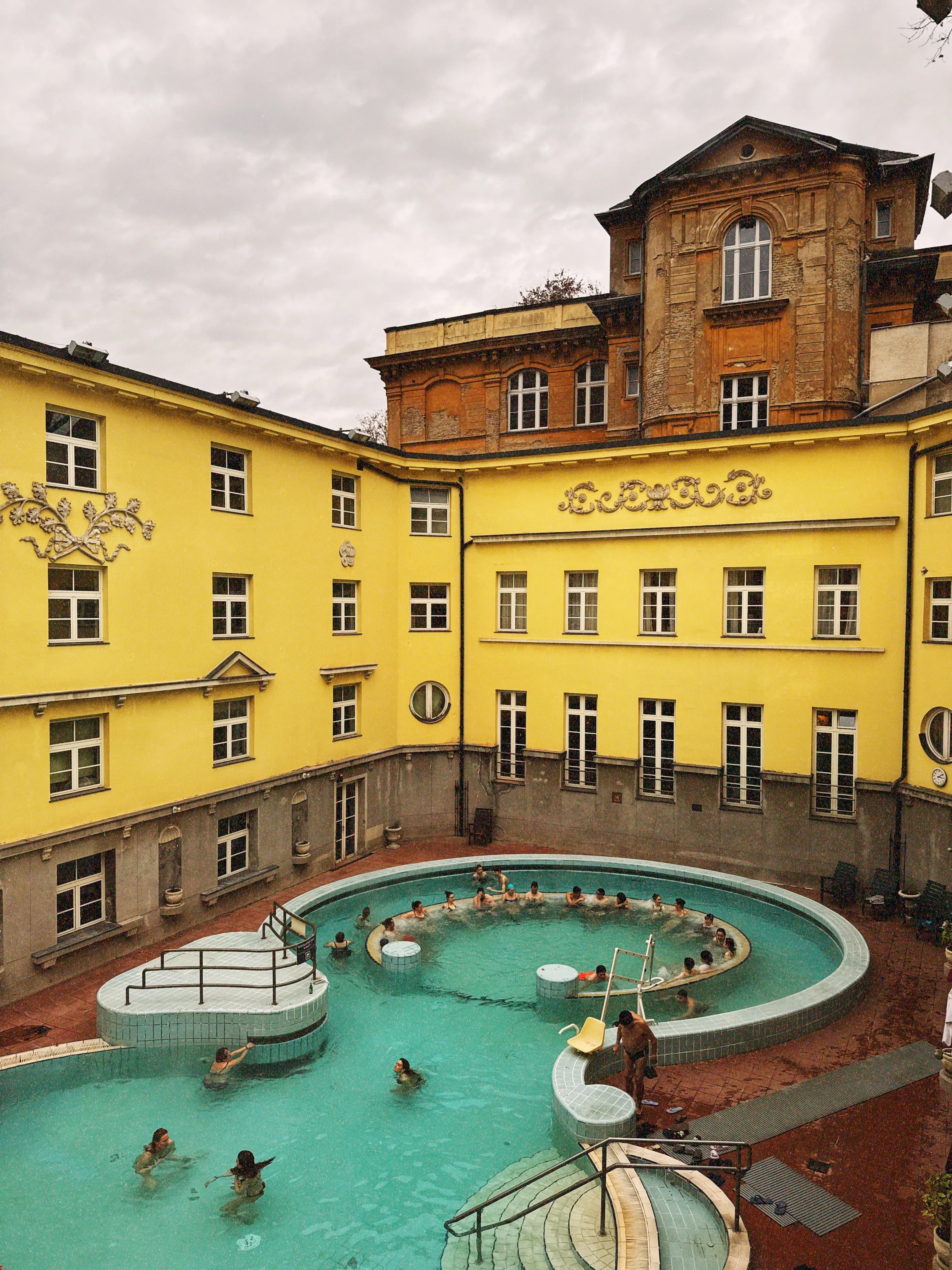
You can't visit Budapest without experiencing its thermal baths. The city is built on over 120 thermal springs, and this bathing tradition goes back to Ottoman times. It's an authentic daily ritual, not just a tourist trap.
Thermes Gellert: easily the most spectacular. The Art Nouveau interior is breathtaking, complete with mosaic tiles, grand columns, and pools of varying temperatures. It feels like stepping into a private water palace from another era. Yes, it's popular with tourists. Yes, it is absolutely worth it. Get there early in the morning to beat the crowds.
Top Tip Head to the Gellert thermal baths on a weekday, ideally before 10 AM. It gets packed on weekends. Give yourself 2-3 hours to fully enjoy all the different pools. Don't forget your swimsuit (it's mandatory in the mixed pools) and your flip-flops. |
Plan B If Gellert is too busy, the Rudas baths (just a stone's throw away) offer a more intimate experience, complete with a rooftop pool overlooking the Danube. While the architecture is less grand, you'll get a much more local feel. |
2. Ruin bars and nightlife: where to head out for the evening
Ruin bars are THE ultimate Budapest experience. The concept: take an abandoned building or courtyard, fill it with mismatched furniture, street art, and quirky lights, and serve cheap beers. Starting back in 2001 with Szimpla Kert, the trend has since spread all over the Jewish Quarter (District VII).
Szimpla Kert: the pioneer, the most famous, and probably the one you'll see in every guidebook. Yes, it's quite touristy now. But the place is still fascinating: every room is its own little world, with a bathtub turned into a sofa here, and a wall covered in vintage toys there. It's a must-see at least once, preferably in the late afternoon before it gets too packed.
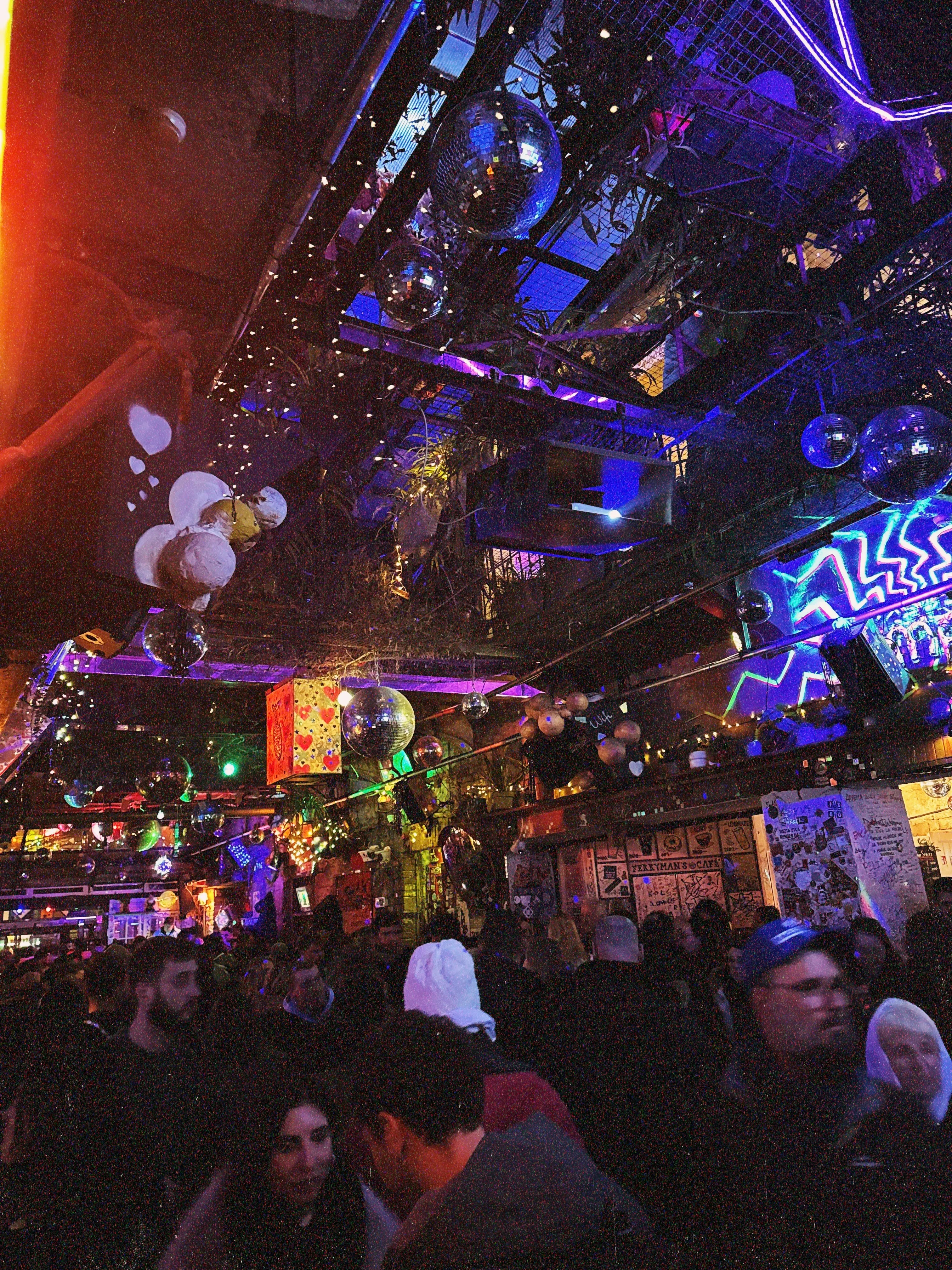
Doboz: more of a party vibe, with live music on certain nights. The setting is raw, the atmosphere is electric, and the prices are reasonable. A great spot as the night starts heating up.
Puder Barzaz: a bar-theater in a vintage setting. More intimate than the others, with some surprisingly quirky shows. The perfect place to escape the usual ruin bars.
Csendes Letterem (Vintage Bar & Cafe): a cozy, vintage cafe-bar. A labyrinth of rooms decorated with odds and ends, perfect for a drink during the day or early in the evening.
Tip Start with dinner at Mazel Tov (be sure to book!), then head over to Szimpla and Doboz on foot—everything is in the same neighborhood. On Fridays and Saturdays, places fill up fast after 10 PM. |
3. Our favorite places to eat
Hungarian cuisine is hearty and comforting. Think paprika on everything, slow-cooked stews, and generous portions. But Budapest can also surprise you with more refined spot and a rapidly evolving food scene.
Aszu Etterem: Traditional Hungarian cuisine with a sophisticated twist. The goulash is spot on, the pan-seared foie gras is absolute heaven, and the Hungarian wine list is impressive. A must-visit to explore local flavors in an elegant setting.
Retek Bisztro: Our absolute favorite Hungarian restaurant! Between the amazing atmosphere and the food, we highly recommend heading there straight away! Simple, delicious, market-style Hungarian cooking. The dishes change with the seasons, the prices are reasonable, and the vibe is super laid-back.
Borjuhus Birkhauser: Specializes in meats, grilled dishes, and rustic fare. If you are looking for a meal that really sticks to your ribs, this is the place to go.
CONI Bar & Brunch: Budapest's trendy spot. Think Eggs Benedict, pancakes, and great coffee. The place is bright, and the terrace is lovely.
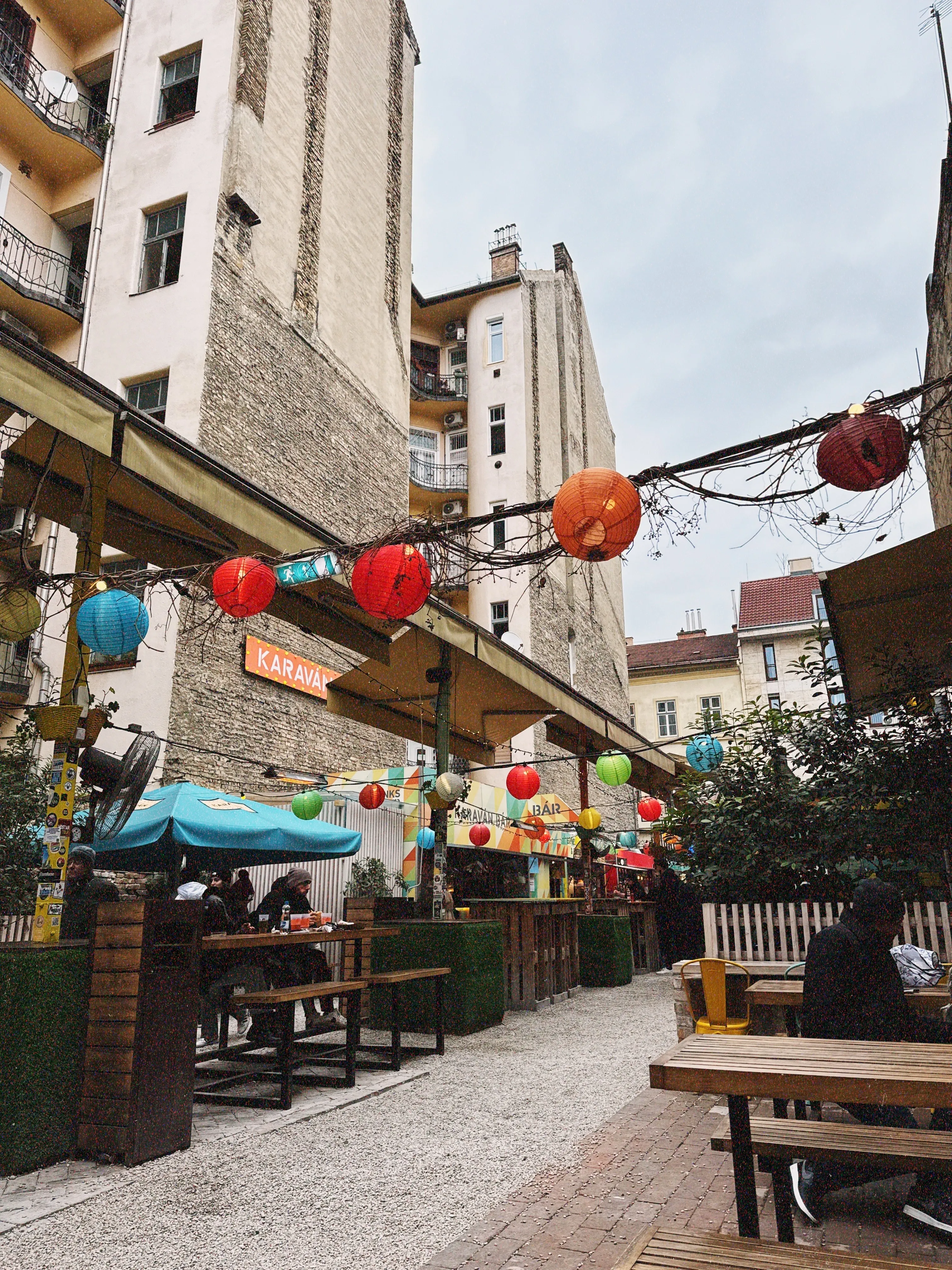
Street Food Karavan: a collection of food trucks right behind Szimpla Kert. Perfect for burgers, lángos (the local specialty of fried dough), and chimney cakes. Ideal for a quick, delicious bite between ruin bars.
To go a bit further Don't leave Budapest without trying lángos (fried dough topped with sour cream and cheese) and kürtőskalács (chimney cake). You can find them everywhere in the markets and from street food vendors. |
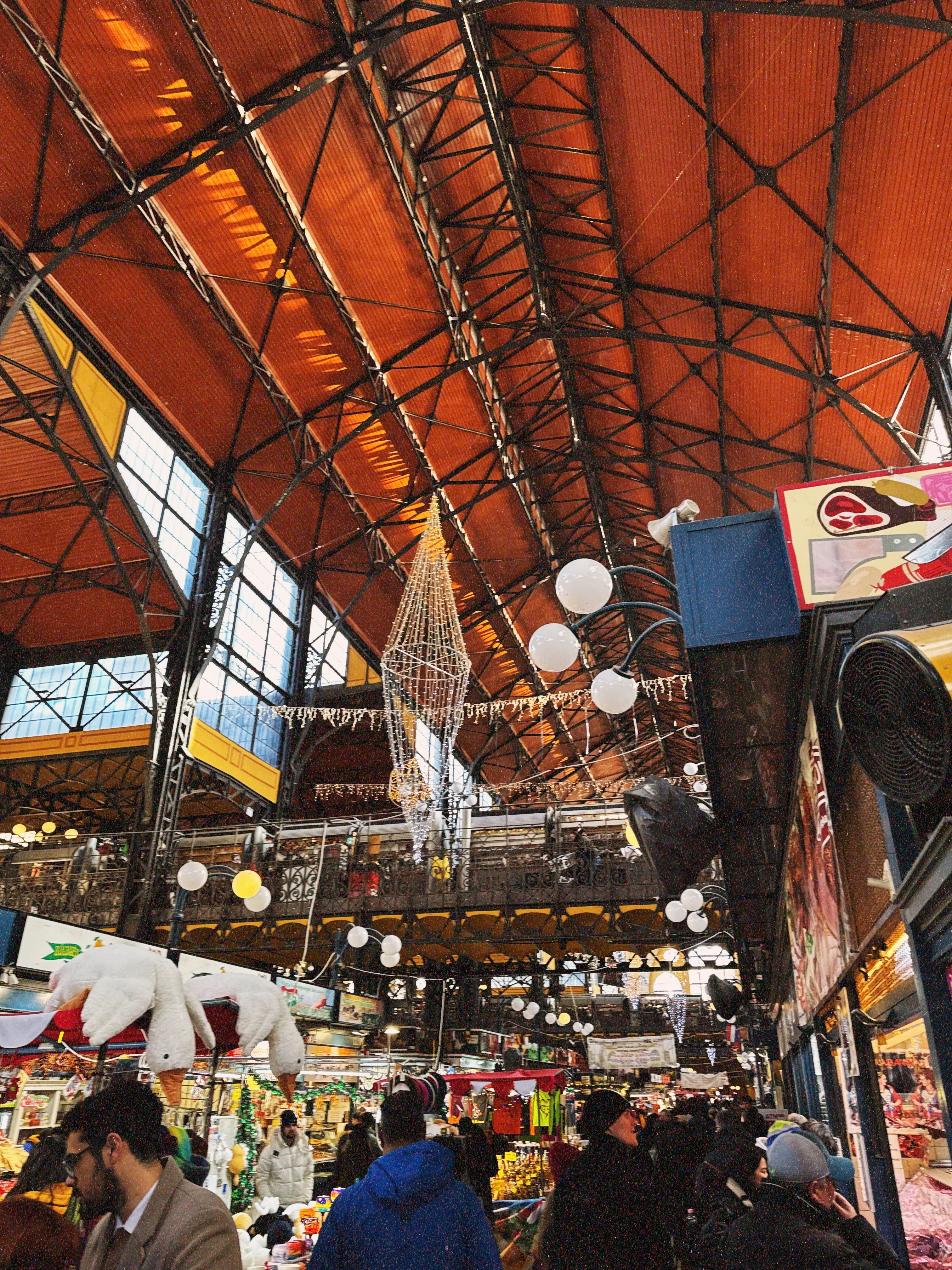
Great Market Hall (Nagy Vásárcsarnok): the grand indoor market, housed in a magnificent building from 1897. On the ground floor, you'll find stalls filled with paprika, sausages, and foie gras. Upstairs, food stalls serve up classic Hungarian dishes at great prices. Head there in the morning to beat the crowds.
4. Sights and Monuments
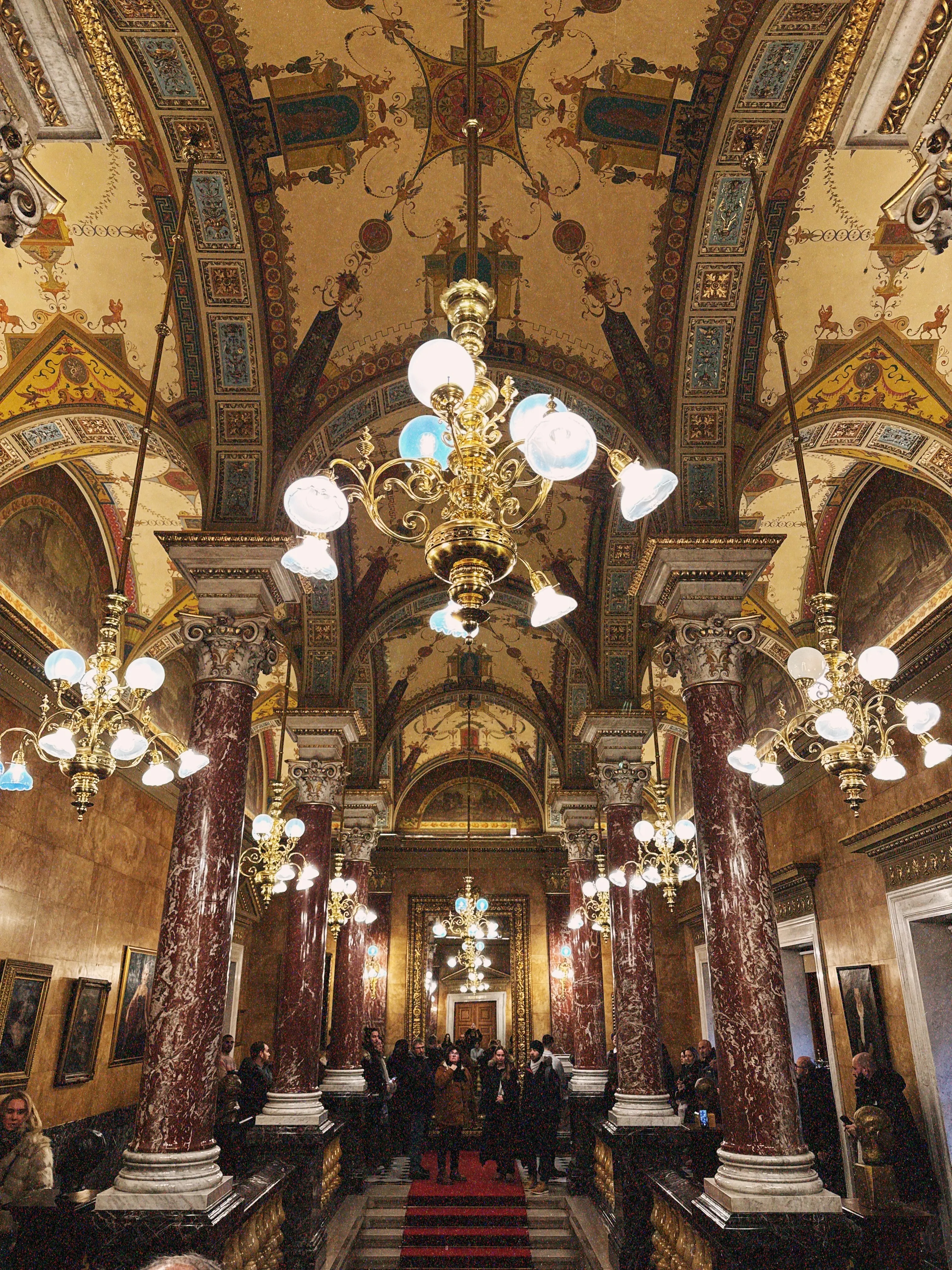
Budapest is a truly monumental city. The architecture is grand, blending Ottoman heritage, Austrian Baroque, and Art Nouveau. Here is what struck us the most.
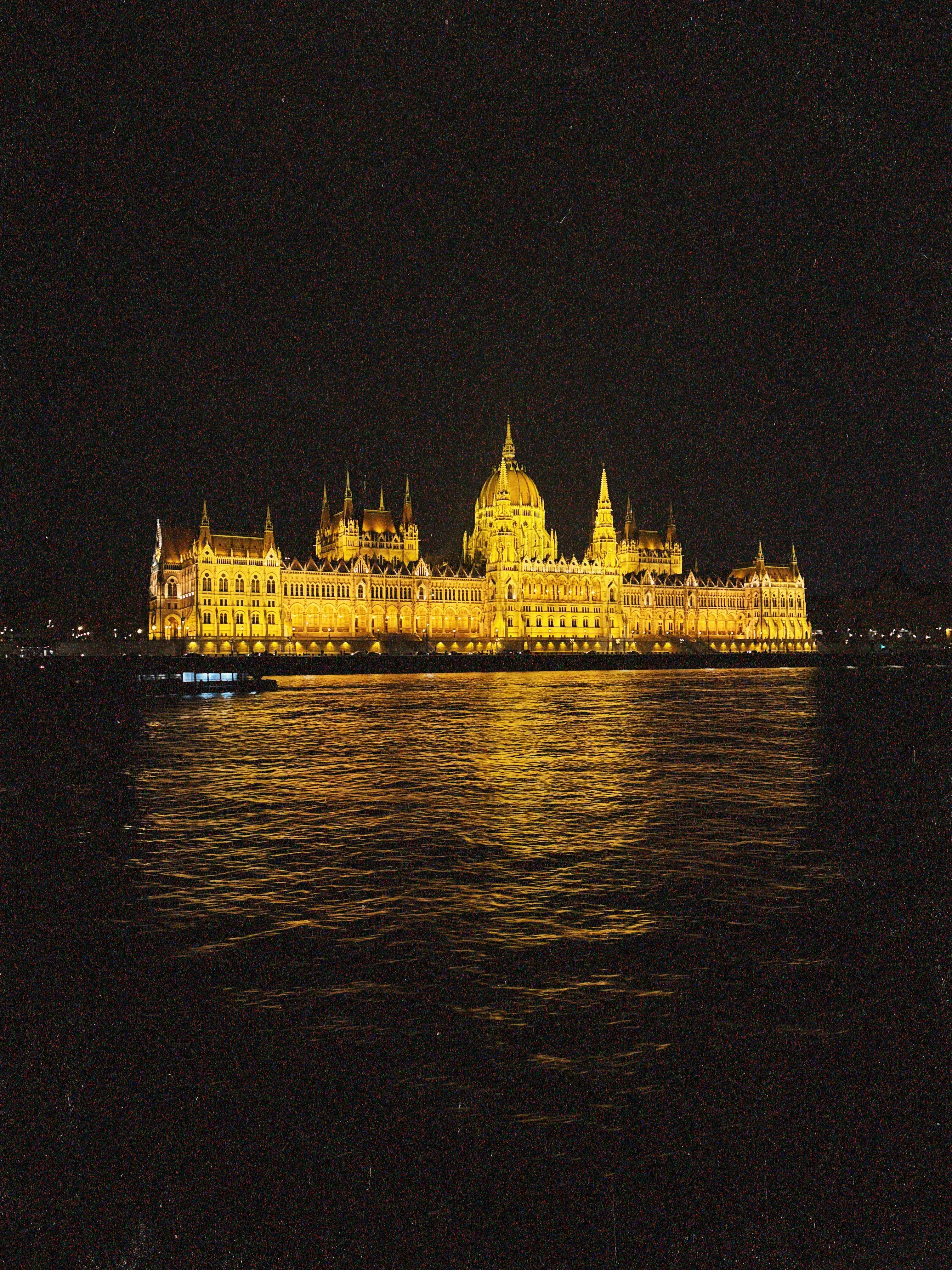
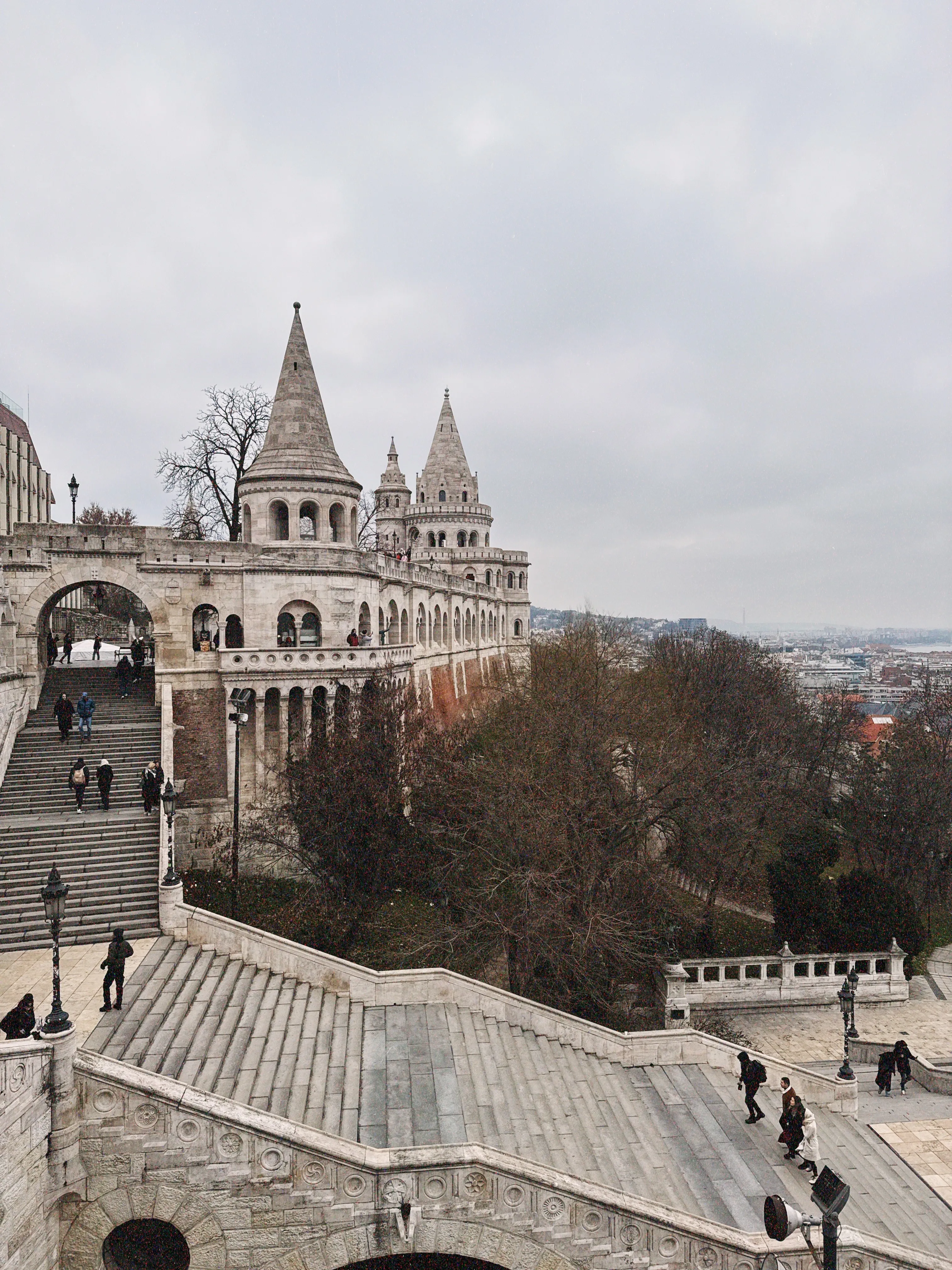
Bastion des pêcheurs (Halaszbastya): These Neo-Romanesque terraces offer the best view of the Parliament and the Danube. It's free if you skip the upper tower. Catching the sunrise here is pure magic.
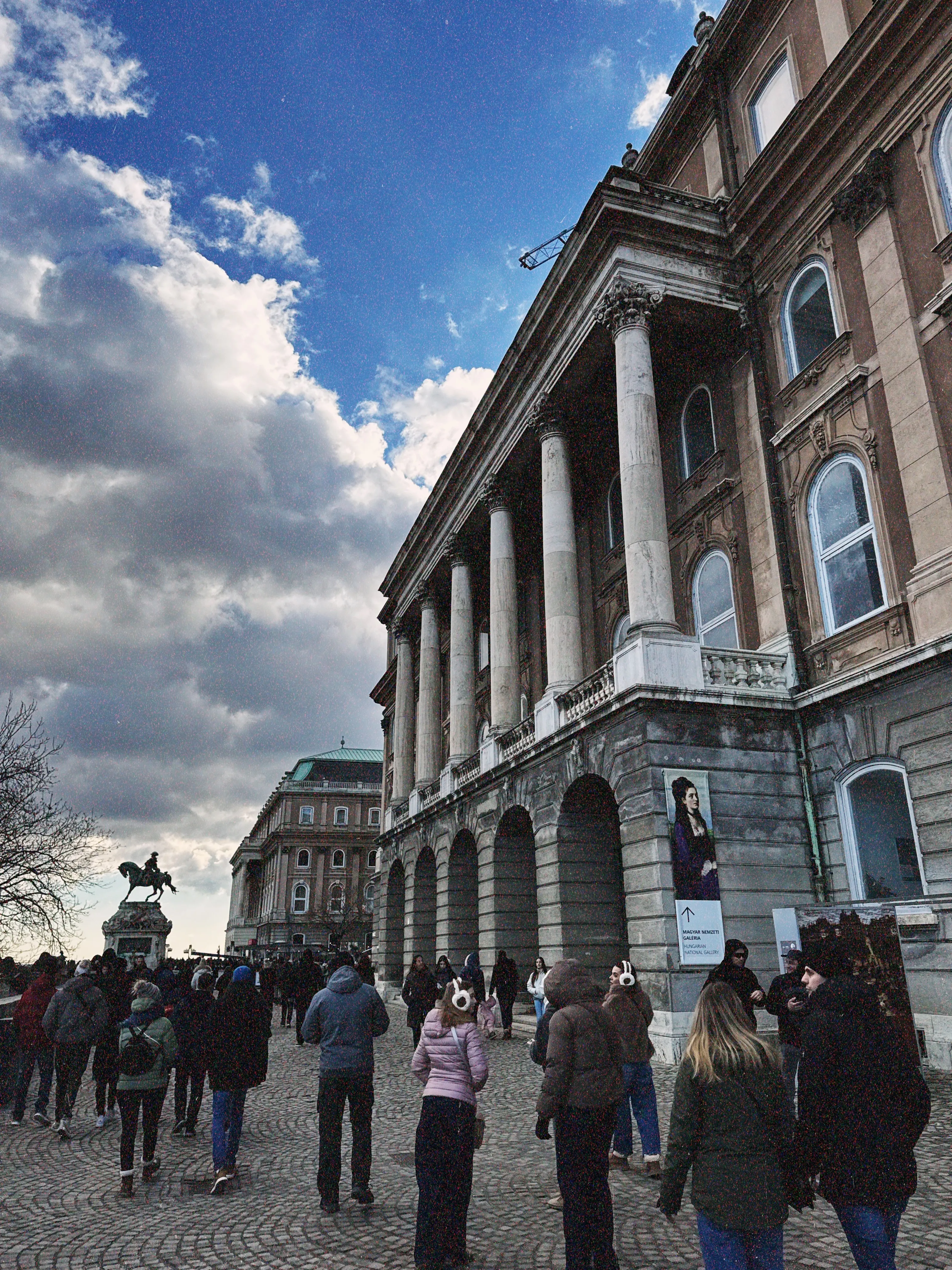
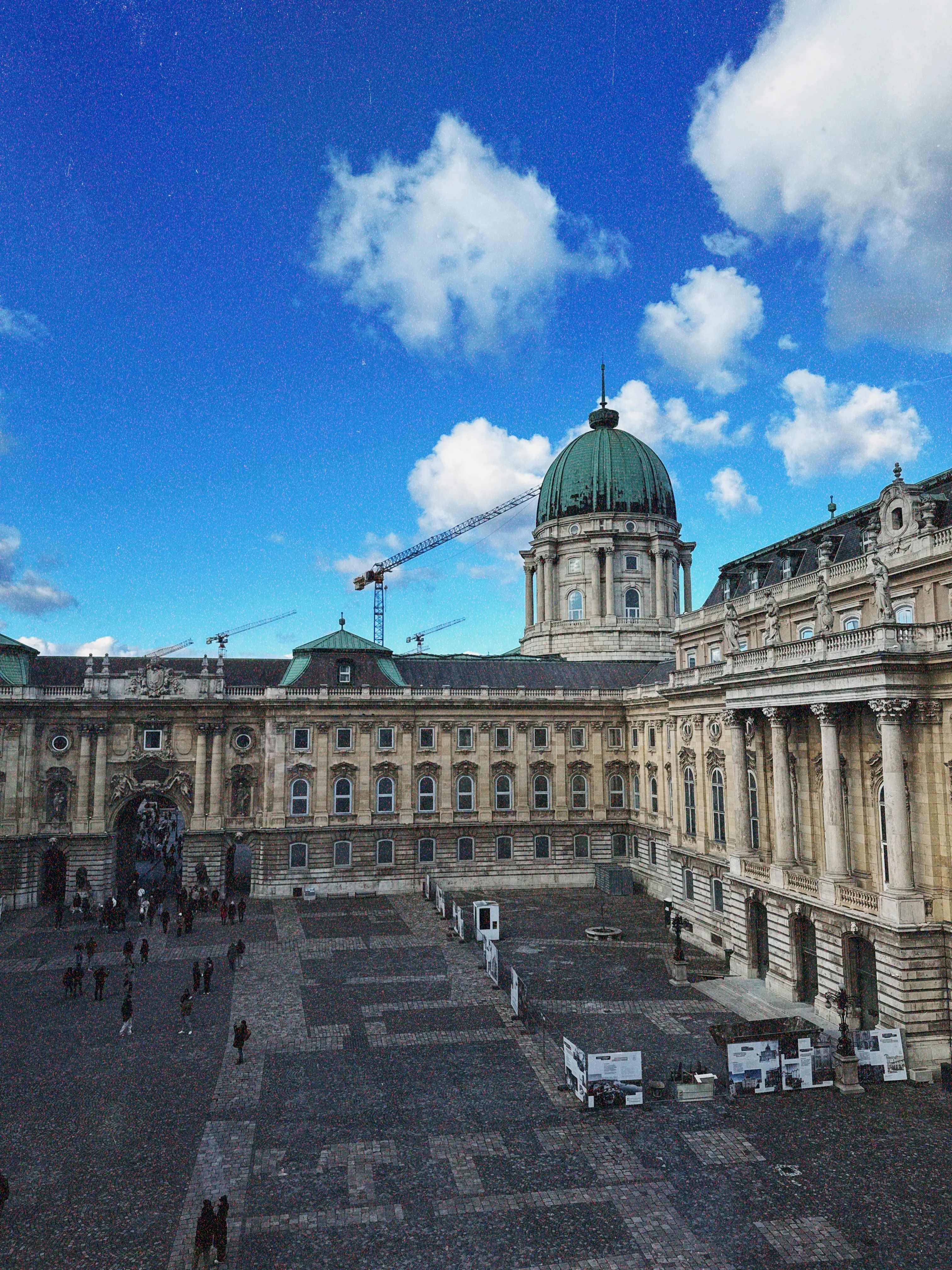
Palais de Budavar (Château de Buda): The former royal palace, now a museum, dominates Buda Hill. The walk up is well worth it for the charming backstreets and views, but you can also take the funicular.
Hosok tere (Place des Héros): This grand square features impressive columns and statues of Hungarian heroes. It is truly striking, especially at night when lit up. The City Park (Varosliget) is right behind it, where you is where you will find the Széchenyi baths.
Children's Railway (Huvos Volgy): A real train ride through the Buda hills, run entirely by kids (under adult supervision, of course). It's both nostalgic and charming, and the forest trail is absolutely beautiful.
Insider Tip The Budapest Card gives you unlimited public transit and free entry to several museums. It's well worth it for a 2-day-plus trip if you plan on doing lots of sightseeing. Otherwise, a standard day pass for transit alone will do just fine. |
5. Our favorite neighborhoods
VIIe arrondissement
The heart of the nightlife and ruin bars. Street art, restaurants, pubs: everything is packed into this area. It's also the most touristy spot in Pest, but it still holds onto a genuine charm that we just love.
Buda and Castle Hill
The other side of the river is quieter and more majestic. Here you'll find the Fisherman's Bastion, the Palace, and winding medieval streets. It's perfect for a daytime stroll before heading back down to Pest for the evening.
Along the Danube
The riverside promenade, especially on the Pest side between the Parliament and Liberty Bridge, is an absolute must-do. At night, when everything lights up, it offers one of the most stunning city views in all of Europe.
6. Practical tips
Budget
Budapest is one of the most affordable European capitals. Budget around 8-15 euros for a meal, 2-3 euros for a beer, and 15-20 euros to visit the thermal baths. If you are backpacking, you can easily get by on 40-60 euros a day. For a bit more comfort, expect to spend 80-120 euros.
Transportation
The metro is super fast, and the M1 line (the oldest in continental Europe) is an attraction in its own right. Tram 2 runs along the Danube on the Pest side, offering spectacular views. I'd recommend grabbing a day pass (around 5 euros) or the Budapest Card.
Currency
Hungary uses the Hungarian Forint (HUF), not the euro. Your best bet is to change money at currency exchange offices in the city center (you'll get much better rates than at the airport) or just withdraw from ATMs. While many spots accept cards, it's always a good idea to keep some cash on hand.