What to do in Cuenca in 3 days: budget and travel tips
Explore the beautiful colonial city of Cuenca, Ecuador—a UNESCO World Heritage site—with our handy guide! Whether you're staying for 3 days or more, we've got you covered with the absolute must-sees in the historic center, the best street art spots, tried-and-tested restaurants where you can eat for under $5, and all the practical info you need to visit the nearby Cajas National Park.
What to do in Cuenca in 3 days: budget and travel tips
Sitting at 2,500 meters high in the southern Andes of Ecuador, Cuenca welcomes you with a relaxed, gentle vibe that's a welcome change from the hustle and bustle of Quito or Guayaquil. As the country's third-largest city, with a historic center listed as a UNESCO World Heritage site since 1999, it is best explored on foot, easy on the wallet, and full of surprises around every cobblestone corner—where colonial history meets contemporary street art and centuries-old crafts. If you are planning a trip to Ecuador, Cuenca is a must-add to your itinerary: this city is packed with culture and history, and has a local warmth that makes every single day of sightseeing a real pleasure.
Why does Cuenca deserve a spot on your travel itinerary? Simply because few cities in South America offer such a rich culture in such a walkable package. With free museums, great meals under 5 dollars, authentic local crafts, and a national park just thirty minutes from downtown, three days here is the perfect amount of time to see why so many travelers end up staying longer than planned. Plus, the city is a fantastic base for exploring southern Ecuador, whether you're heading toward Baños and its outdoor adventures or checking out the indigenous markets of the Sierra.
What to do in Cuenca in 3 days: budget and travel tips for Ecuador
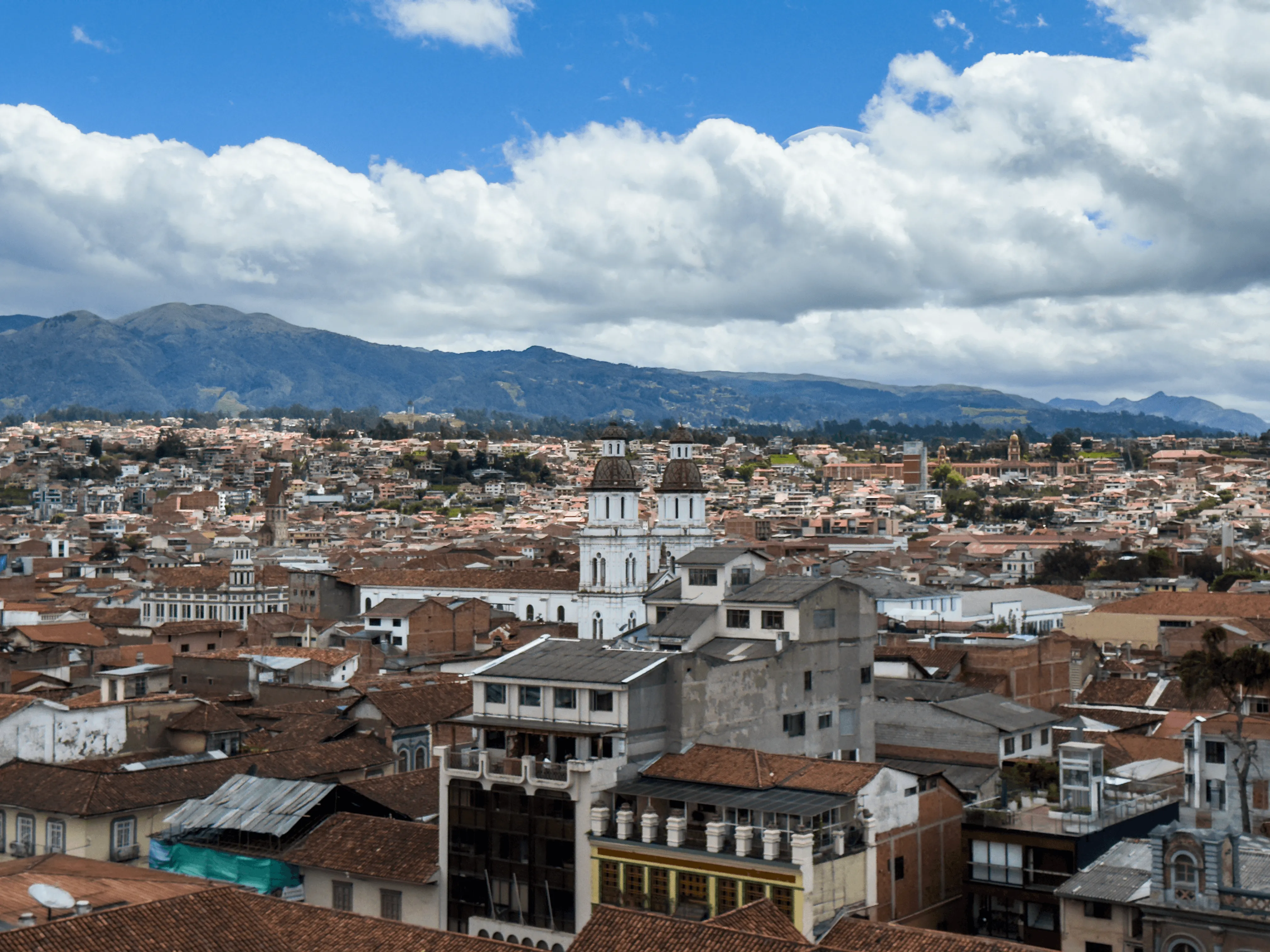
Cuenca is nestled in the southern part of Ecuador, right along the Pan-American Highway. If you're coming from Quito, plan on about an 8-hour bus ride. The town of Baños lies just along the way, and if you're looking to break up the journey, we've put together a complete guide to visiting Baños and its surroundings. Coming from Peru (Mancora), the trip takes about the same amount of time, including the border crossing. Taking the bus is definitely your best bet to reach Cuenca: it costs about 12 dollars from Quito, and you'll save yourself the carbon footprint of an internal flight.
Once you arrive by land, the bus terminal is just a 20-minute walk from the historic center. And that's where Cuenca reveals its first great perk: everything is walkable. You can cross the town from one end to the other in an hour at most, making it incredibly pleasant to explore without needing public transport. Be sure to download essential travel apps before you arrive, especially Maps.me for offline navigation.
For accommodation, we stayed at Hostel 1840, a hostel set in a historic building right in the heart of the old town, just two minutes from the cathedral. The rooms and dorms are spacious, and the management intentionally keeps guest numbers low to maintain a peaceful vibe, while still making it easy to mingle with fellow travelers. Its central location is the real game-changer: you are right in the heart of the action the moment you step out the door.
Hostel 1840 ⭐ 4.9/5
Hostel in a colonial building in the historic center, just two minutes from the cathedral. Tastefully renovated, featuring spacious dorms and private rooms, with a quiet atmosphere thanks to a deliberately limited capacity. The central location is its biggest asset for exploring Cuenca on foot.
Rates: dorms from $8 · private rooms from $25 📍 Google Maps
Must-sees in the historic center
You can easily explore the historic center of Cuenca in a single day. Between the flower-filled plazas, impressive cathedrals, and free museums, every street corner tells a piece of Ecuador's story. Here are the places that truly made our trip, all easily walkable and perfect for a backpacker budget.
1. Museo Pumapungo ⭐ 4.5/5
Much more than just a museum, Pumapungo is a botanical park stretching over several acres, dotted with ancient Inca ruins. The exhibits detailing historic Native American tribes offer a fantastic look into the diverse cultures of Ecuador. If this sparks your curiosity, we've written a complete guide on the Pumapungo Museum and the shrunken heads on display there.
Admission: Free · 8 am - 5 pm, Tuesday to Sunday 📍 Google Maps
2. Roof of the Cathédrale de la Inmaculada Concepción ⭐ 4.7/5
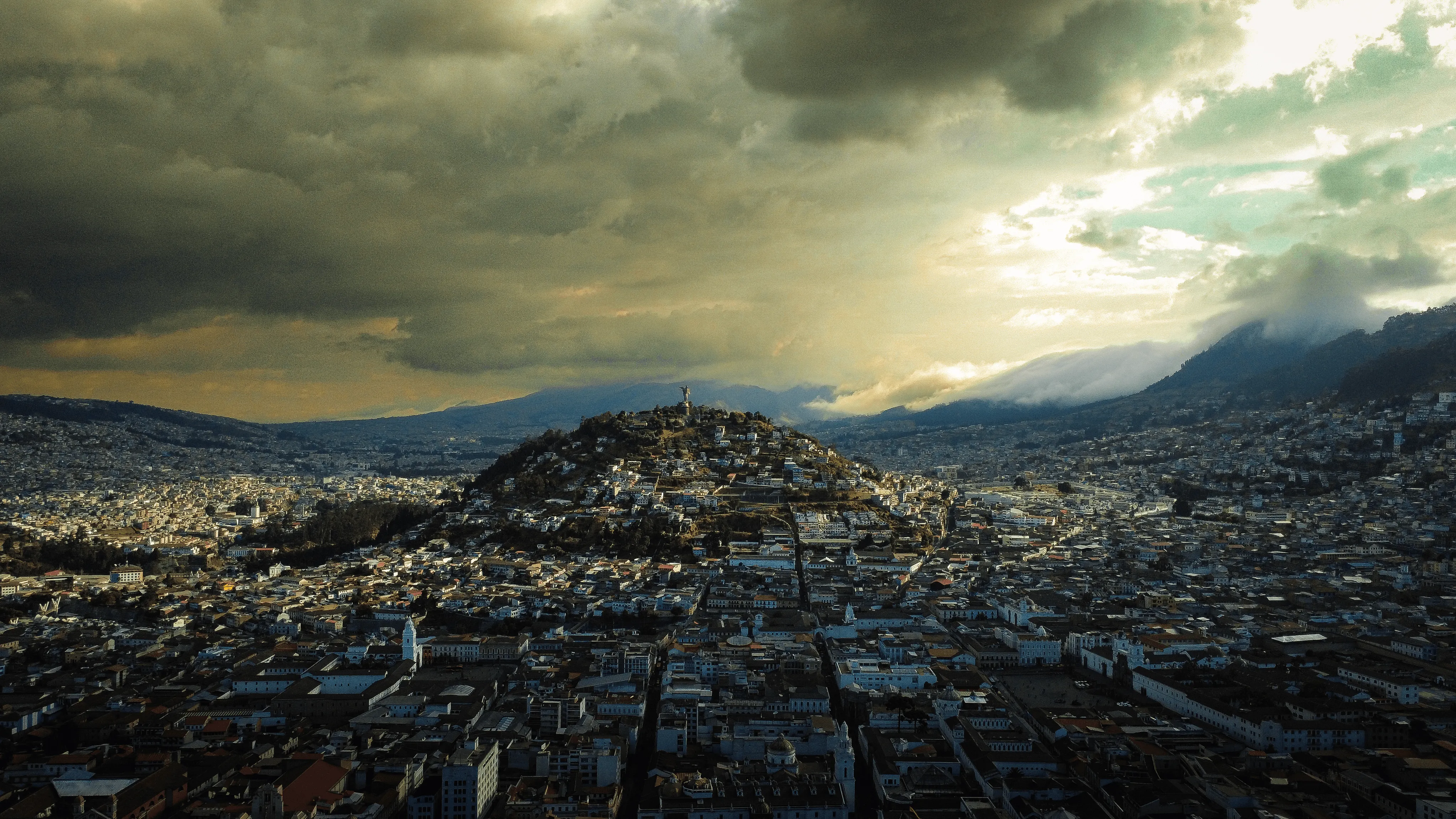
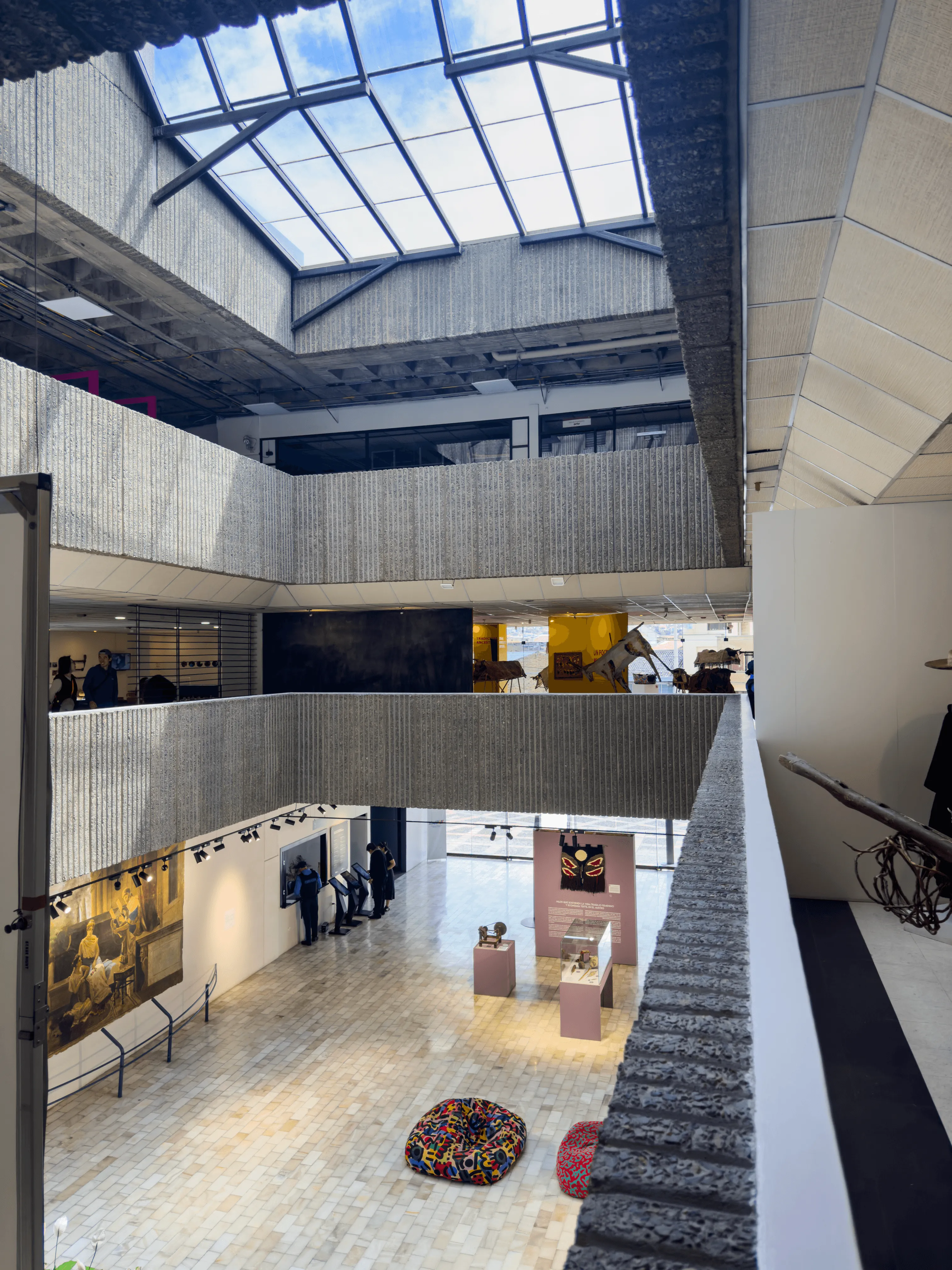
The new cathedral is the tallest building in Cuenca. Climbing the 155 steps through the side entrance (Calle Santa Ana, the oldest street in town) brings you right up to the blue and white domes that define the city's skyline. The outstanding 360-degree view over the historic center and the surrounding mountains is well worth the $2.50 entrance fee.
Access: $2.50 · 9 AM - 5 PM 📍 Google Maps
The Paja Toquilla and Sombrero Museum ⭐ 4.7/5
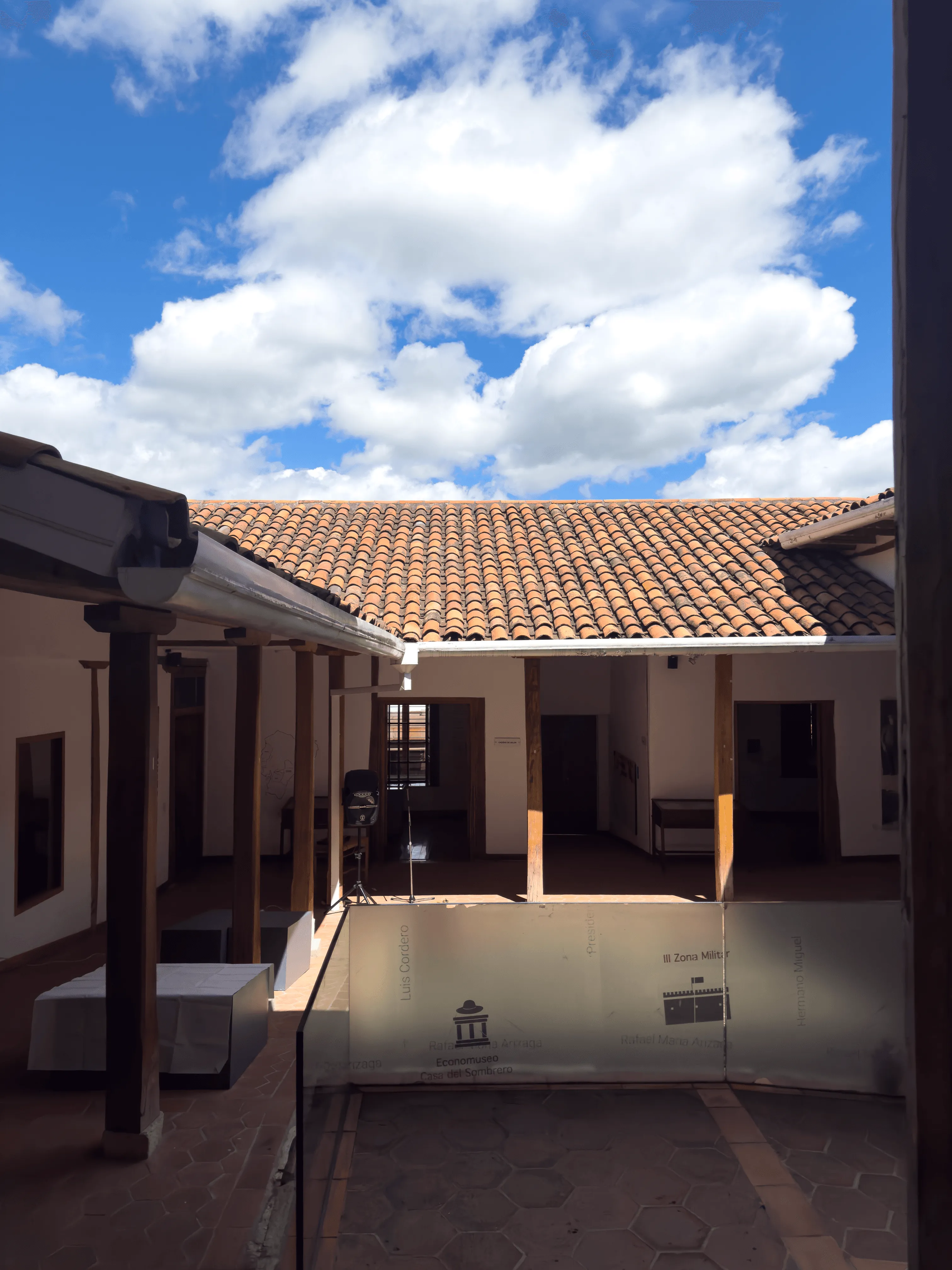
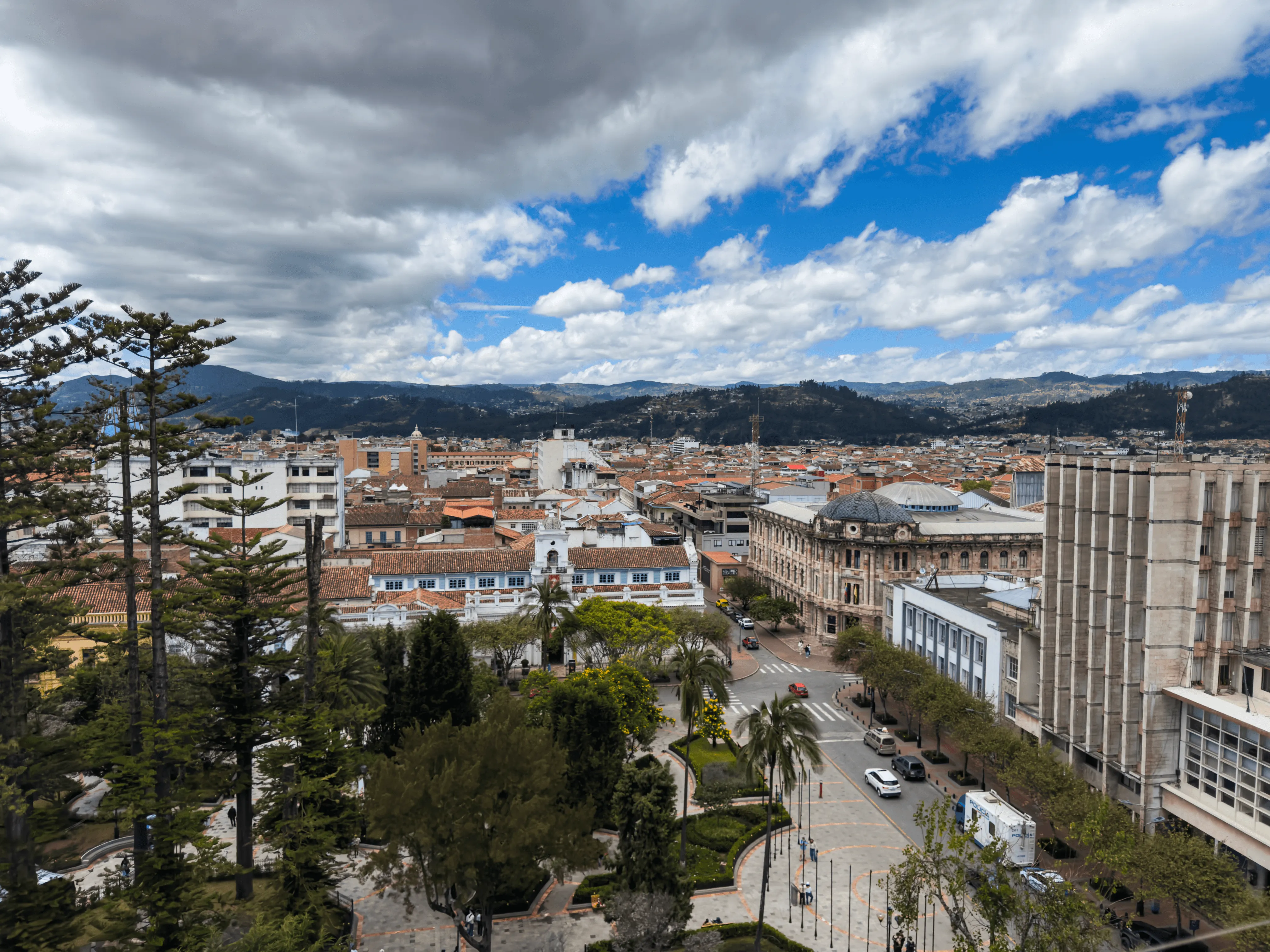
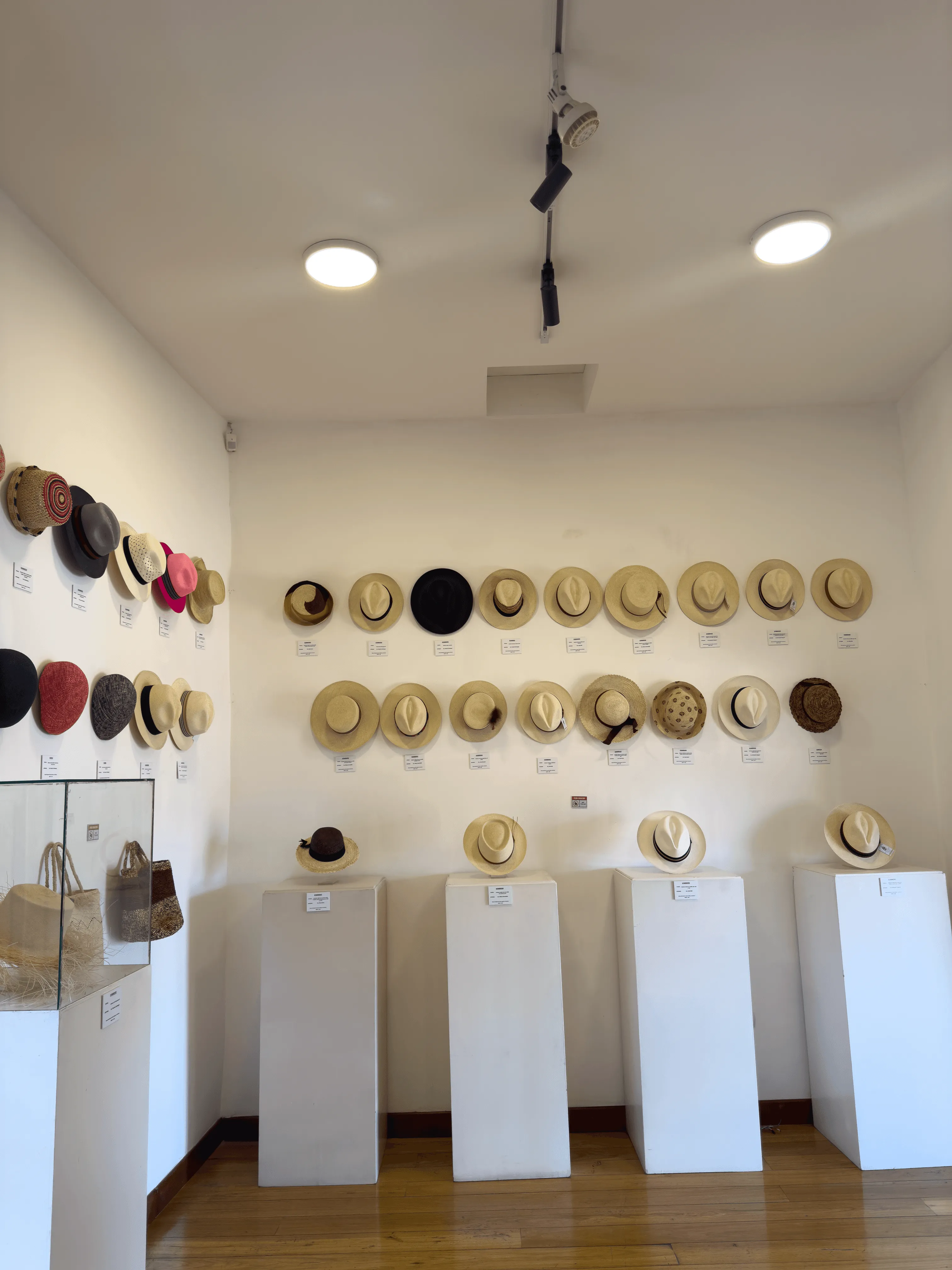
You can't really talk about Cuenca without mentioning Panama hats and the incredible craftsmanship behind them. Tucked away in the northern part of the city, this free museum traces the history of Paja Toquilla weaving, from its artisanal roots to the global fame of Panama hats today. There is even an on-site shop where you can pick up authentic, locally handcrafted hats and accessories.
Access: Free - Monday to Saturday - 9 AM - 5 PM 📍 Google Maps
3. Museo de Arte Moderno ⭐ 4.4/5
Even if contemporary art isn't usually your thing, this museum is definitely worth a look. Housed in a beautiful former colonial building, it showcases regularly rotating exhibitions by Ecuadorian and international artists in a stunning architectural setting that is a masterpiece in its own right.
Access: Free - Monday to Sunday - 9 AM - 5 PM📍 Google Maps
The Flower Market
Cuenca’s famous flower market (Plaza de las Flores) is located right on the square of the El Carmen de la Asunción church. Open daily during the day, it's a beautiful burst of colors and scents. You'll find stalls selling a wide variety of flowers, especially roses at incredibly low prices—not surprising when you consider that Ecuador is one of the world's largest rose exporters!
Access: 📍 Google Maps
5. Calle Simon Bolivar
Calle Simon Bolivar showcases some of the finest architecture in Cuenca. Strolling between Parque San Sebastian and Parque San Blas, you'll walk past continuous colonial facades that really highlight the urban harmony of this UNESCO World Heritage city. Be sure to take your time here; it's the very soul of Cuenca.
Access: Free · 9 AM - 5 PM 📍 Google Maps
6. Calle Las Herrerías ⭐ 4.3/5
Once the blacksmiths' quarter (which is where it gets its name), this street is now the perfect spot to sample the local cuisine. Make sure to try a quimbolito, a delicious traditional cornmeal cake steamed inside a banana leaf. It’s also home to the Museum of Earth and Fire Arts, which traces the history of Ecuadorian ceramics.
Access: Free 📍 Google Maps
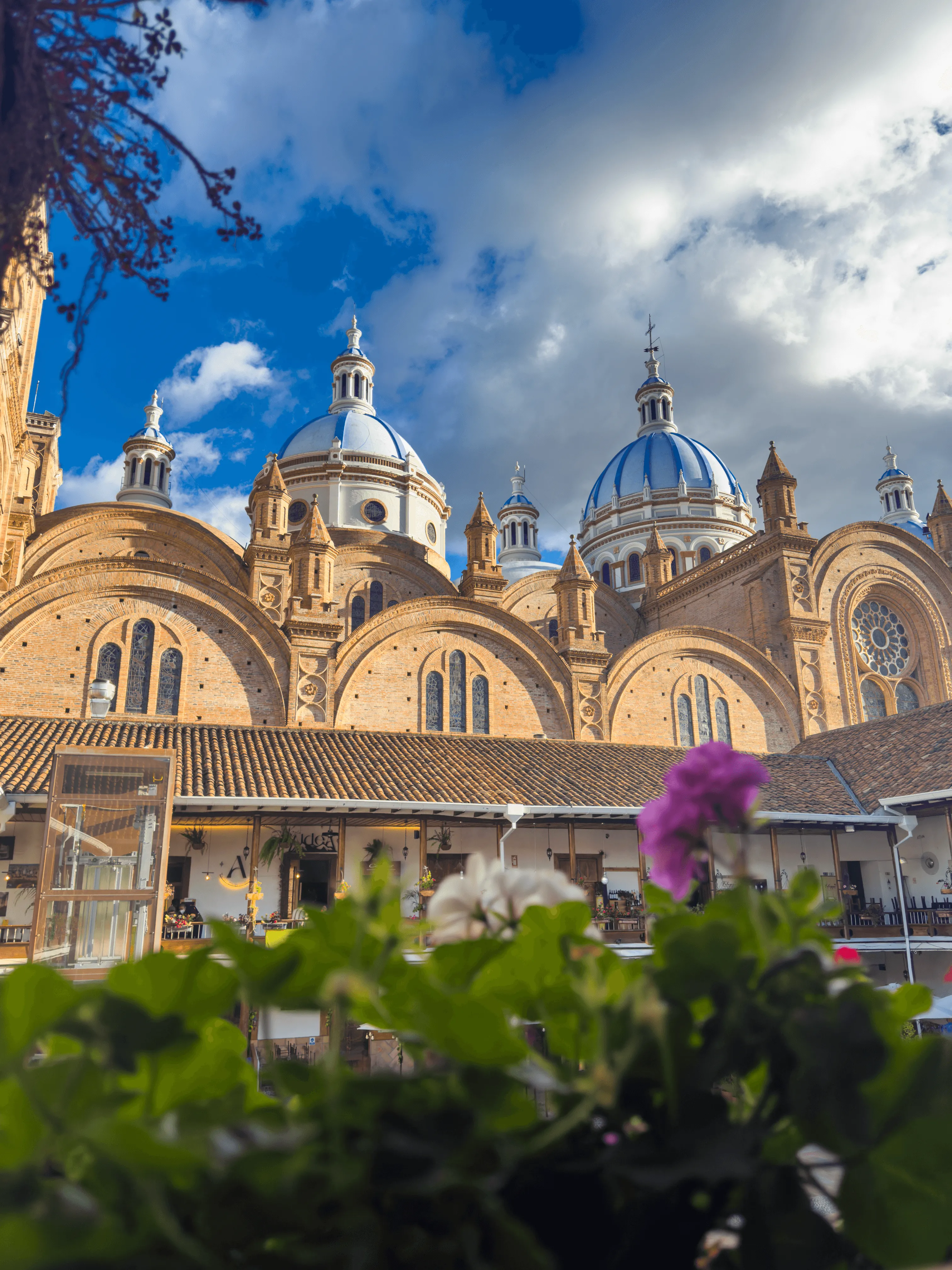
Beyond these main sights, the historic center is full of hidden gems. Plaza Calderón, the geographic heart of the city, offers a lovely, shaded spot to sit on a bench and admire the cathedral (Google Maps). The Plaza de las Flores, right next to the El Carmen de la Asunción monastery, is where local florists gather, and you can grab a beautiful bouquet for about 2 dollars (Google Maps). Finally, the Plaza de los Geranios Colgantes, nestled between nearby restaurants and the cathedral, offers a fantastic angle to photograph the iconic blue domes.
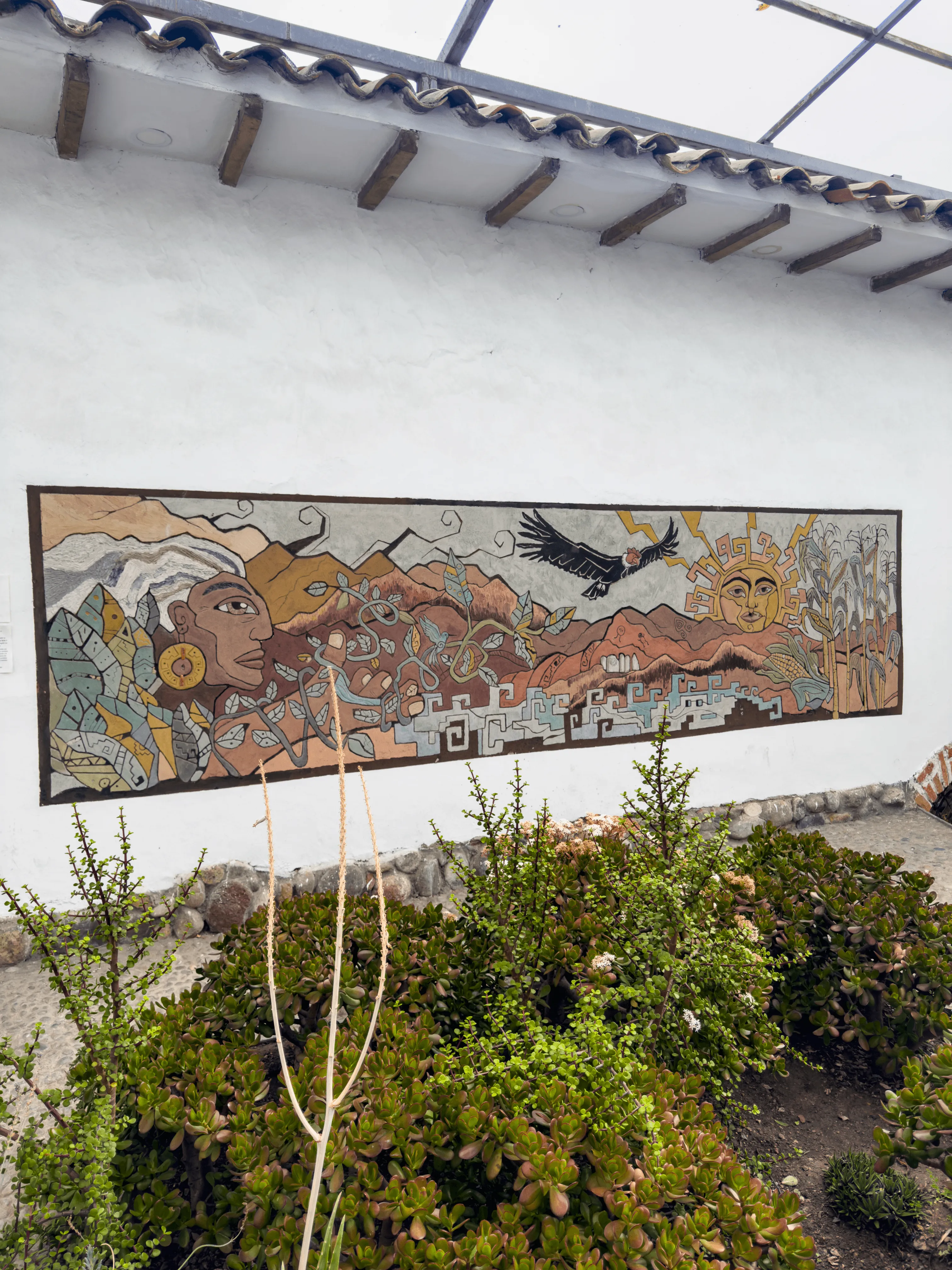
For those looking to dive into the local culture, Cuenca is a city where chatting with the locals happens naturally. The Cañari people, the pre-Inca original inhabitants of the region, have left a lasting legacy. You'll spot their symbols and heritage everywhere, from street names to the beautiful handmade patterns you'll find at the markets.
The street art of the Convención 45 neighborhood

Street art in Cuenca was, for us, one of the most memorable discoveries of our trip. The Convención 45 neighborhood has a high concentration of murals that really takes you by surprise in a city that seems so traditional at first glance.
The route is straightforward: start from the Casa Patrimonial del Alfarero. Walk along this street for five minutes, then double back and explore all the little streets on your left until you find yourself back at the Casa Patrimonial. The artworks range from socio-political pieces to indigenous motifs and contemporary designs. It's a walk you won't find in any guidebook, and that is exactly what makes it so special (Google Maps).
Another spot that's well worth a detour is Calle Rafael María Arizaga. Start your walk from the Museo Municipal de la Paja Toquilla y el Sombrero and head down to Plaza Monroy. The walls along this street tell a different story of Cuenca—one that is more urban and rebellious.
This contrast between colonial heritage and contemporary artistic expression really shows off Cuenca’s cultural vitality. The city doesn't just preserve its past; it reinvents it. It’s this knack for blending tradition with modern life that sets Cuenca apart from other colonial cities in South America. Just be sure to check out our dos and don’ts for travelers before you start photographing the murals: in some residential areas, keeping a low profile is highly appreciated.
Where to eat in Cuenca for under 5 dollars
One of the biggest selling points for Cuenca has to be its amazing value for money when it comes to dining out. We tested seven local spots where you will never spend more than 5 dollars per meal. Every single one is family-run and uses fresh, regional ingredients. We’ve even put together a handy map at the end to help you find them all easily!
1. Comer Sanar Vivir ⭐ 4.7/5
This vegetarian and vegan gem proves that eating healthy, local food is anything but boring. The dishes are crafted with seasonal produce, portions are hearty, and the prices are hard to beat. It’s a wonderful alternative to your typical daily almuerzo.
Price: 3-5$ per dish 📍 Google Maps
2. Nandala Cocina ⭐ 4.6/5
Authentic home cooking in a cozy, intimate setting. Their almuerzos (lunch specials) are incredibly filling and offer a great way to taste traditional Ecuadorian flavors without breaking the bank. The warm service makes you feel right at home in their relaxed atmosphere.
Price: almuerzo 4$ 📍 Google Maps
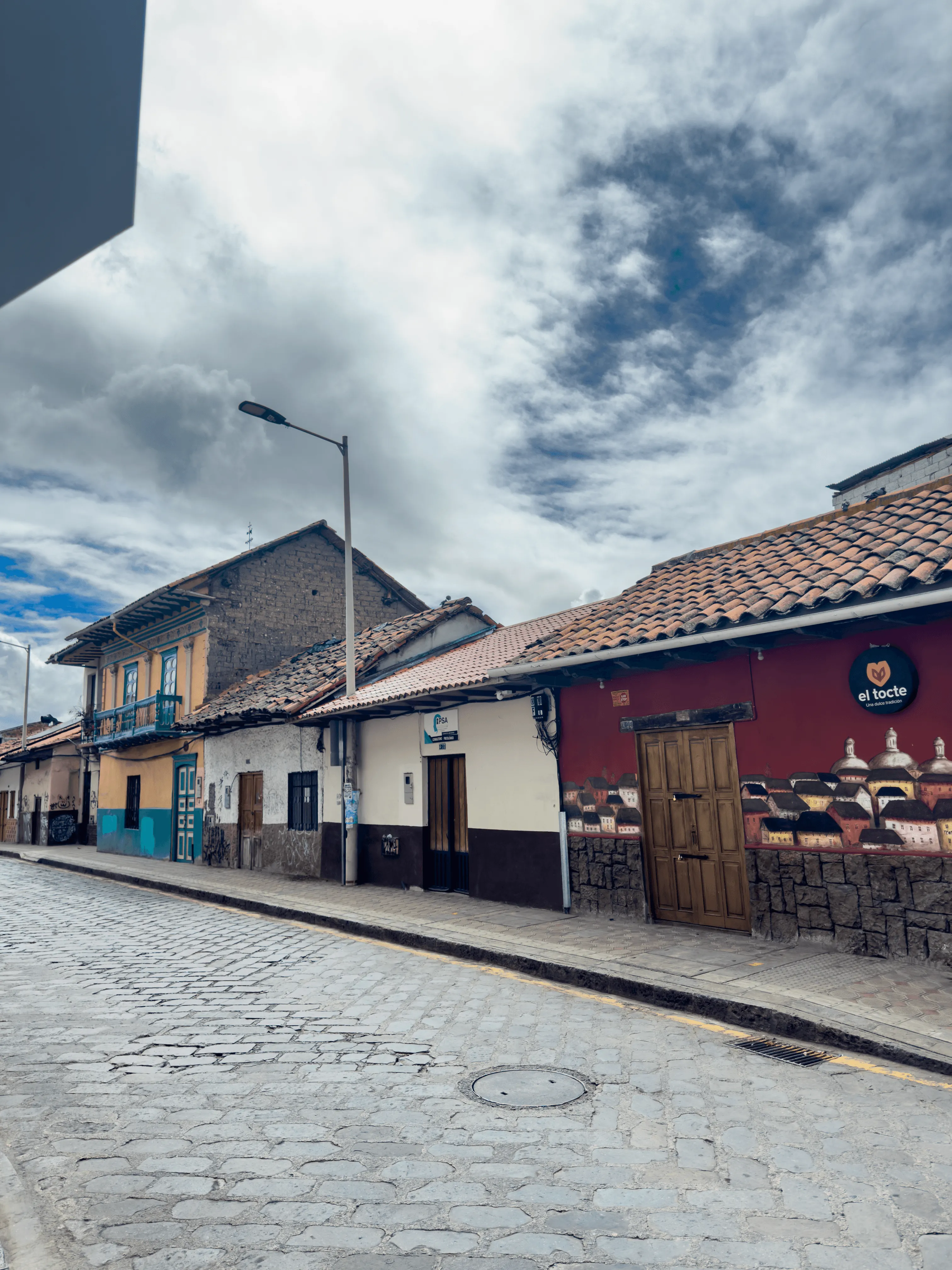
3. Yùa ⭐ 4.5/5
This restaurant focuses on local ingredients and traditional recipes from the Sierra. The spot is low-key, but the quality is always top-notch. It's a great option if you want to experience authentic Andean cuisine without any of the fuss.
Access: 3-5$ 📍 Google Maps
4. El Nuevo Paraíso ⭐ 4.4/5
With two locations in town (Parque San Blas and Calle Présidente Cordova), you can tell this place is a hit with the locals. The food is simple, hearty, and satisfying. The generous portions make it great value for money.
Access: 3-5$ 📍 Google Maps
5. Formosa Taiwan ⭐ 4.3/5
For a break from Andean dishes, this Taiwanese spot serves up tasty Asian dishes at Ecuadorian prices. It's a welcome alternative on those days when you want to switch things up after eating local food for a while.
Access: 4-5$ 📍 Google Maps
And where should you head for breakfast in Cuenca?
For food lovers, Cuenca also boasts a bakery scene that’s well worth exploring. EFÁ Clásico crafts sourdough bread (masa madre) with a level of skill that rivals the best spots back in Europe. Panasia fuses French pastry-making with Japanese mochis, an unexpected combo that works beautifully. El Francés and La Cigale serve up viennoiseries in the true French tradition. Palier, a cozy cafe-bookstore, is the perfect spot to curl up with a book and sip a rich Ecuadorian hot chocolate.
Two more gourmet spots round out the list. At Paccari, an elegant chocolate shop, you'll discover Ecuadorian cacao in all its glory. Ecuador produces some of the finest cacao in the world, and Cuenca is the perfect place to see for yourself (Google Maps). And for a truly unique treat, head to Bogati to try their traditional cheese ice cream—a local specialty that sounds surprising but is absolutely delicious (Google Maps).
Cajas National Park: wilderness just 30 minutes from Cuenca
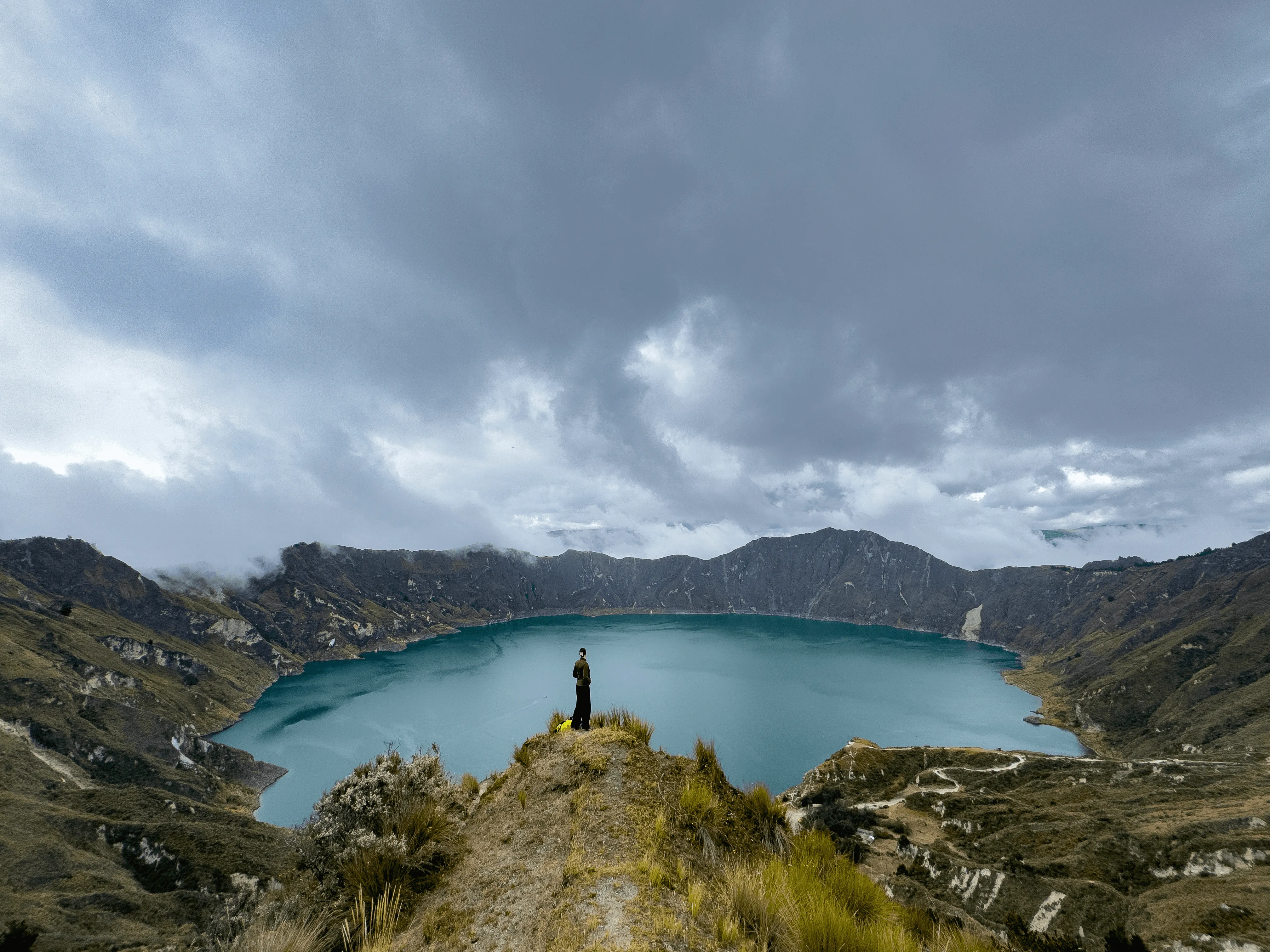
Just west of Cuenca, the Cajas National Park spans 28,000 hectares of Andean páramo. Boasting 235 glacial lakes, well-marked trails, and a unique ecosystem, it’s the one nature excursion you simply can't miss while in town. If you love high-altitude hiking, Cajas will treat you to stunning páramo landscapes—those high-altitude grasslands typical of the Ecuadorian Andes, which you can also experience on the Mama Rumi trek between volcanoes and the Amazon.
With several trails of varying difficulty, there’s something here for every fitness level. The hike around Laguna Toreadora takes about 3 hours and winds through a Polylepis forest often shrouded in a magical mist. If you're up for a challenge, longer 5 to 6-hour routes will take you up to 3,900 meters above sea level with sweeping views over the lagoons. Getting to the park is easy: just hop on a bus from Cuenca (about a 45-minute ride). Be sure to pack a waterproof jacket and some sunscreen—the high altitude makes the sun surprisingly strong, even on cloudy days. Check your gear with our backpacking checklist before heading out.
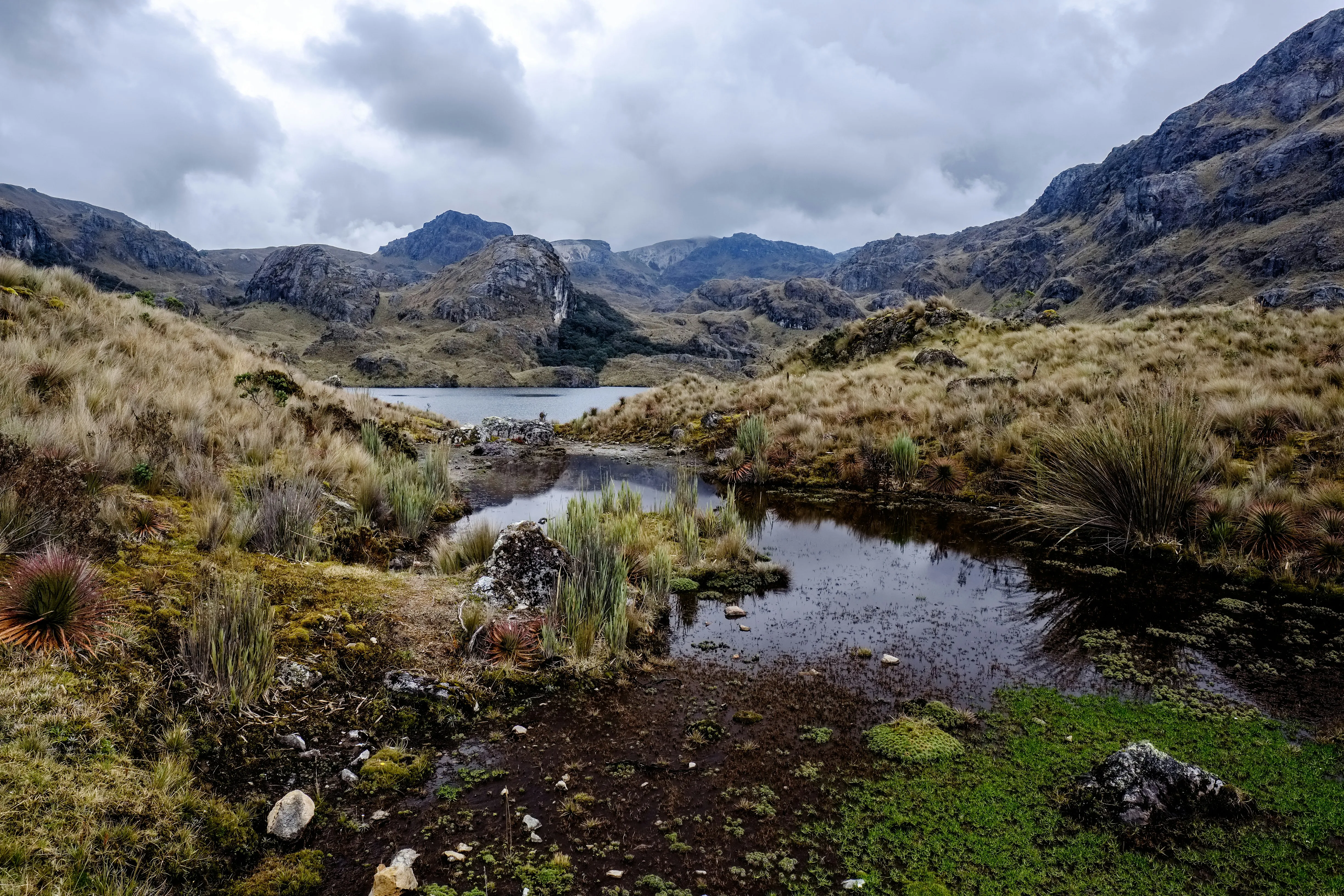
Also, if you haven’t fully acclimated to the altitude yet, we highly recommend spending at least a day in Cuenca (2,500 meters) before heading up into Cajas. Fun fact for history buffs: the park also contains a section of the Qhapaq Ñan, the Royal Andean Road that once connected the far reaches of the Inca Empire. It’s a wonderful reminder that these lands were traveled long before the Spanish arrived.
Admission: Free · Open daily 📍 Google Maps
Crafts, museums, and hidden gems of Cuenca
Cuenca is the Ecuadorian capital of the Panama hat, a traditional craft you can discover in detail in our article dedicated to the origin and history of this hat. The Museo Municipal de la Paja Toquilla y el Sombrero or the Homero Ortega Hats factory are great places to watch the different stages of production, from the weaving of the Carludovica Palmata plant fibers to the finished product.
Why the name "Panama" for an Ecuadorian hat? Because it was the workers building the Panama Canal who popularized it in the 1880s by wearing it to protect themselves from the sun. But the traditional craftsmanship has been deeply rooted right here, in Cuenca, for generations.
For textile crafts and jewelry, the villages of Gualaceo and Chordeleg, about an hour's drive away, are well worth the trip. Gualaceo is famous for its ancestral ikat weaving technique, while Chordeleg specializes in gold and silver filigree. Back in town, CEMUART (Municipal Craft Center) and the Mercado Rotary bring local artisans together under one roof (Google Maps). Casa Yangoe and AYNI offer more contemporary crafts, featuring pieces that blend tradition with modern design. If you are looking to meet locals and share in their daily life, these workshops are fantastic places to connect.
When it comes to museums, the Prohibido Centro Cultural steps off the beaten track with alternative art exhibitions (Google Maps). The CIDAP (Centro Interamericano de Artes Populares) is housed in a building that looks like a Spanish castle, right on the banks of the Río Tomebamba (Google Maps). The Museo de las Culturas Aborígenes showcases a collection of over 8,000 pre-Inca and Inca archaeological pieces. It even has a printed guide available in English, which is rare enough in Ecuador to be worth mentioning (entry is $8, Google Maps).
For a touch of nature right in town, a walk along the Río Tomebamba makes for a lovely stroll (it's best to go during the day). Parque El Paraiso and the gardens of the Universidad de Cuenca (entrance at Avenida 12 de Abril) are two green spots that most travelers miss. The Jardin Botanico is a great place to discover Andean flora in an educational setting. And if you are looking to unwind after a long day of walking, the Piedra del Agua thermal baths offer volcanic mud pools and hot baths in caves, just a few miles from the center.
Responsible travel in Cuenca
Cuenca is a natural fit for a sustainable trip. The city is compact enough to explore entirely on foot, so you won't need to worry about motorized transport for your daily wanderings. To get here, taking the bus is by far the most sensible option: a trip from Quito to Cuenca costs around 12 dollars and saves you the carbon footprint of a domestic flight. Plus, the indigenous markets of the Sierra along the way make the overland journey well worth the time.
The restaurants we recommend are all locally owned and soured with regional produce. By choosing Hostel 1840 or a family-run guesthouse over a hotel chain, you are directly supporting the local economy. For crafts, head to the CEMUART workshops or the villages of Gualaceo and Chordeleg, where your purchases directly benefit the artisans themselves.
So, in Cuenca, traveling responsibly doesn’t take any extra effort: it is just the natural way to experience a city on a human scale, where the best moments are often the simplest ones. Take your time to chat with the artisans, try a street-side quimbolito instead of a dessert in a tourist restaurant, and sit on a bench in Plaza Calderón to watch the world go by. It’s this kind of approach, which we talk about in our article on the best ways to immerse yourself in local culture, that turns a trip to Cuenca into a truly unforgettable experience.