Workaway review: our volunteering experience in South America (complete guide)
Our Workaway feedback after our South America tour. Platform comparison, animal rescue missions, wwoofing, budget, and tips on how to get started with volunteering for free.
Workaway review: our volunteering experience in South America (complete guide)
What is Workaway and how does it work?

Workaway is an online platform that connects volunteer travelers with hosts all over the world. The concept is simple: you offer a few hours of help a day (usually 4 to 5 hours, 5 days a week) in exchange for accommodation and often meals. No salary, no traditional employment contract. Above all, it's about genuine human connection.
The types of projects are incredibly diverse: helping out on a farm, teaching languages, hands-on DIY projects, helping in a hostel, volunteering at an animal shelter, gardening, content creation, cooking... The list is practically endless. Each host posts a listing describing what they need and what they provide in return.
The cost of Workaway: membership costs about 60 euros per year for a couple (or 49 euros for solo travelers). It's a tiny investment when you consider that each gig saves you food and accommodation for weeks. Over a year of traveling, we reckon we saved more than 3 000 euros on accommodation alone thanks to Workaway. For anyone looking to travel long-term on a budget, this is a massive game-changer, which we also break down in our article on one-way ticket travel.
How do you apply on Workaway?
The key to landing the best gigs is a polished profile and personalized messages. Here is what worked for us:
A complete profile with a photo: Hosts receive dozens of applications. A smiling photo of you as a couple and a detailed description of your skills make all the difference.
A personalized message: Forget copy-and-paste. Show that you have read the listing, ask specific questions, and explain why this particular gig caught your eye.
Apply 2 to 4 weeks in advance: The best hosts get snapped up quickly. The earlier you start planning, the more choices you will have.
Read the reviews: It is the best indicator. A host with plenty of positive reviews and detailed comments is almost always a safe bet.
Workaway or Worldpackers: which one should you choose?
This is THE question everyone asks themselves before signing up. After using both, here is our verdict:
Workaway is the original platform, boasting the largest number of hosts worldwide (over 50,000). The interface is a bit dated but functional. Its biggest strength is the sheer variety of projects and a well-established community with plenty of detailed reviews. It's our top pick for South America.
Worldpackers is newer, featuring a modern interface and a more thorough host verification system. The membership is slightly more expensive (around 60 euros/year) but includes basic travel insurance. Worldpackers is particularly strong when it comes to positions in hostels and tourist accommodations.
HelpX is the third player, older and with a more basic design, but it has a great network of organic farms. It is cheaper (around 20 euros for 2 years) but offers fewer urban-based opportunities.
Our recommendation: if you're heading to South America for several months, we highly recommend Workaway first and foremost for the sheer volume of opportunities. Even if you only do a single 2-week placement, it more than pays for your membership in your very first week of volunteering.
Types of volunteering opportunities in South America
South America is one of the richest regions for humanitarian volunteering opportunities. The variety of missions available is impressive. Here are the main categories we came across or tested during our travels:
Content Creation and Digital Skills
More and more hosts are looking for volunteers with skills in photography, video, social media, or web development. If you have these skills, you'll be in high demand. The perks are often top-notch (private room, all meals, sometimes even a small extra budget) because the value you bring is tangible and measurable for the host.

Helping Out in Hostels or Guesthouses
This is the most common gig you will find, especially in touristy cities. Typically, you will be asked to welcome travelers, handle check-ins, or help out with housekeeping and breakfast. In exchange, you get a dorm bed or a private room, and sometimes meals. It is a fantastic option if you love socializing and want to meet fellow travelers. We tried this out ourselves in Valparaíso, Chili, and the vibe was absolutely amazing.
Animal Welfare Volunteering
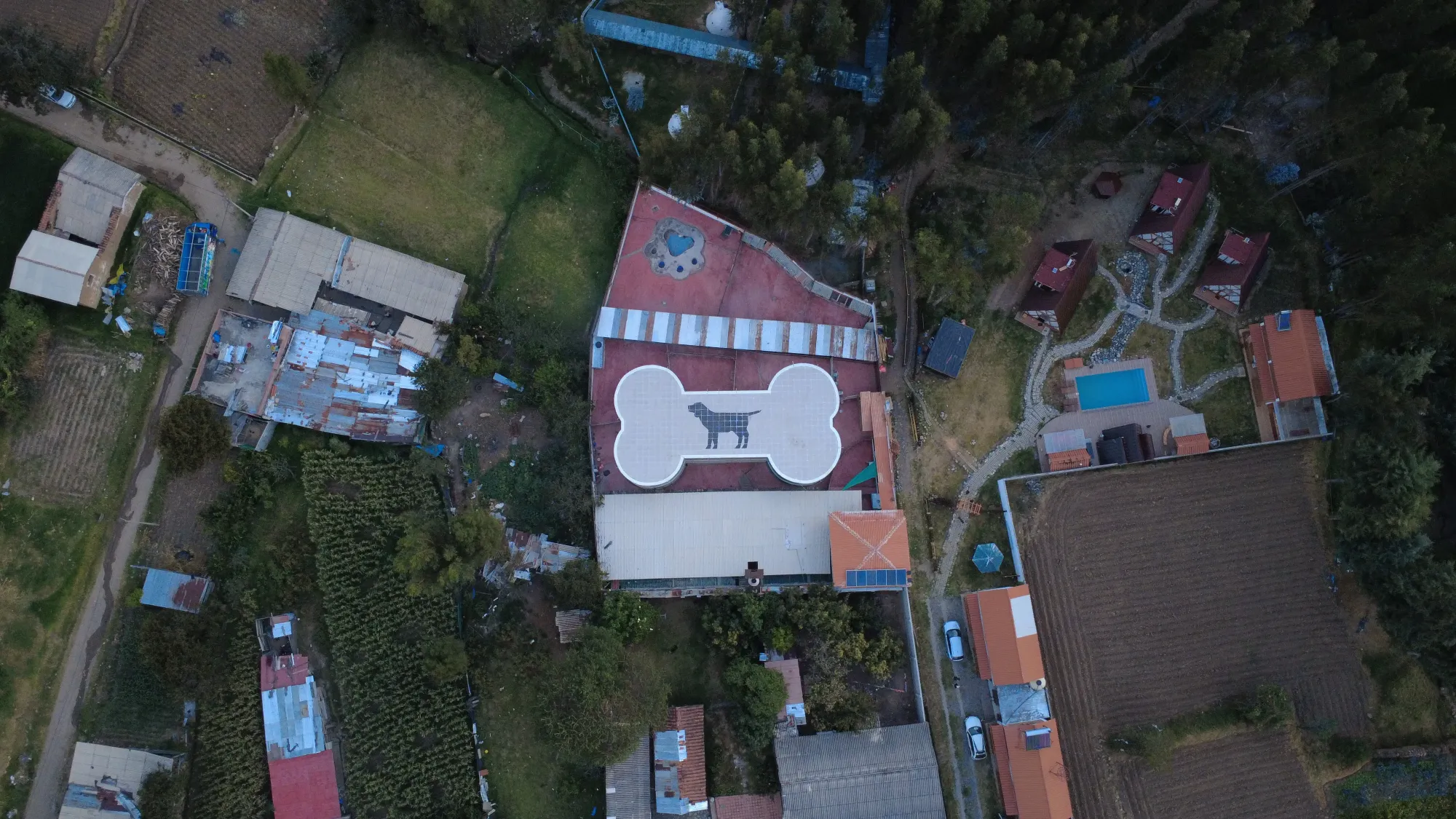
Animal rescue volunteering is a rapidly growing field. From dog and cat shelters to wildlife rehab centers and sanctuaries for rescued animals... there is no shortage of opportunities. In Peru, we spent several weeks at a shelter for 96 dogs in Carhuaz—an intense experience that we share in detail in our dedicated article on animal volunteering in Peru. These animal rescue missions require good physical condition and strong emotional resilience, but the reward is truly immense.
Just a quick heads-up: many travelers look for a paid animal volunteer gig. Let’s be clear: shelter work is almost never paid. The model is based on an exchange (your time for room and board) or pure volunteering. If someone offers you a paid animal gig but asks for a hefty "registration fee" upfront, be cautious—it is often a scam. Real shelters need hands on deck, not cash.
WWOOFing and Organic Farms
WWOOFing in South America (World Wide Opportunities on Organic Farms) is all about working on organic farms in exchange for food and accommodation. You might find yourself picking fruit, tending the veggie garden, feeding farm animals, or learning about sustainable farming techniques. It is hard work, but incredibly rewarding and educational.
In Uruguay, we spent three weeks on a small organic farm near La Barra. We planted trees and tomatoes in the morning, leaving our afternoons completely free to hit the beach. It was an idyllic way of life. Argentina, Chili, and southern Brazil also offer fantastic WWOOFing opportunities, especially in vineyards and market gardens. If rural immersion sounds like your kind of adventure, our article on La Barra in Uruguay gives a great insider look at this lifestyle.
Community Projects and Teaching
Teaching English or French in a local school, helping renovate a community center, or taking part in a literacy program... these missions are often the most moving and humanly rewarding. In Ecuador, we lent a hand at an educational project in Latacunga, which allowed us to discover a side of the country rarely seen by tourists. We talk all about it in our Ecuador guide, detailing what makes this country so special.
Budgeting: can you really volunteer abroad for free?
The budget question is always top of mind when covering free international volunteering. So yes, technically, volunteering through Workaway is "free" in the sense that you don't pay any participation fees for the project (unlike some agencies that charge hundreds or even thousands of euros). However, there are still some unavoidable costs to consider:
Workaway membership: 60 euros/year for a couple. It pays for itself in no time.
Flights: between 500 and 800 euros round-trip to South America, depending on the season and how early you book.
Travel insurance: around 30 to 50 euros/month for decent international coverage. Absolutely essential.
Transport between projects: Variable depending on the distances. Long-distance buses in South America usually cost between 10 and 40 euros depending on the route.
Days off: Between projects or during rest days, you'll need to cover your own meals. Budget about 15 to 30 euros/day depending on the country.
Visas: Most South American countries don't require a visa for French citizens (90 days renewable). No extra costs here.
Our estimate: By mixing Workaway projects (almost zero cost) and periods of independent travel, we spent an average of 600 euros per month per person in South America. That's well below what a standard trip would cost (1,200 to 1,500 euros/month). Volunteering isn't free in the strictest sense, but it is a fantastic way to travel long-term on a tight budget. For a closer look at the costs, our Peru vs Chili comparison gives you detailed daily budgets for each country.
Practical tips: how to volunteer while traveling
After a year of volunteering on the road, here are the lessons we wish we had known before setting off:
Before You Go
Sign up 1 to 2 months before leaving: Take the time to build a complete profile, browse listings, and start reaching out to hosts. The best gigs fill up fast, especially during peak season (June to September in South America).
Prep a mini volunteer resume: List your practical skills: cooking, DIY, languages, pet care, digital skills, gardening... Even things that seem basic (like a driver's license or experience with kids) are highly sought after.
Check your travel insurance: Make sure your insurance covers volunteering. Some policies exclude it. Chapka (Cap Adventure) and Safety Wing are reliable options for long-term travelers.
Learn the basics of Spanish: It’s not strictly mandatory, but it’s a total game-changer. An A2-B1 level is enough to connect with your hosts and fully experience the local life. Apps like Duolingo or Tandem are great for a quick boost.
For your gear prep, our travel packing checklist covers everything you'll need. And for essential digital tools, check out our selection of the best travel apps.
During the Experience
Communicate clearly: From day one, make sure you're on the same page about your host’s expectations: hours, tasks, days off, and whether meals are included. A simple misunderstanding early on can ruin the whole experience.
Be flexible: Things don’t always go according to plan, especially in developing countries. A water shortage, a change of schedule, an unexpected twist... flexibility is your best friend.
Set your boundaries: If a host pushes too far (more than 5 hours of work a day, tasks not mentioned in the listing, unsanitary conditions), you have every right to leave. It's rare, but it happens. Reviews on Workaway are there to flag these situations.
Make the most of your days off: Don't just hang around your room. Get out and explore, taste the local food, and connect with the locals. Your days off are perfect for mini-adventures.
After the Experience
Always leave a detailed review on your host's profile. This is what keeps the Workaway community alive and helps the next travelers make the right choice. Keep it honest: highlight the positives, but don't hesitate to share areas for improvement.

Traveling responsibly through volunteering
Volunteering is a natural fit for responsible travel, as long as your heart is in the right place. Here are the core principles that guided our choices throughout our journey:
Choose overland travel: Between missions, we always traveled by bus. Sure, it's slower than flying, but it's much better for the planet and so much richer for meeting people and enjoying the scenery. A night bus between Lima and Carhuaz costs 15 euros and saves you from a polluting domestic flight.
Support the local economy: By staying with locals, eating at markets and small family-run spots, and buying crafts directly from the makers, you make sure your money goes right where it’s needed most. Not into the pockets of a corporate hotel chain.
Pick ethical projects: Not all volunteer opportunities are created equal. Steer clear of orphanages (orphanage "voluntourism" has well-documented negative impacts on children), centers that exploit animals for entertainment (like elephant rides or tiger selfies), and projects that foster dependency rather than local self-reliance.
Make a long-term commitment: Staying for at least 2 to 4 weeks ensures you can make a real difference. One-week stays usually end up being more work than help for hosts, who have to constantly train new faces. If you connect with our way of traveling, our article on cultural immersion dives deeper into this approach.
Bottom line: how about making your next trip a volunteering adventure?
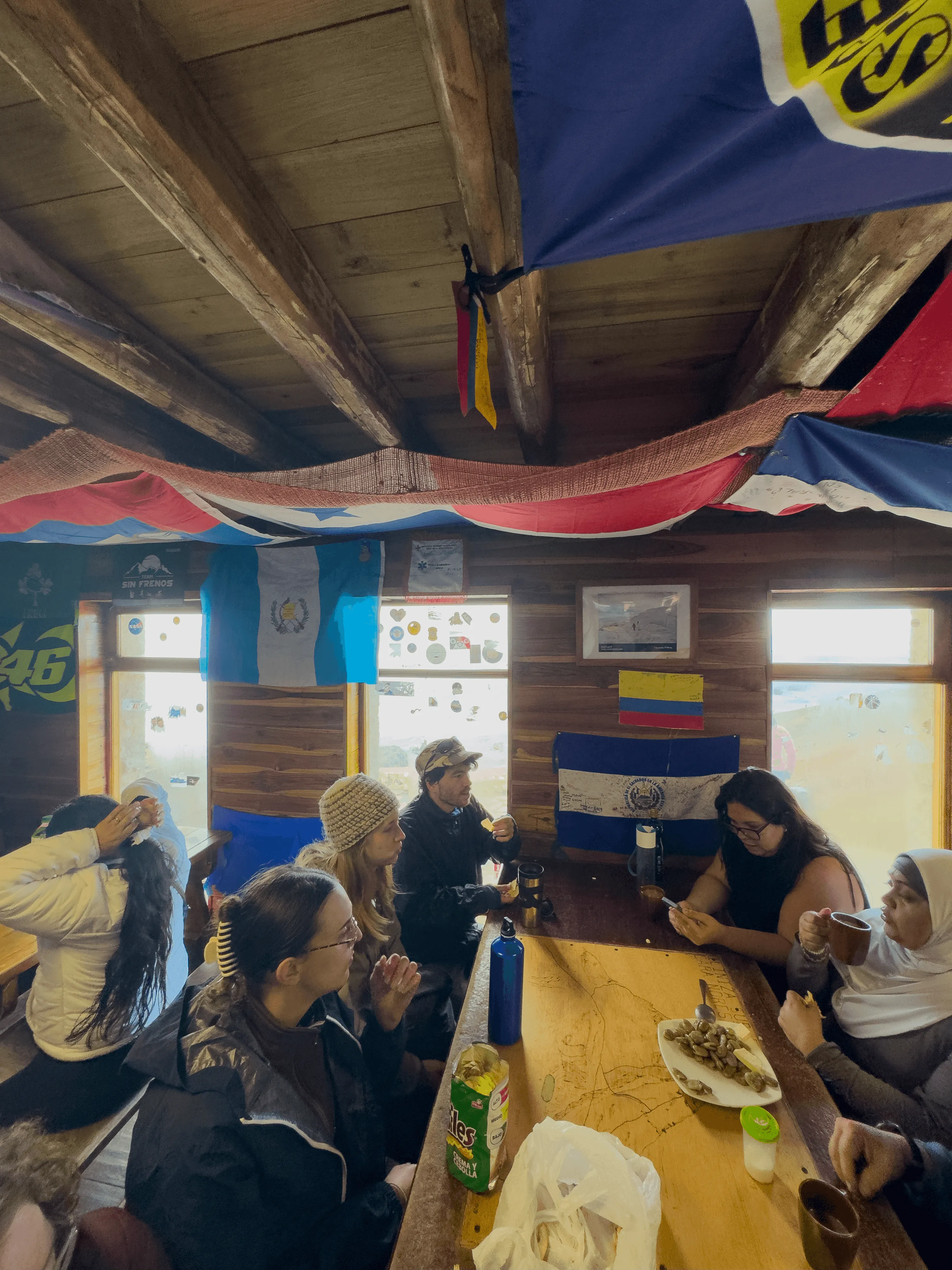
Volunteering in South America through Workaway isn't just a backup plan for broke travelers. It's a travel choice that opens doors no guidebook ever could. It's sleeping in a mountain shelter with 96 dogs ready to greet you every morning. It's learning how to pick avocados at sunrise in Uruguay. It's teaching French to Paraguayan kids who've never met a European before.
If the idea of a different way of traveling speaks to you, if you're looking for a humanitarian project abroad without breaking the bank, if you want a genuine experience rather than just ticking boxes on a bucket list... then go for it. Set up your Workaway profile tonight, start dreaming over the listings, and in a few months, you'll be somewhere in South America living the exact stories you're reading here.
And if you need one last push to get started, our bucket list of 50 must-try experiences and our travel dos and don'ts will give you that final boost.