Animal volunteering in Peru: our experience at a sanctuary
Volunteering at a dog shelter and looking after 98 dogs for 2 weeks is quite an adventure—you really build an amazing bond with the animals!
Animal volunteering in Peru: our experience at a sanctuary
When you think of Peru, you often picture Machu Picchu, the Nazca Lines, or the colorful streets of Cusco. But our journey took us far off the beaten path. For several weeks, we chose to volunteer at a tiny shelter nested in the Andes Mountains: Casa Viva, in Carhuaz. It was a volunteer experience at an animal shelter that left a deep impression on us, as much for the stunning scenery as for the reality of life on the ground.
In this post, we'll share what daily life is like surrounded by 96 dogs—the highs, the lows, and everything you need to know if you're planning your own volunteer trip with animals in Peru or beyond. We'll also share our top tips.
Why volunteer with animals while traveling?
Traveling is all about exploring new horizons. But sometimes, it's also about giving back. Volunteering with animals during your travels is a unique way to combine exploration with making a difference. Unlike a typical tourist trip, volunteering offers complete immersion in the local culture, an authentic connection with local communities, and a sense of accomplishment that no guided tour could ever match. If cultural immersion sounds like your kind of adventure, we actually wrote a complete guide on how to immerse yourself in the local culture while traveling.
For us, the idea of volunteering at a dog shelter was a natural fit. We wanted to slow down, put our backpacks down for a bit, and contribute to something tangible. Peru, with its many animal welfare associations, offers plenty of opportunities for those looking to get involved. It was through the Workaway platform that we found Casa Viva.
You don't need to be a vet or a specialist to do animal volunteer work. Most shelters are simply looking for motivated people ready to roll up their sleeves and help with hands-on tasks: feeding, walking, cleaning, and socializing the animals. It's physical work, and sometimes demanding, but incredibly rewarding. If you're backpacking and looking for experiences off the beaten path, our bucket list of 50 travel experiences to live out includes exactly this kind of human adventure.
Casa Viva: a volunteer animal association in Carhuaz, Peru
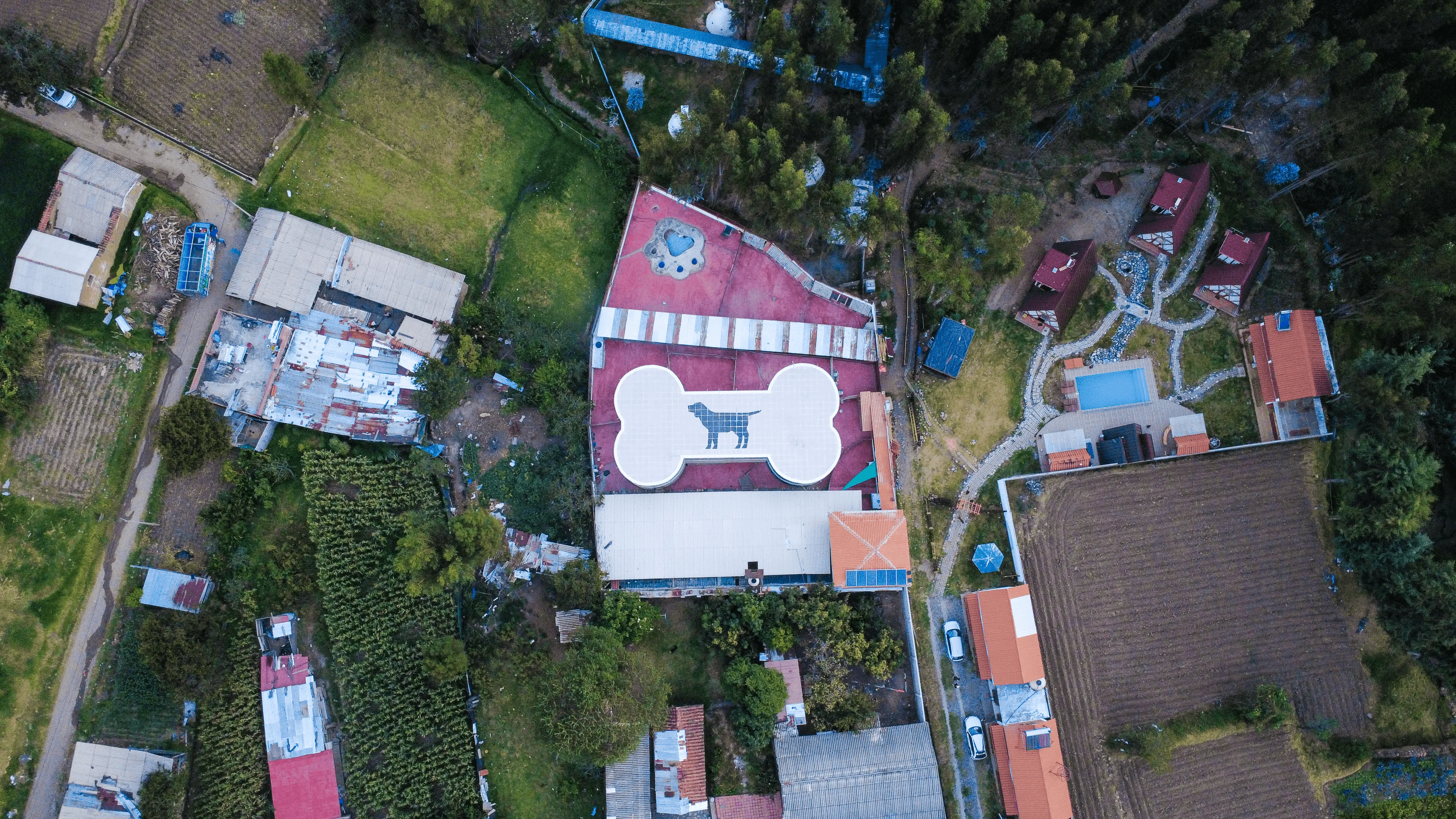
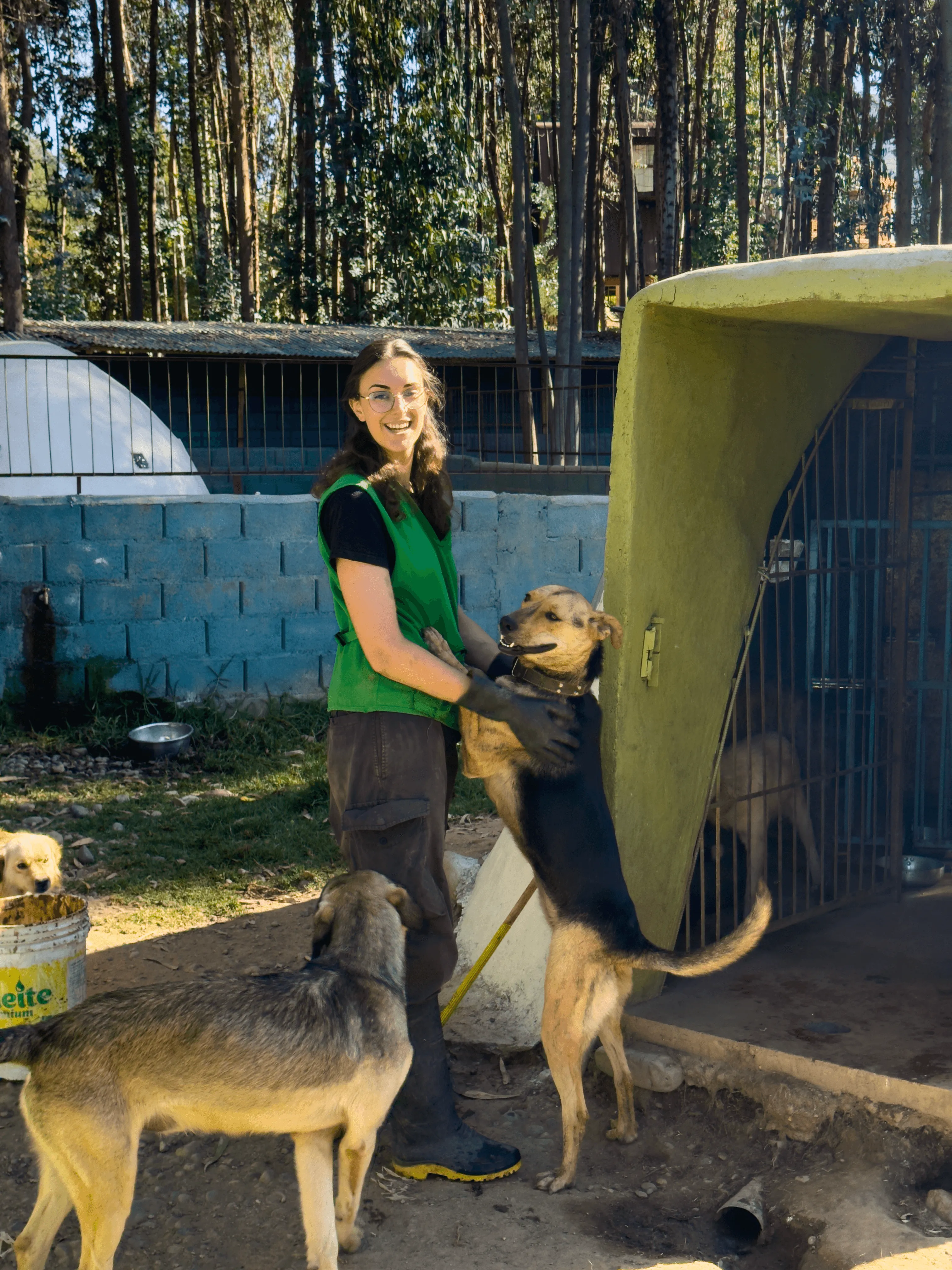
Casa Viva is a shelter nestled just a few minutes outside the small town of Carhuaz, in the Ancash region, right in the heart of the Cordillera Blanca. Founded by Jessica, a woman of incredibly strong character and boundless dedication, the shelter was home to 96 dogs when we visited. Some were rescued from the streets, others abandoned, and many saved from abusive homes.
The association runs almost entirely on volunteers and donations. Jessica manages everything with incredible energy, but resources are tight. The shelter is made up of several enclosures spread across a sloping hillside, offering breathtaking views of the snow-capped peaks of the Cordillera. It's a rustic, no-frills place, but the dogs are well-fed, cared for, and deeply loved. 📍 Google Maps
What makes Casa Viva so special is the direct connection between the volunteers and the animals. There are no middle-men or heavy administrative hoops to jump through. You show up, pull on your boots, and get straight to work. It is hands-on dog shelter volunteering at its most genuine and rewarding.
The journey: getting from Lima to Carhuaz by bus
To reach Carhuaz from Lima, we opted for the overnight busu2014a logical and budget-friendly choice when backpacking through South America. The journey takes about 8 heures and costs between 15 et 25 euros depending on the company and the type of seat (semi-cama or cama). We traveled with Movil Tours, which offers comfortable buses complete with blankets and reclining seats.
The bus usually leaves in the late afternoon or evening from the Lima terminal and arrives in Huaraz in the early hours of the morning. From there, you just need to hop on a colectivo (local minibus) to reach Carhuaz, which takes about 30 to 40 minutes and costs next to nothing (less than a euro). We highly recommend choosing local overland travel whenever you can: it's greener, cheaper, and lets you watch the landscape gradually shift from coastal dunes to Andean peaks. To prep for this kind of journey, our article on the best travel apps can be incredibly useful, especially for offline navigation.
Arriving in Carhuaz is breathtaking. The town is small, peaceful, and rimmed by majestic mountains. You instantly feel far away from the tourist hustle of Cusco or Lima. This is a more rural, authentic Peru, where the pace of life is beautifully set by nature.
Our typical day at the shelter: hands-on dog volunteering from sunrise to sunset
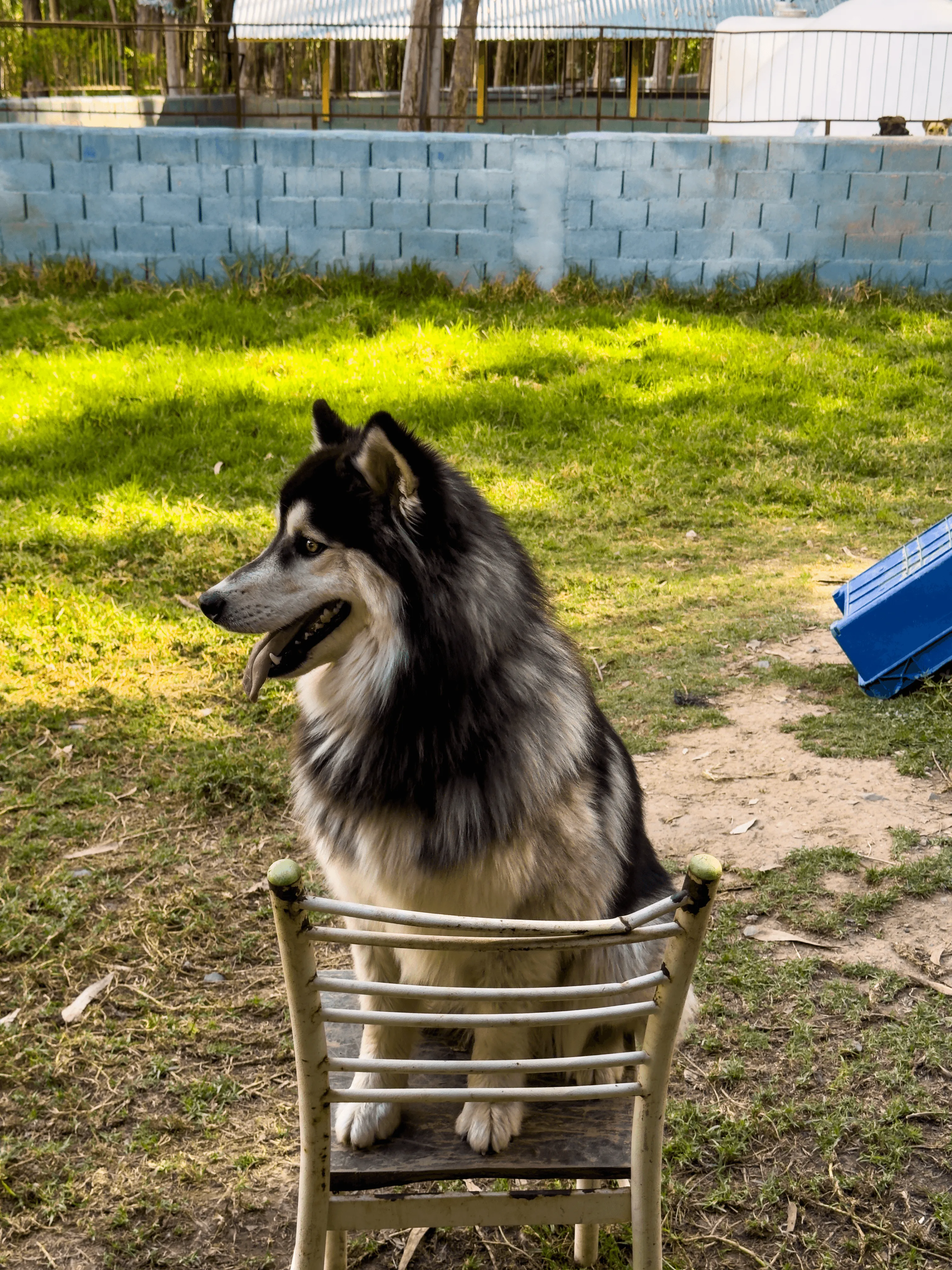
The alarm goes off early when you're volunteering at a dog shelter. Our day kicked off at 8h and wrapped up around 16h30, with about an hour's break for lunch. Here is a glimpse of what our daily routine looked like:
Morning: walks and socialization
The morning was definitely the most physical part. We had to clean the pens one by one: scooping waste, hosing down the floors, and making sure the bowls were clean and filled. With 96 dogs spread across several pens, it’s a massive job. Let's be honest: this is the least glamorous part of volunteering at an animal shelter. But it is absolutely essential for keeping things clean and healthy for the dogs.
We also handled basic care when needed: applying parasite treatments, checking on wounds, and letting Jessica know if any dogs seemed sick or needed vet attention. The shelter doesn't have a full-time vet on-site, which makes the volunteers' watchful eyes all the more important.
The afternoon: cleaning and care
Afternoons were dedicated to walks. Every day, we took the dogs out in groups of 4 to 6 for strolls along the dirt paths surrounding the shelter. This is a crucial time for the animals: many of them have lived on the streets or have been locked up, so these outings are essential for their socialization and mental well-being. Walking 96 dogs on a rotation basis means a serious amount of outings every day. Some dogs pull like crazy, while others are fearful and move forward cautiously. You have to adapt to each temperament and get to know them.
The scenery during the walks is absolutely breathtaking. You walk with the dogs along trails lined with fields, set against the backdrop of the snow-capped peaks of the Cordillera Blanca. These peaceful moments, watching the dogs happily romp around, are among our most cherished travel memories.
Around 4:30 PM, the workday would come to an end. We were often physically tired, but it was that deeply satisfying kind of exhaustion. We knew our presence made a real, concrete difference in the lives of these animals.
Budgeting: how much does it cost to volunteer at an animal shelter in Peru?
One of the great things about Carhuaz is that it's incredibly budget-friendly. Here is what we spent on average each day during our stay:
Accommodation: The refuge provided basic housing for volunteers (a bed and a cold shower). Free in exchange for work. Otherwise, you can find cozy family-run guesthouses in town for 5 to 10 euros a night.
Meals: Eating out in Carhuaz costs next to nothing. The "menus del día" (starter + main course + drink) go for 1,50 to 3 euros in small local spots. We found excellent burgers for 1 to 3 euros and fried chicken for 2,50 euros. The Carhuaz market is also a goldmine for picking up fresh fruit at rock-bottom prices. If you enjoy cooking on the road, our hostel-friendly recipes for under 5 euros might give you some inspiration for your rest days.

Local transport: Colectivos between Carhuaz and Huaraz cost less than one euro. For day trips (Lake 69, Pastoruri), expect to pay between 10 and 20 euros per person for group return transport.
Estimated total budget: between 8 and 15 euros per day all-inclusive, making Carhuaz one of the most budget-friendly destinations we've ever visited in South America. For comparison, our budget in Peru was around 20 to 30 euros per day in more touristy areas like Cusco, which we cover in detail in our Peru vs Chili comparison.
What to do around Carhuaz: hike to Laguna 69 and other unforgettable treks
Volunteering at Casa Viva doesn't mean being cooped up at the shelter seven days a week. Your days off (usually one or two a week) are the perfect chance to head out and explore, and the Carhuaz region is an absolute paradise for hiking.
The Lagune 69 Trek
The crown jewel of the area is, without a doubt, Lagune 69. This glacier lagoon boasts an almost surreal turquoise blue and is nestled at 4,600 meters above sea level at the foot of Nevado Chacraraju. The trek to get there is demanding but definitely doable: about 6 to 7 hours roundtrip, with an elevation gain of around 700 meters.
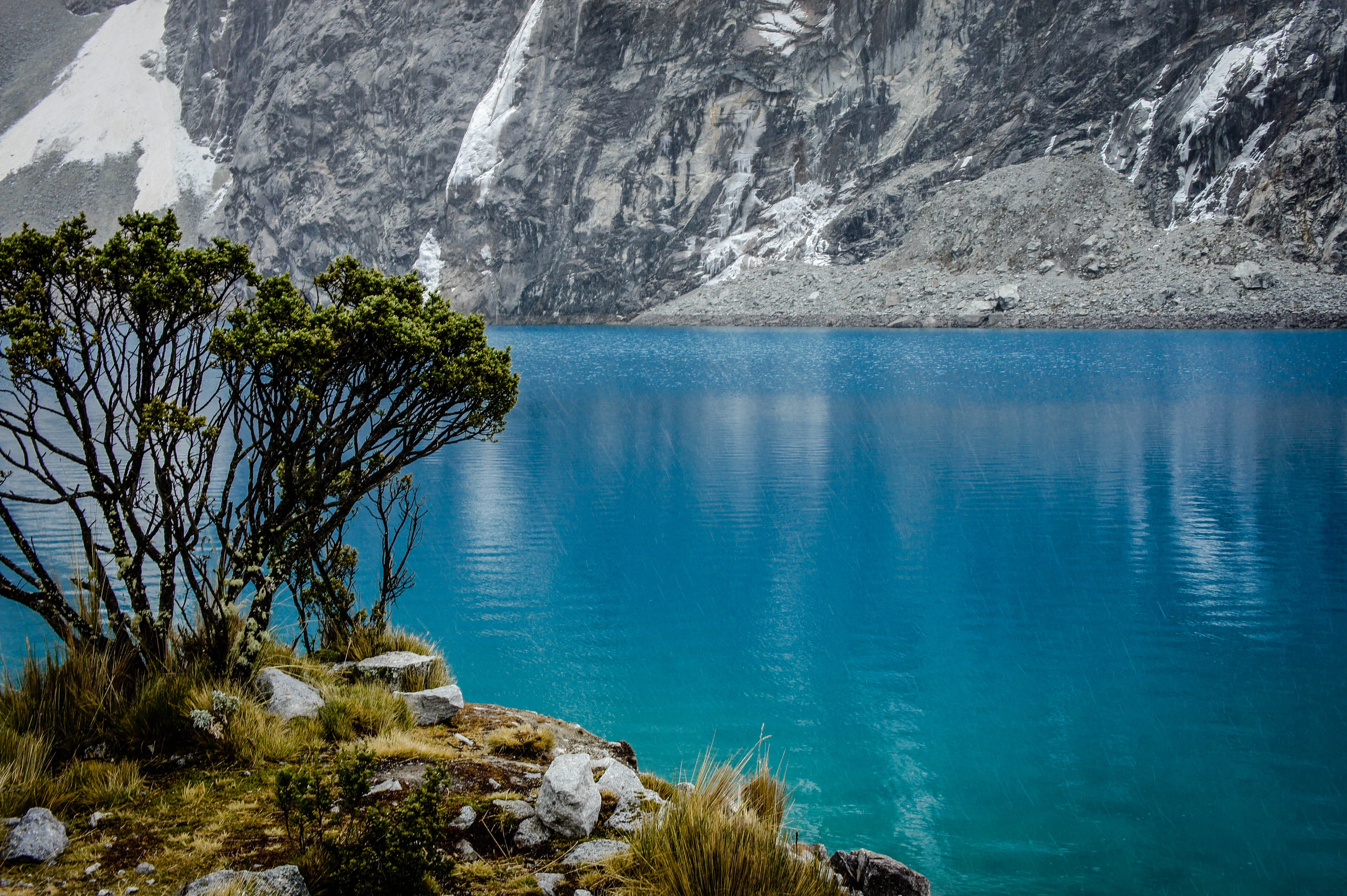
You'll head out very early in the morning (around 5:00 AM), with the trail taking you through a beautiful mix of high-altitude meadows, waterfalls, and smaller mountain lagoons before reaching the grand finale. The altitude can really take it out of you if you're not acclimatized yet, so make sure to take a few days to adjust before tackling the climb. If you love high-altitude trekking in Peru, our complete guide to the Salkantay Trek is definitely worth a read.
📍 Google Maps - Lagune 69
Other day trips from Carhuaz
The Cordillera Blanca is packed with dozens of hiking options. Some of the most popular are the Pastoruri Glacier (which you can visit even if you're not an experienced hiker), the Chancos hot springs (absolutely perfect for easing sore muscles after a long day of work at the refuge), and the stunning Llanganuco Valley with its two gorgeous high-altitude lagoons. Huaraz, the region's main hub, is just a 30-minute colectivo ride away and has great tourist facilities, including local agencies, restaurants, and supermarkets. 📍 Google Maps - Carhuaz
What we absolutely loved (and what drove us a bit crazy)
The highlights
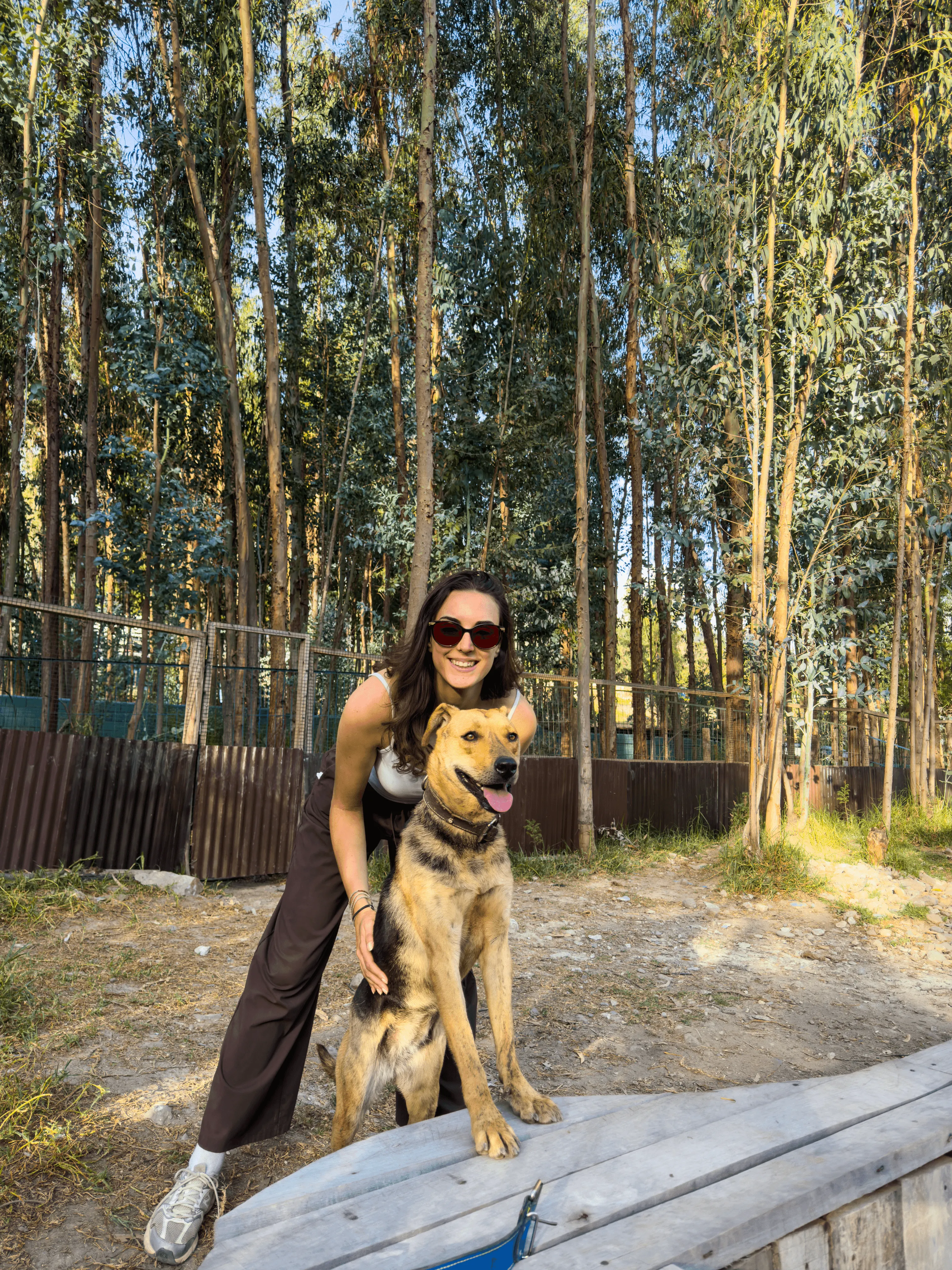
The bond you form with the dogs is easily the best part of this experience. Some of them, initially fearful or aggressive, ended up coming right up to us looking for cuddles. Seeing a traumatized animal learn to trust again is simply indescribable. You get attached quickly, sometimes a bit too much. Every dog has their own personality and story, and you really get to know them as individuals.
Our other favorite memory has to be the pizza nights organized every now and then with the volunteers. In this remote little corner of Peru, gathering around a homemade pizza with people from all over the world (Germany, Germany, Argentina, France) who are there for the exact same cause is an incredibly special social experience. These connections with fellow travelers are one of the greatest rewards of volunteering, and if this kind of human connection resonates with you, our article on how to meet locals while traveling dives right into that side of the journey.

Finally, the breathtaking beauty of the Cordillère Blanche landscapes adds an almost surreal feeling to your daily life. Waking up every morning facing the snow-capped peaks, breathing in the crisp mountain air, and living by the rhythm of the sun... it’s a grounding return to basics that our fast-paced European lifestyle rarely allows.
The frustrations
It wouldn't be fair to only share the highlights. Volunteering in an animal shelter, especially in a developing country, comes with its share of challenges. Comfort is absolutely minimal: basic accommodation, no heating (and nights at this altitude are freezing). You have to be ready to embrace a simple way of living.
Communication could sometimes be tricky. She manages a shelter of nearly 100 dogs entirely on her own with very limited resources, which naturally leads to stress and occasional tension. Instructions weren't always clear, and we often had to improvise or figure out what needed to be done on our own.
There is also the emotional side of shelter life: some dogs are sick, some won't make it, and you have to learn to cope with that feeling of helplessness. This isn't a zoo or a tourist attraction; it’s a place of survival for animals who have nowhere else to go.
Practical tips for volunteering with animals
If our story makes you want to take the leap into animal volunteer travel, here is our best advice after living through the adventure:
Choose your shelter wisely: Not all organizations are created equal. Read reviews from past volunteers on Workaway or Worldpackers. Make sure the shelter is a genuinely dedicated charity, not a commercial business disguised as a volunteer program.
Learn a few words of Spanish: Even though Jessica speaks English, your connections with the locals will be so much richer with some basic language skills. The people of Carhuaz are incredibly warm and curious, and a simple "buenos días" goes a long way.
Commit to at least two weeks: Any less than that, and you'll spend more time adjusting than actually being helpful. Plus, the dogs need time to get to know and trust you.
Manage your expectations: Volunteering at a shelter is no vacation. It’s hands-on work that requires patience, resilience, and adaptability. But the reward of contributing to a cause bigger than yourself is worth every single effort.
To make packing easier before you head out, take a look at our travel gear checklist, which covers all the essential equipment you'll need.
How to find wildlife volunteering gigs in South America
If our experience at Casa Viva inspires you, here are the main platforms to find animal volunteering opportunities while traveling:
Workaway: The platform we used. It offers thousands of volunteering opportunities worldwide, including in animal shelters. The annual subscription costs about 60 euros for a year, for a couple.
Worldpackers: Similar to Workaway, with a modern interface and plenty of verified reviews. It also offers opportunities in organic farms and eco-lodges.
Direct contact: Many shelters, like Casa Viva, have a Facebook or Instagram page. Don't hesitate to reach out to them directly; they are often much quicker to reply than on the platforms.
A good rule of thumb: if you are asked to pay for your room and board, it’s not volunteering.

Where to eat in Carhuaz: our favorite budget-friendly spots
Carhuaz isn’t exactly a culinary hotspot, but you can eat really well here for next to nothing. Here are the spots we tried, tested, and loved during our stay:
1. Tony's Burger Stand ⭐ recommended by the locals
Just a minute’s walk from the animal sanctuary, this is the perfect spot to grab some seriously tasty and affordable burgers. The buns are fresh, the meat is grilled right in front of you, and the portions are huge. It quickly became our go-to quick Wednesday dinner after a busy day at the sanctuary.
Accès : 1 à 3 € le burger 📍 Google Maps
2. Fried chicken spots (pollerías) ⭐ a local must-try
Fried chicken is a true institution in Peru, and Carhuaz is no exception. For about 2,50 euros, you get a crispy quarter of fried chicken served with fries and a salad. It's hearty, delicious, and the perfect way to refuel after cleaning out the animal enclosures.
Accès : environ 2,50 € 📍 Google Maps
Carhuaz's local market is also fantastic for picking up fresh fruit (think avocados, mangoes, and passion fruit) and regional products for dirt cheap. If you love exploring local street food while traveling, our guide to spécialités culinaires par région en France shows that every region has its culinary treasures, whether in Peru or France.
What will the weather be like for your trip?
Our take: an unforgettable volunteering experience
Our stay at Casa Viva will easily remain one of the highlights of our trip to South America. It wasn't always easy—the comforts were minimal and some days were physically demanding. But the sheer satisfaction of helping care for 96 dogs who have nobody else, of living to the rhythm of an Andean village far from the tourist crowds, and sharing this adventure with volunteers from all corners of the globe... All of this made it an experience we would recommend in a heartbeat.
If you are tempted to try animal volunteering during your travels, don't think twice. Shelters like Casa Viva desperately need extra hands, warm hearts, and time. Whatever you put in, these dogs will return to you a hundredfold. And you will leave with far more than just another stamp in your passport: you'll head home with memories that truly matter.