Responsible tourism: how to truly immerse yourself in the local culture while traveling
Discover how to turn every trip into a truly authentic cultural immersion. From local markets and countryside buses to spontaneous encounters, here is our best advice on how to travel with respect, tolerance, and curiosity.
Responsible tourism: how to truly immerse yourself in the local culture while traveling
Responsible tourism: tips for immersing yourself in the local culture and traveling with respect
There is a universal gesture that costs absolutely nothing and can open almost any door: smiling and saying hello. It sounds simple, maybe even a bit naive. And yet, it's one of the most powerful tools for any traveler looking to be more than just a tourist.
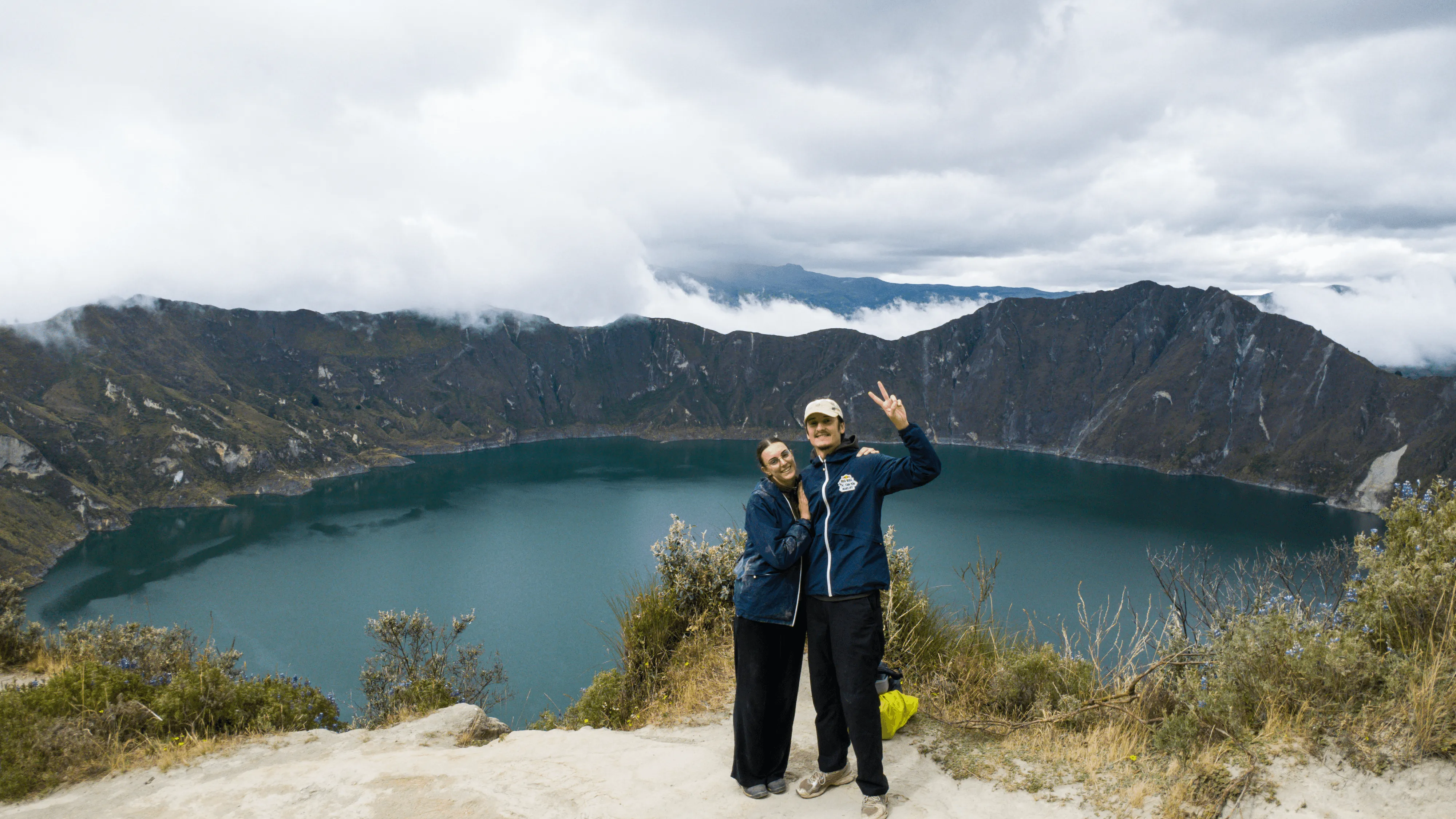
While walking the trails of the trek de la Quilotoa Loop en Équateur, we made a habit of greeting everyone we crossed paths with. A warm "buenos días" shared with the shepherds, a nod to the mothers carrying their children on their backs, a quick smile to the kids watching us from behind fences. At first, we just got surprised looks. But very quickly, those simple gestures turned into real conversations. An elderly man invited us to see his quinoa field. A family shared some maíz tostado with us by the side of the trail. A local guide chatted with us for half an hour about his village's history, simply because we had taken the time to say hello.
Why is this so important? Because in many cultures, the first contact sets the tone for the entire relationship. Whether in South America or Southeast Asia, greeting a local in their own language (even if you fumble through it a bit) is seen as a sign of respect. It means acknowledging the person in front of you, showing that you're not just passing through, and that you're visiting as a guest, not a consumer.
Plus, these spontaneous encounters are often the ones that leave the deepest mark on your trip. Years down the road, it's not the temples or the viewpoints you'll remember most, but that unexpected conversation—that moment of genuine human connection that no guidebook could ever plan. Indeed, the best travel stories rarely come from the most famous sights, but from the detours and the friendly faces you meet along the way.
Here is a rule of thumb we always live by: before arriving in a new country, make sure to learn at least "hello", "thank you", and "goodbye" in the local language. These three simple words completely change how people perceive you. Throughout our own travels, it's always been these first few words that broke the ice and opened doors.
Eating at local spots is your ultimate shortcut to the real deal.
If you only take one piece of advice to truly immerse yourself in a country's culture, make it this one: eat where the locals eat. Not in restaurants with menus posted in English, and not in places serving "international dishes," but in covered markets, tiny street stalls, and cozy comedores where a full plate costs between 2 and 4 euros.
During our time in Peru, we spent hours in the local markets and neighborhood eateries. In Cusco, we often found ourselves sharing a table with a local, and a conversation would spark up instantly. "¿De dónde son?" (Where are you guys from?), the universal icebreaker.

And one thing leading to another, we'd find ourselves chatting about family, travel, and traditions. A soup vendor would ask us what we were doing here.
Why do markets work so well as a gateway? Because food is a universal language. It tells the story of a region, its crops, its influences, and its celebrations. Sharing a meal with someone puts you on the same level, breaking down the barrier of the tourist-visiting and the local-showing.
At the same time, eating local is an act of responsible tourism. The money you spend in a market goes straight to the neighborhood's producers and artisans, not an international chain. It is a wonderful cycle: you enjoy an authentic experience while directly supporting the local economy. Plus, prices are often much lower than in touristy areas, making it a great option for backpackers watching their budget.
In this way, every meal you have in a market becomes a double opportunity: a chance to discover a living culinary heritage, and to forge a human connection that goes far beyond a simple transaction.
Getting around: Taking the bus
There are two ways to get around a country: the fast way (taxis, Ubers, rental cars) and the lively way. Taking the local buses definitely belongs to the second category.
In Ecuador, Peru, Vietnam, or Cambodia, we consistently chose to travel by local public transport. From crowded city buses to Andean colectivos, not to mention Guatemala’s chicken buses or Thailand’s songthaews. On every single trip, we noticed the same thing: these are the rides where you truly feel the heartbeat of a country and where you get the warmest welcome.
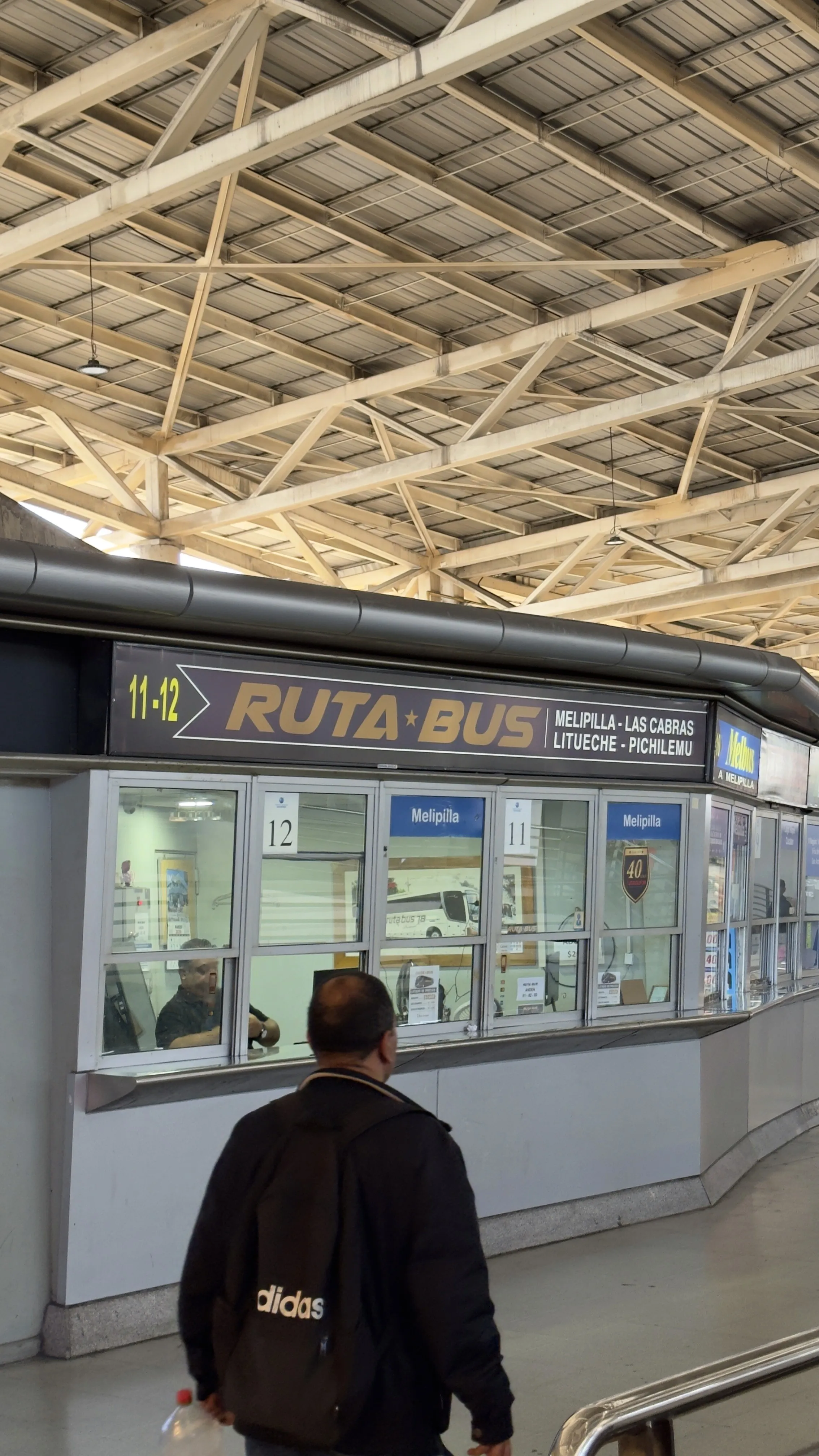
A local bus ride between Latacunga et Patate gave us more insight into Ecuadorian daily life than any museum ever could. The chatter between passengers, local tunes blasting from the speakers, and street vendors hopping on at every stop selling empanadas or fresh fruit juices—you are no longer just a spectator; you are part of the journey, if only road by road.
Beyond the cultural dive, choosing this option is also a great step toward eco-responsible travel. A bus carrying 40 people on the same route emits significantly less CO2 per passenger than a private car. By opting for overland transport (bus, train, ferry), you cut down your carbon footprint while making your trip so much richer. It is one of those rare moments where the most responsible choice is also the most rewarding.
Just a quick tip: apps like Maps.me or Google Maps now make navigating these local routes pretty reliable, even in spots where timetables are more of a suggestion than a rule. And if you are worried about comfort, most local bus rides rarely last more than 3 to 4 hours—just enough time to read a bit, people-watch, and go with the flow.
Ultimately, local transport is far more than just a way to get from A to B: it is a window into the everyday lives of the people you have come to meet.
Understanding local culture: religion, beliefs, and what to expect
This is perhaps the trickiest, yet most essential part of responsible travel: learning to welcome the unfamiliar without filtering it through our own biases.
Throughout our journeys, we've encountered beliefs, rituals, and ways of life that had nothing in common with what we knew. From offerings to Pachamama in the Andes to Buddhist ceremonies in Southeast Asia, from the Hindu temples of Bali to the mosques of the Middle East. Every single time, the same rule applied: observe, listen, ask questions respectfully, and never judge.
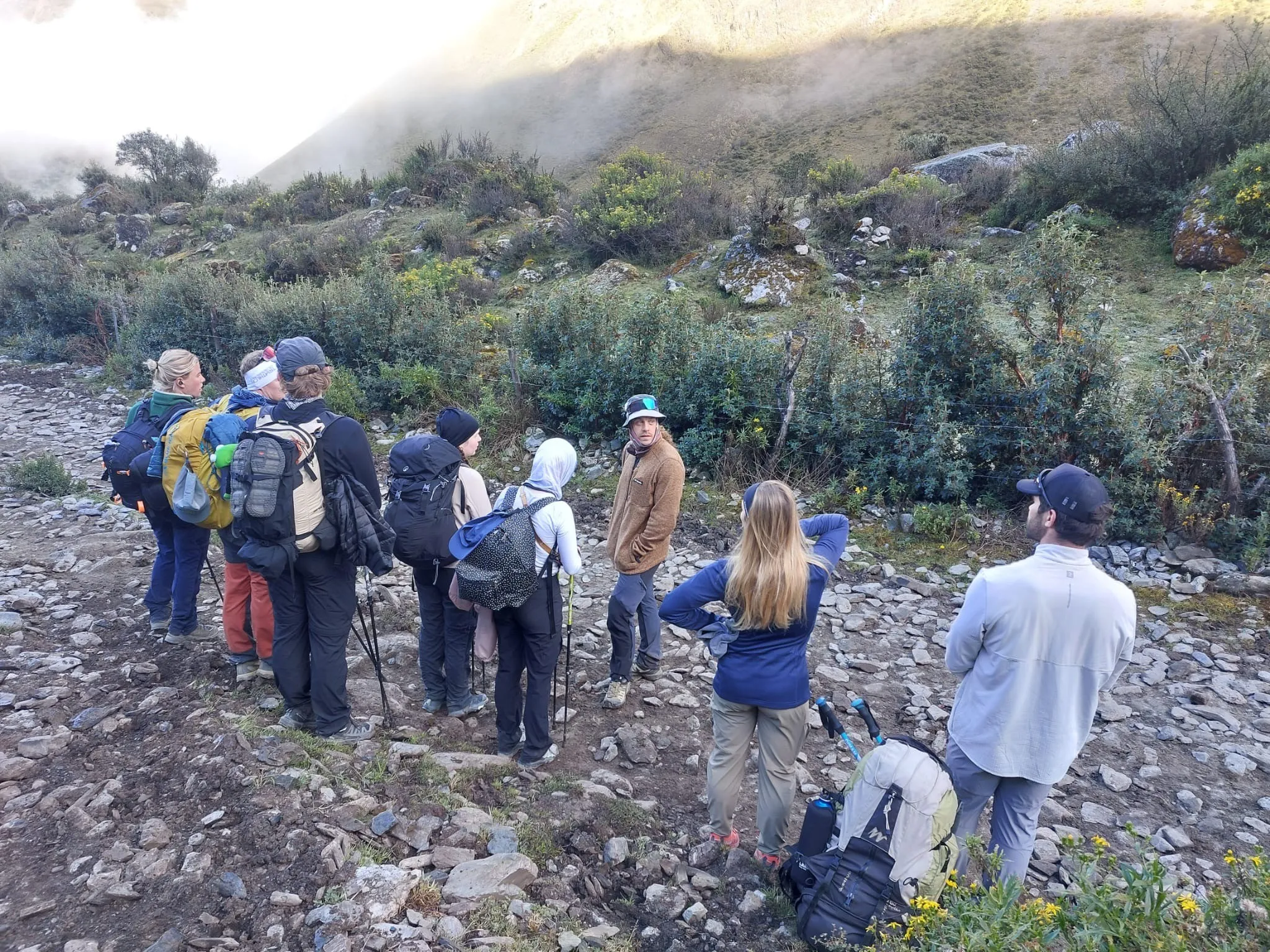
A real-world example often comes to mind. In Peru, in the Andean villages near Cusco and along the Salkantay Trek, we learned that you should never photograph the locals without their permission. This isn't just about common courtesy, but because some Quechua communities, especially the elders, believe that a photograph captures a piece of their soul. Taking a photo without consent isn't just seen as bad manners; it's felt as a spiritual intrusion. It can trigger anger, fear, or simply a deep sadness.
Why is it so important to understand these beliefs?
Because respect isn't measured by our own convictions, but by the standards of the people whose home we are visiting. You don't have to share a belief to respect it. You just need to recognize that it is real and deeply meaningful to the person holding it.
Fitting in with the local culture

One of the things we often forget is that we are the guests in the country we're visiting—so it's up to us to adapt our behavior and learn the local customs to show respect! Of course, we can't know everything, so if a misunderstanding does happen, the golden rule is simply to apologize and correct our mistake!
This mindset applies to every part of your trip: the dress code in places of worship (covering your shoulders and knees in a church, taking off your shoes in a temple, or wearing a headscarf in a mosque), dietary restrictions linked to religious practices, and holy days when certain activities might be restricted. Don't look at these as constraints; they are invitations to understand a world different from our own.
Ultimately, tolerance when traveling isn't just some abstract virtue. It's a real-world skill that you practice and refine with every single encounter, turning a simple trip into a genuine connection. The traveler who accepts that they won't understand everything, but chooses to stay open and curious, is the one who will head home with the richest memories.
Get ready, do your research, and learn the basics
You often hear that the best trips are the ones with no plans. That might be partly true for your itinerary, but definitely not when it comes to cultural prep. Taking the time to learn about a country's customs before your feet touch the ground completely transforms the quality of your experience.
This really clicked for us through the guided tours and free walking tours we took in every city we visited. In Cuenca, a local guide explained why Ecuadorians eat guinea pig on special occasions, and how to politely decline it without causing offense. During a walking tour in Cusco, a Peruvian guide shared the meaning behind Andean textiles, where every single pattern tells a family story. Every time, these insights helped us ask the right questions during our subsequent encounters, and most importantly, keep us from making awkward cultural missteps.
Plus, these tours fit any budget: free walking tours run on tips, and even paid tours rarely cost more than 10 to 15 euros per person. The return on investment in terms of cultural understanding is absolutely massive.
Beyond guided tours, a few simple habits can get you ready. Read an article on the country's recent history, watch a local documentary, or dive into a film or travel memoir to set the mood. Getting your packing list sorted is great for logistics, but the real preparation is, first and foremost, cultural.
It's worth noting that preparing like this isn't about achievement or "knowing everything before you go." It's simply a mark of respect for your host country. When a traveler arrives knowing even just the basics of local history and customs, it shows in every interaction. Locals immediately pick up on the difference between someone who genuinely cares about their culture and someone just using their country as a holiday backdrop.
Ultimately, every hour you spend preparing beforehand turns into dozens of deeper, more meaningful conversations once you're there.

How to be a responsible traveler, every single day
Responsible travel isn't just about good intentions; it's about real, daily actions. Here are the simple habits we've naturally woven into our own travels.
Choose local guesthouses over international chains. Family-run homestays, guesthouses, or experiences like Workaway and volunteering directly support the local economy while offering a truly immersive experience. Staying with a Peruvian family in the Sacred Valley or with an Ecuadorian farmer near Patate gave us perspectives that no standard hotel could ever match.
Cutting down on waste while traveling takes a bit of planning (a reusable water bottle, a tote bag, travel cutlery), but it quickly becomes second nature. Many of the places we've visited have limited waste management. Every single piece of plastic you avoid using is one less piece of trash in an already fragile environment. During our treks, like the Quilotoa Loop or the Mama Rumi trek, this was even more obvious: everything you pack in, you must pack out.
Choosing ethical activities is another cornerstone. Always steer clear of attractions that exploit animals (like elephant rides, tiger shows, or wildlife photo ops). Instead, go for hikes with local guides, craft workshops, visits to cooperatives, or experiences with communities who genuinely want to share their culture with you.
In the end, responsible travel isn't a restriction or a sacrifice. It's a way of traveling that enriches your journey while protecting what makes each destination so special. The actions are simple, but their impact is real.
What to skip (and why)
After months of traveling, certain habits become second nature. Not because they are forced upon us, but because we finally understand their true meaning.
Never take a photo of someone without their permission. As mentioned earlier, this rule is absolute, no matter where you are in the world. In Peru, it even carries a spiritual dimension. Value-wise, it is simply about respecting privacy. The best approach: ask first, show them the screen, and share a smile. More often than not, people are happy to say yes. And if they decline, respect their choice and move on without pushing.
Don't over-haggle. Bartering is part of the culture in many countries. However, there is a big differences between joining in on a friendly commercial ritual (which is expected and appreciated) and squeezing prices down just to save a few pennies. When an artisan sells a hand-woven bracelet for 3 euros, trying to bargain it down to 1 euro devalues her hard work. A good rule of thumb: if the price is already fair for your budget, just pay it.
Avoid comparisons. "Things are better organized back home," or "The roads are much better in France." Even when harmless, these remarks can sound quite dismissive. Every country has its own realities, history, and challenges. A traveler who constantly compares their destination to home misses the whole point of the journey.
Step out of the tourist bubble. Tourist hubs, pre-packaged excursions, and restaurants tailored for foreigners have their place. But if you never venture beyond them, you are only scratching the surface. Stepping out of your comfort zone, even for just a single meal or a local bus ride, is often all it takes to change your entire perspective on a trip.
Don't judge what you don't understand. Whether it is a ritual that seems strange, an unexpected local dish, or a pace of life that throws you off: ask questions before jumping to conclusions. Approaching the world with warm curiosity is the best antidote to misunderstanding.