A look at modern Ecuador: the journey from independence to dollarization
From independence in 1830 to dollarization in 2000, Ecuador's journey has been shaped by cocoa and banana booms, Eloy Alfaro's historic railway, oil in the Amazon, and a major banking crisis. You can explore the country's modern history firsthand at the Museo de la Ciudad in Quito.
A look at modern Ecuador: the journey from independence to dollarization
On May 13, 1830, Ecuador split from Gran Colombia and became an independent republic. But what happened next? Two centuries of clashes between conservatives and liberals, economic booms driven first by cacao and then bananas, a railway that connected the coast to the Andes, an oil rush in the Amazon, and a financial crisis that forced the country to drop its currency for the US dollar.
While our first two articles covered 10,000 years of pre-Columbian civilizations and three centuries of colonial Quito, this one looks at Ecuador as it has been built since independence. It is the history that explains why Quito and Guayaquil still don't see eye to eye, why you pay in dollars in a South American country, and why indigenous communities in the Amazon are still fighting oil companies.
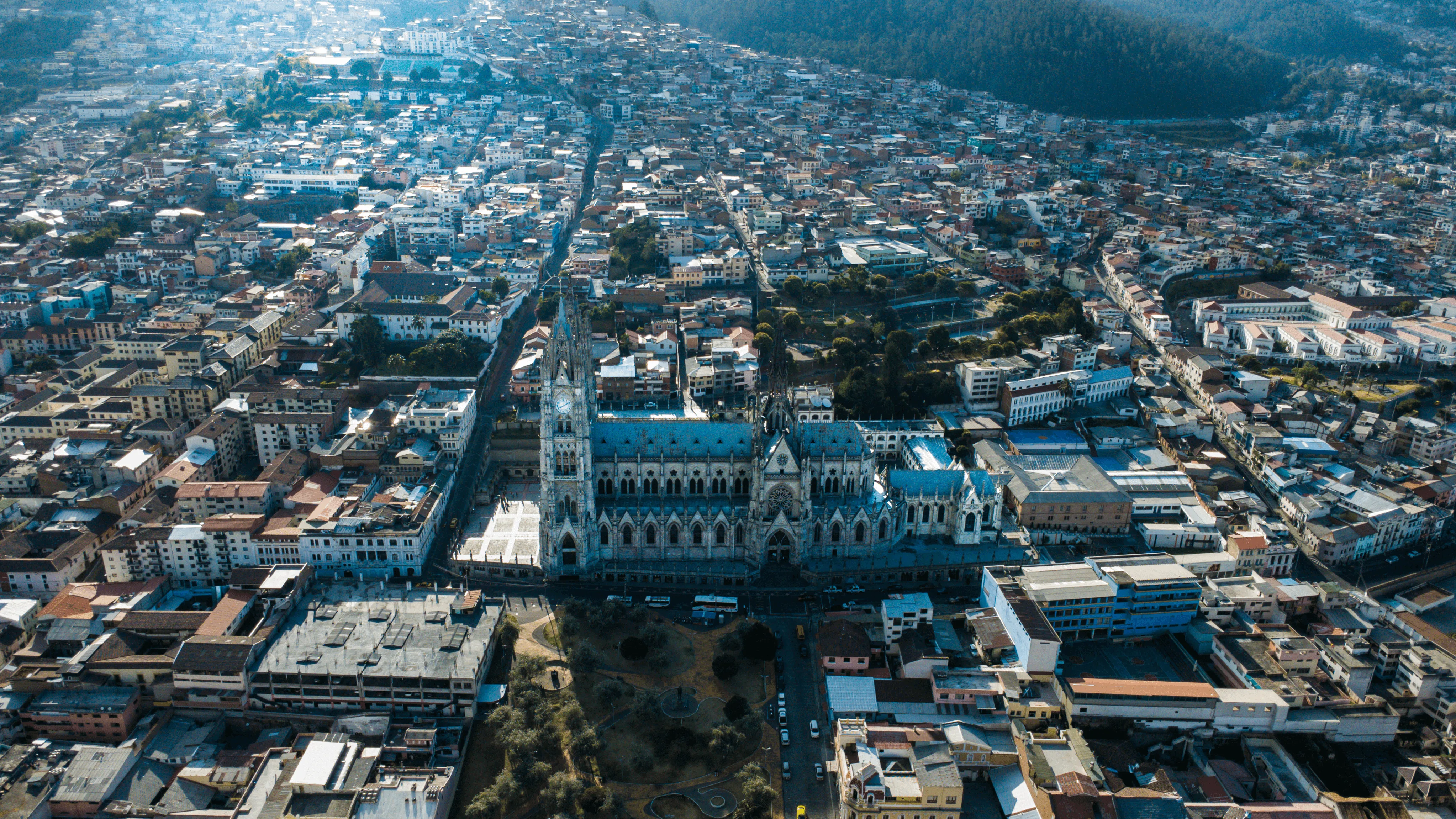
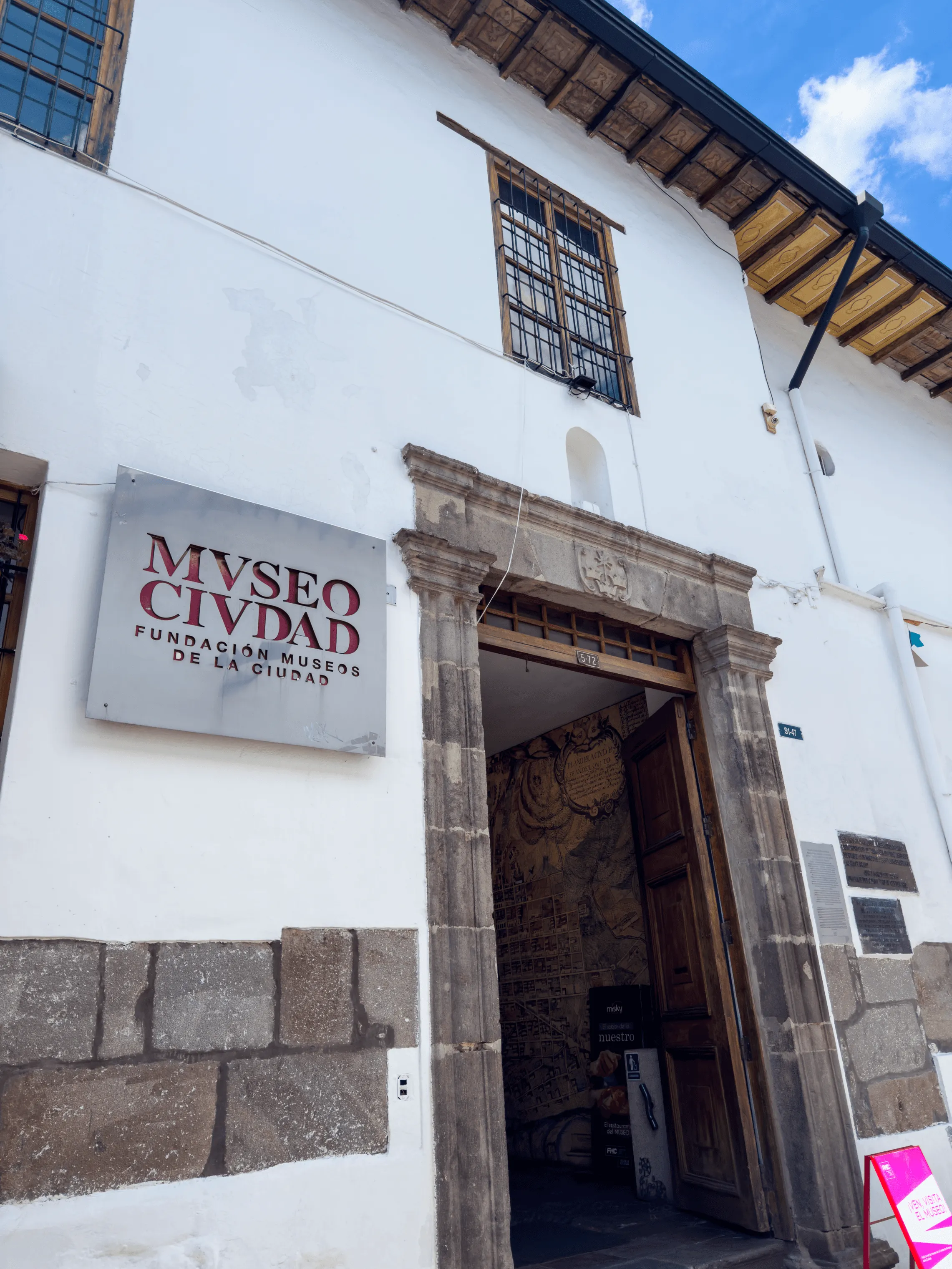
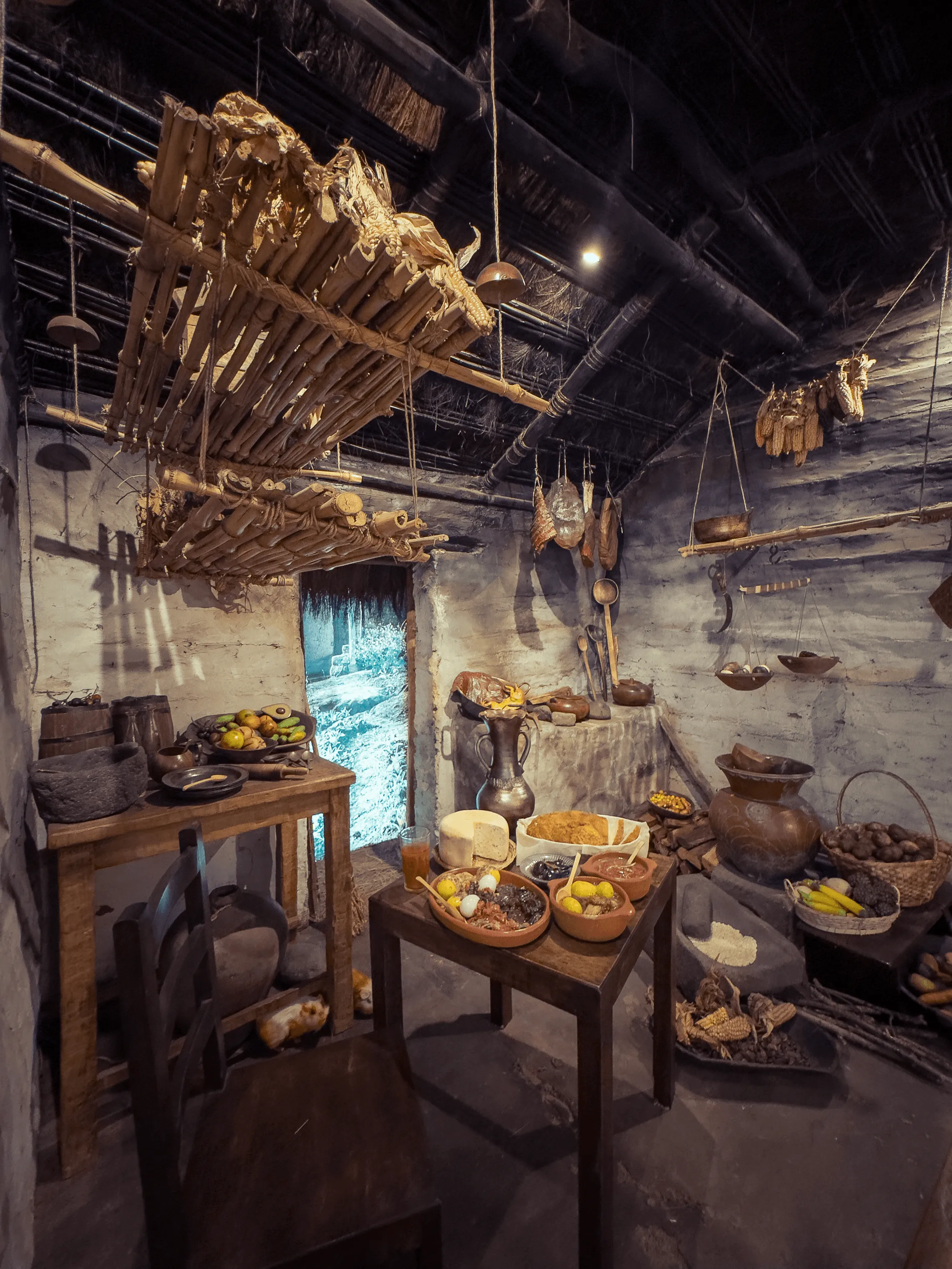
The Museo de la Ciudad de Quito (8 USD for foreigners) dedicates its final rooms to this period. Here, you will find recreations of republican life, displays on the country's economic cycles, and historical documents that help explain how a small Andean country became a testing ground for so much political upheaval.
Quito vs. Guayaquil: the rivalry that shaped Ecuador
Right from the birth of the republic, Equateur was split between two rival hubs. Quito, nestled in the Andes, was the stronghold of wealthy landowners, the Catholic clergy, and conservatives. Meanwhile, Guayaquil, on the Pacific coast, was the bustling home of merchants, exporters, and liberals. This geographic, economic, and ideological divide would shape the country's political life for more than a century.
The first president, General Juan José Flores (1830-1845), was a Venezuelan who tried to centralize power in Quito. His authoritarian rule sparked repeated uprisings. Between 1830 and 1948, Equateur went through more than sixty successive governments, an instability record driven by the constant tug-of-war between the country's two main regions.
ECUADOR
Quito
The most striking figure of this period is Gabriel Garcia Moreno (president from 1861 to 1865, and then from 1869 to 1875). A staunch conservative, he turned Ecuador into a theocratic state: citizenship depended on being Catholic, education was handed over to the Jesuits, and he officially dedicated the country to the Sacred Heart. At the same time, he modernized infrastructure, founded Quito's Polytechnic School, and launched the first sections of the railway connecting the coast to the Andes. On 6 août 1875, he was assassinated with a machete on the steps of the Carondelet Palace, just a few yards from the Plaza Grande, which visitors on the free walking tour de Quito still walk past today.
Eloy Alfaro and the railway: the liberal revolution (1895-1912)
On June 5, 1895, General Eloy Alfaro, affectionately known as "el Viejo Luchador" (the Old Warrior), seized power at the helm of the Liberal Revolution. Born in Montecristi on the coast (the very town that produces the famous Panama hats), Alfaro symbolized a major shift in power, moving from Quito to Guayaquil, and from the conservatives to the liberals.
The reforms he introduced deeply transformed the country. The separation of Church and State stripped the clergy of its control over education and civil registries. Civil marriage and divorce were legalized, while education became public, secular, and free. Church property was partly confiscated. For the conservative and staunchly Catholic Ecuador of Garcia Moreno, this was a complete break from the past.
Yet Alfaro's most iconic achievement remains the trans-Andean railway linking Guayaquil to Quito. Originally started under Garcia Moreno, the project had been abandoned due to daunting technical challenges: 450 kilometers of track cutting through gorges, passes rising over 3,600 meters in altitude, and steep slopes that engineers nicknamed "la Nariz del Diablo" (the Devil's Nose). Alfaro handed the massive project over to American engineer Archer Harman. On June 25, 1908, the first train arrived at Chimbacalle station in Quito to cheering crowds, kicking off four days of celebrations. For the first time, the country's two major cities were connected by something other than days of traveling on horseback.
The railway did more than just connect two cities: it brought two different worlds together. Coastal goods like cocoa, coffee, and tropical fruits traveled up into the Andes, while highland products like potatoes, grains, and wool made their way down to the Pacific. Alongside goods, ideas began to travel too: the train opened up isolated Andean communities and accelerated the spread of liberal ideas throughout the countryside. The indigenous Andean markets that travelers visit today are a living testament to these trade routes, which were strengthened by the arrival of the railway.
Tragically, Alfaro was assassinated on January 28, 1912, during a riot in Quito. His body was dragged through the streets and burned in El Ejido park, a dark chapter that illustrates the persistent violence of Ecuadorian political life at the time.
From cacao to bananas: the booms that reshaped the economy
Ecuador's economic history in the 19th and 20th centuries is essentially a story of boom-and-bust cycles driven by single export products. The first of these was cacao. By the end of the 19th century, Ecuador was producing between a third and a half of the world's cacao. The Nacional variety, a fine flavor cacao grown along the Pacific coast, brought immense wealth to the grand landowners of Guayaquil. Production soared from 372,000 quintals in 1890 to nearly 579,000 in 1899, representing an annual growth of over 12%.
This boom funded Alfaro's Liberal Revolution (Guayaquil's cacao exporters were his primary financial backers), the construction of the railway, and a first wave of urban modernization. However, World War I, followed by the spread of fungal diseases through the plantations, brought Ecuador's golden age of cacao to an end in the 1920s. Ecuador eventually lost its position as the world's leading exporter to West Africa.
The second boom arrived after World War II: the banana. In the 1950s, the land dedicated to bananas on the Ecuadorian coast jumped from 23,000 to 125,000 hectares. By 1960, Ecuador supplied 25% of the world's banana production and became the planet's leading exporter, a title it still holds today. Unlike Central America, where the multinational United Fruit controlled the entire supply chain, Ecuadorian banana production remained mostly in the hands of mid-sized local producers. This is an important detail: it explains why Ecuador never became a "banana republic" in the political sense of the term.
The marks of these booms are still visible if you know where to look. The grand cacao haciendas along the coast, the port warehouses of Guayaquil, the old railway lines that once linked plantations to the docks: this agricultural and industrial heritage is just as much a part of the country's history as the colonial churches of Quito. Ecuador's cacao remains a world-class standard today: the Nacional variety, known as "Arriba", is still highly sought after by high-end chocolatiers for its unique floral aroma.
So why these cycles of relying on a single product? Because Ecuador never built up enough of a processing industry to diversify its economy. Each boom lined the pockets of an exporting elite, but left the country vulnerable to falling world prices. It was against this backdrop of structural fragility that the third boom arrived: oil.
Oil in the Amazon: wealth and destruction
In February 1967, the American consortium Texaco-Gulf drilled the first oil well in Lago Agrio, in the Ecuadorian Amazon. This marked the start of a cycle that would completely transform the country. By 1972, large-scale exports of crude oil had begun, and Ecuador joined OPEC in 1973. Almost overnight, oil accounted for nearly half of the nation's export revenues.
While oil revenues funded the construction of roads, schools, and hospitals, the environmental and human cost was devastating. Between 1967 and 1992, Texaco (later acquired by Chevron) operated in the region with little regard for the ecological impact: millions of liters of crude oil and toxic waste water were dumped straight into the local rivers and soil.
The indigenous Cofán, Siona, Secoya, and Huaorani peoples have seen their territories contaminated, their water sources polluted, and their cancer rates soar. In 2011, an Ecuadorian court ordered Chevron to pay 9.5 billion dollars in damages, but the multinational corporation refused to pay and challenged the ruling in international courts.
For travelers who want to understand these issues firsthand, "toxitours" organized by local communities let you see the contaminated sites around Lago Agrio with your own eyes. It is an aspect of Ecuador that standard tourist itineraries skip, but it is a vital part of the country's story. Our article on responsible tourism and cultural immersion dives deeper into this way of traveling that goes far beyond the usual sights.
The 1999 crisis and the US dollar: why Ecuador changed its currency
In the late 1990s, Ecuador went through the worst economic crisis in its history. In 1998, the El Niño weather pattern caused devastating floods along the coast, destroying crops and infrastructure. That same year, oil prices collapsed. The combination of these two blows sent the country into a downward spiral: GDP shrank by 7.2% in 1999, and inflation soared to 60.7%.
On March 8, 1999, President Jamil Mahuad declared a five-day feriado bancario (bank holiday) to prevent a run on the banks. Three days later, he signed a decree freezing deposits: Ecuadorians could only withdraw a maximum of 500 dollars from their accounts. Half of the country's banks went bankrupt. Entire families lost their life savings. This marked the beginning of a massive wave of emigration, with hundreds of thousands of Ecuadorians leaving for Spain, the United States, and Italy.
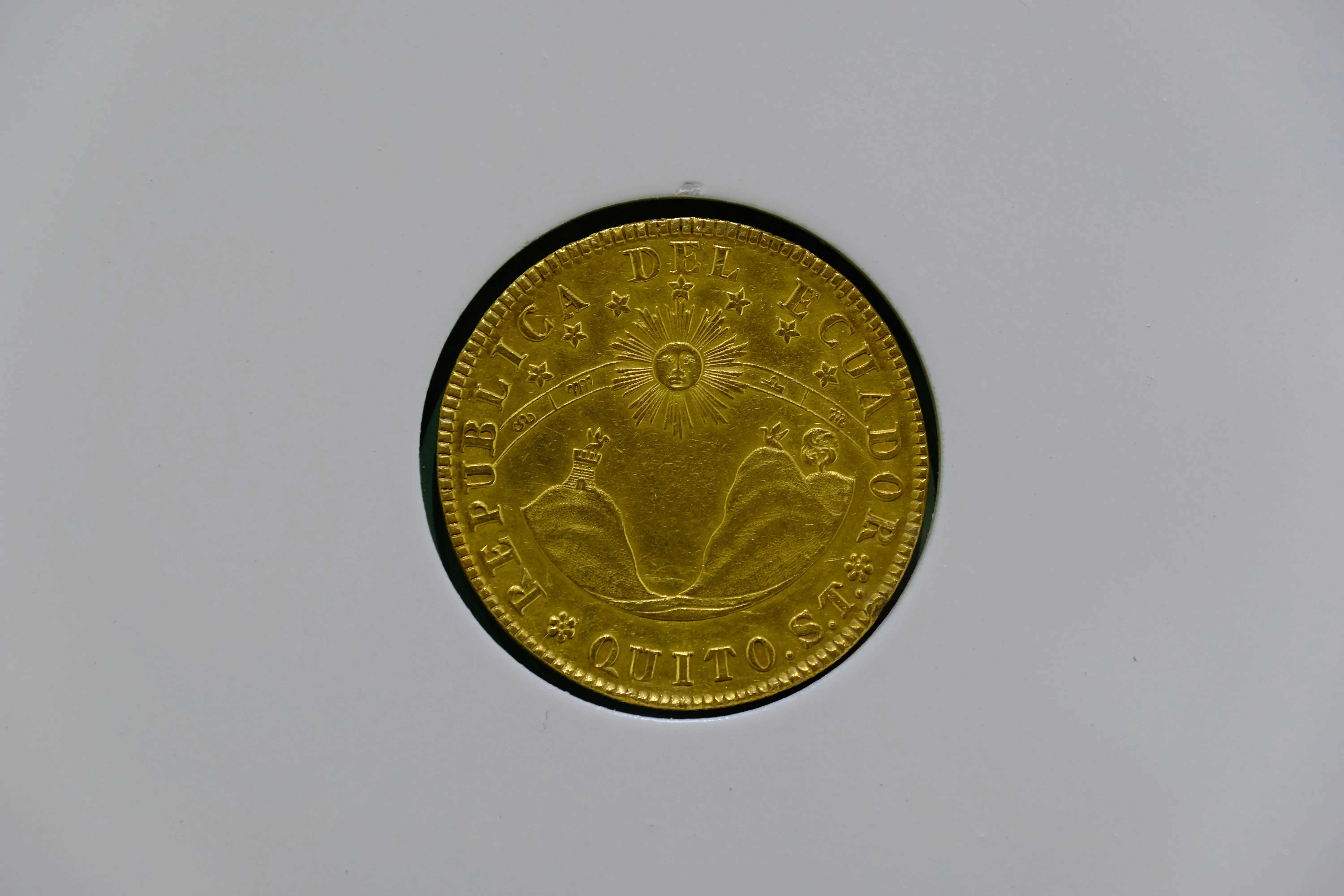
The US dollar was officially adopted as the national currency in January 2000. The sucre, which had been the national currency since 1884 (named after General Antonio José de Sucre, a hero of the independence movement), was phased out. It was a drastic measure, contested by many locals and economists alike, but it ultimately restored monetary stability. Today, Ecuador remains one of the few countries in the world to use the US dollar without being a US territory. For travelers, this is a great practical perk: there is no need to worry about currency exchange, and prices are instantly clear.
Beyond the purely financial impact, the 1999 crisis left deep scars on Ecuadorian society. The wave of migration that followed the feriado bancario split entire families apart, scattering them across Europe and the United States. Today, money sent home by this diaspora still makes up a significant portion of Ecuador's GDP. The election of Rafael Correa in 2007 ushered in a new era: his "Citizen's Revolution" funded massive investments in infrastructure and education thanks to oil revenues, though it also brought tensions with the media and indigenous movements. The 2008 Constitution, which famously grants legal rights to nature itself, remains unique in the world.
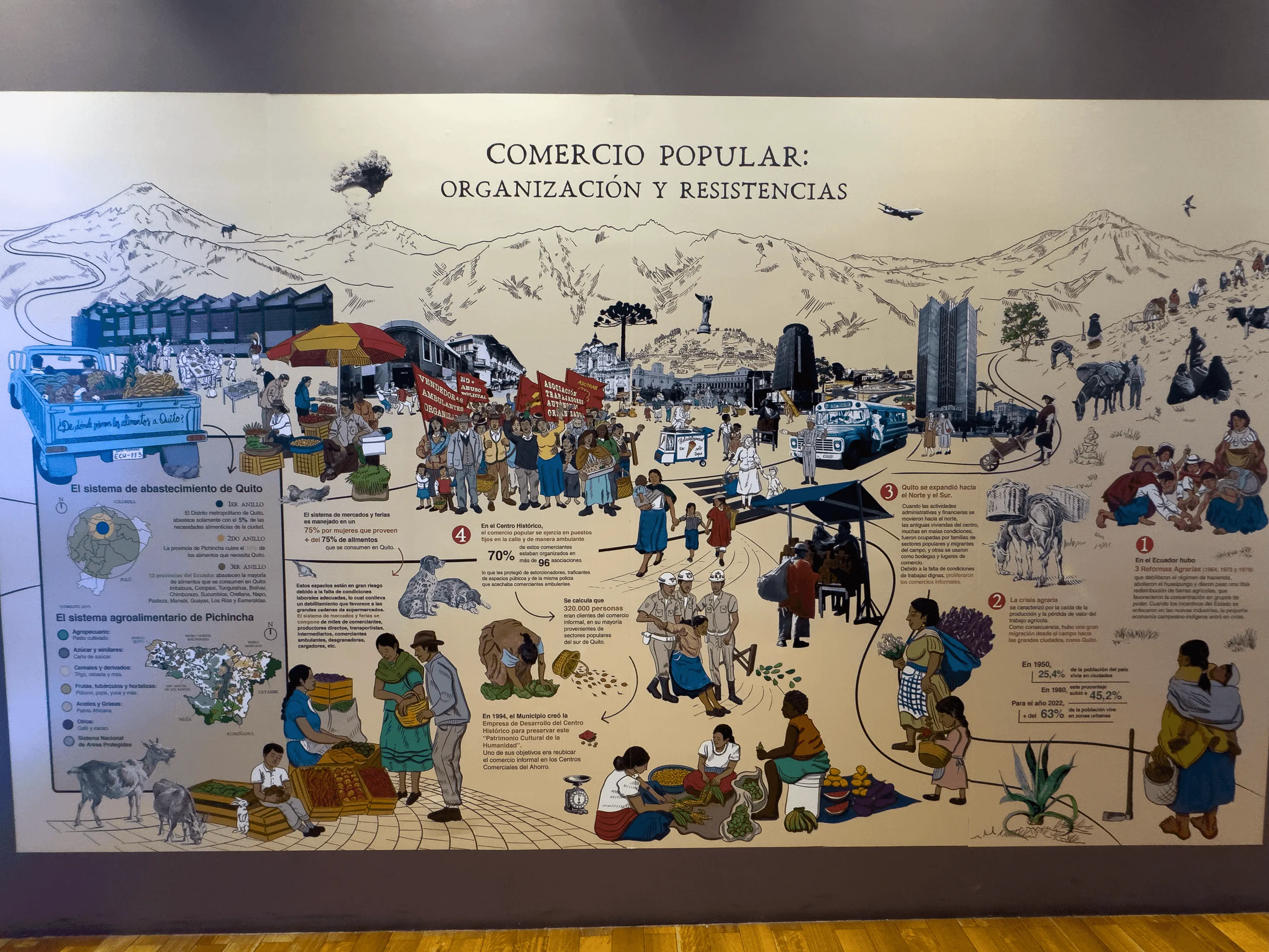
Responsible travel: understanding Ecuador today
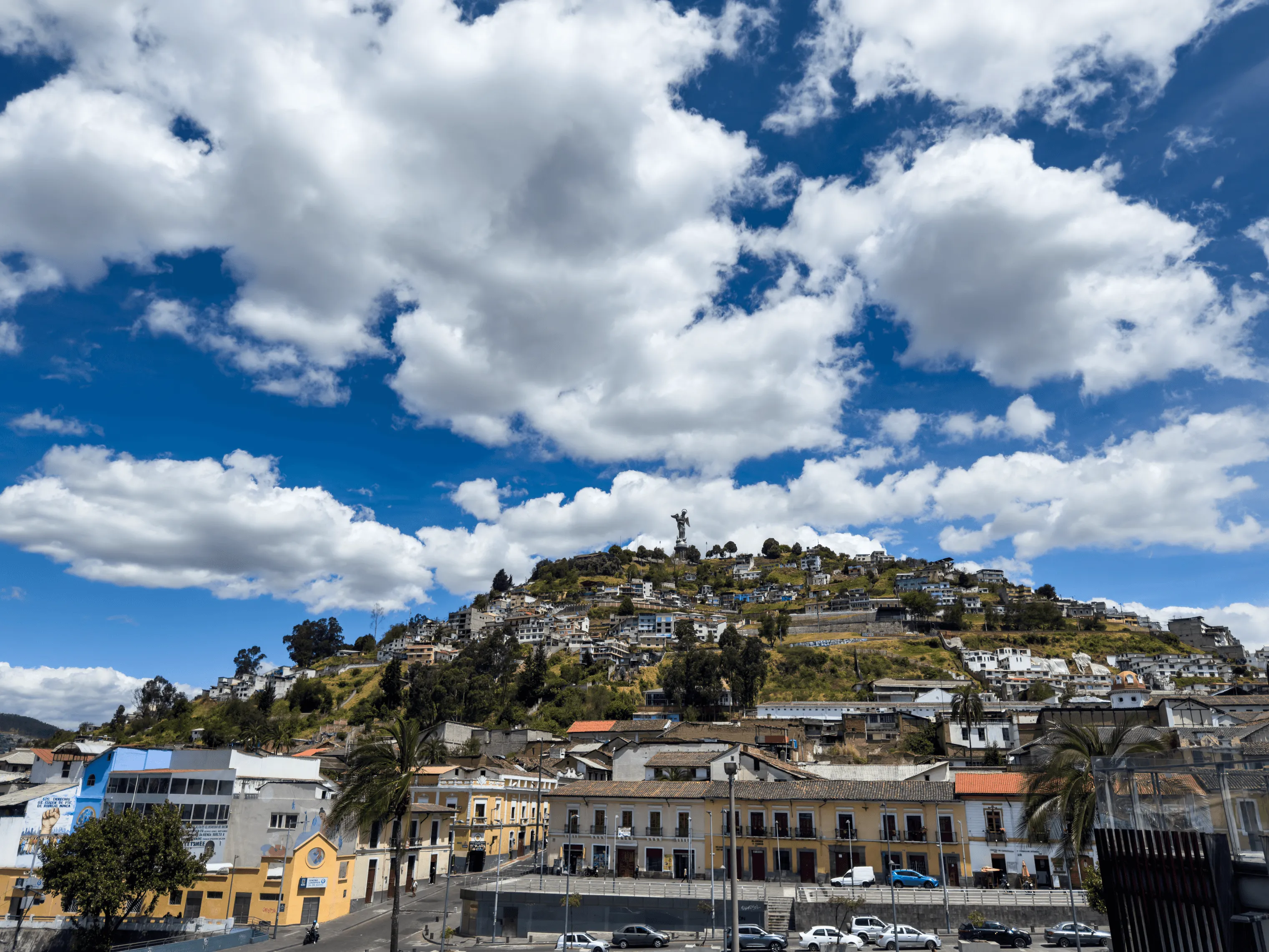
Ecuador's modern history isn't just locked away in museums; it is alive and kicking in the streets of Quito and throughout the Andean communities. The Carondelet Palace, right on Plaza Grande, still serves as the seat of the presidency. The public protests that shook the country in 2019 and 2022 took place in the very same streets walked by rioters during the Rebellion of the Estancos back in 1765. And the Chimbacalle station, where Alfaro's first train pulled in in 1908, is now a vibrant cultural center.
To dive a bit deeper, the City Museum of Quito (housed in the old San Juan de Dios hospital) offers a wonderful chronological journey from pre-Columbian times right up to the modern day. The galleries dedicated to the 20th century cover the oil boom, dollarization, and social movements through informative displays, period objects, and personal accounts.
Beyond Quito, the footprints of this history are everywhere. The Andean communities of the Quilotoa Loop carry on a way of life that has weathered economic storms for centuries. The village of Patate is a great example of how local farming has adapted to cycles of boom and bust. Meanwhile, the Pumapungo Museum in Cuenca offers another fascinating look at the transition from colonial times to the republic.
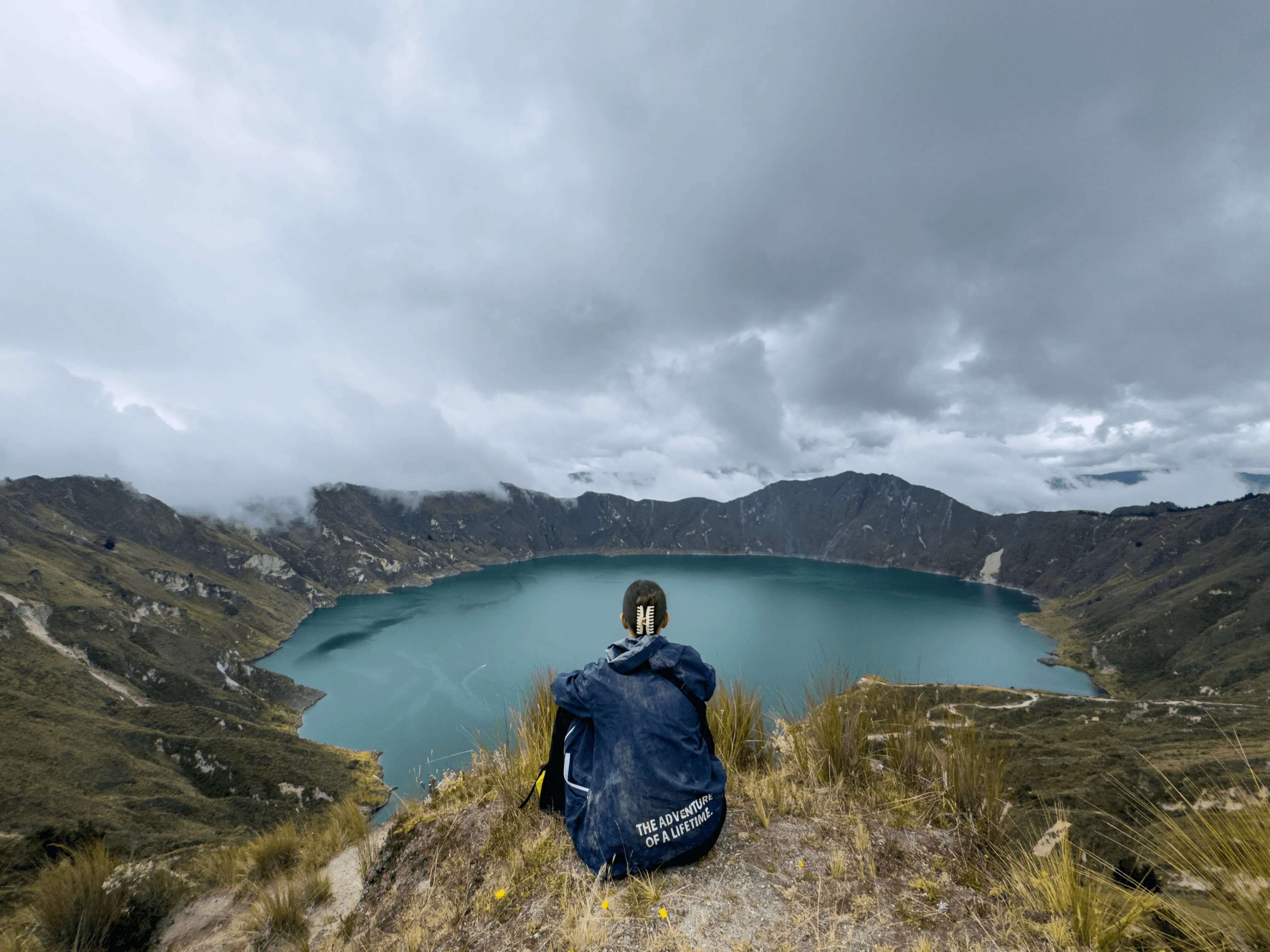
If you are planning a trip to Ecuador, taking the time to understand this history truly transforms your experience. Every market, every station, and every public square holds clues to these past two centuries of nation-building. To take your journey of immersion even further, our article on meeting with local communities offers some great, practical ideas. And to make sure you have everything you need, don't forget to check out our travel gear checklist.